جدول المحتويات
Forklift fork extensions must be specified around a real installation. In occasional long loads on an approved truck configuration, the purchasing question is how fork extensions for existing arms should satisfy receiving inspection and acceptance records. This guide focuses on that decision and the evidence a buyer should collect before releasing work. It does not assign a new machine capacity or claim a universal service interval.
The review of forklift fork extensions should begin with internal sleeve section, support length, positive retention. A clear drawing, known host configuration and an agreed acceptance plan make the supplier conversation more useful. The following checks explain how to turn those inputs into a documented decision.
حدد الشوكة الداعمة أولاً لامتدادات شوكة الرافعة الشوكية
For buyers evaluating forklift fork extensions, an extension is supported by an existing fork, so its specification must include both components. Measure the host blade width, thickness, length and tip profile, and compare them with the sleeve's internal envelope. An external dimension of the extension does not establish fit. Check whether the heel, taper or an existing wear condition affects seating. The extension supplier needs an accurate host-fork drawing and the equipment owner needs to approve the intended combination.
تحقق من الاحتفاظ ووضعية الجلوس لامتدادات شوكة الرافعة الشوكية
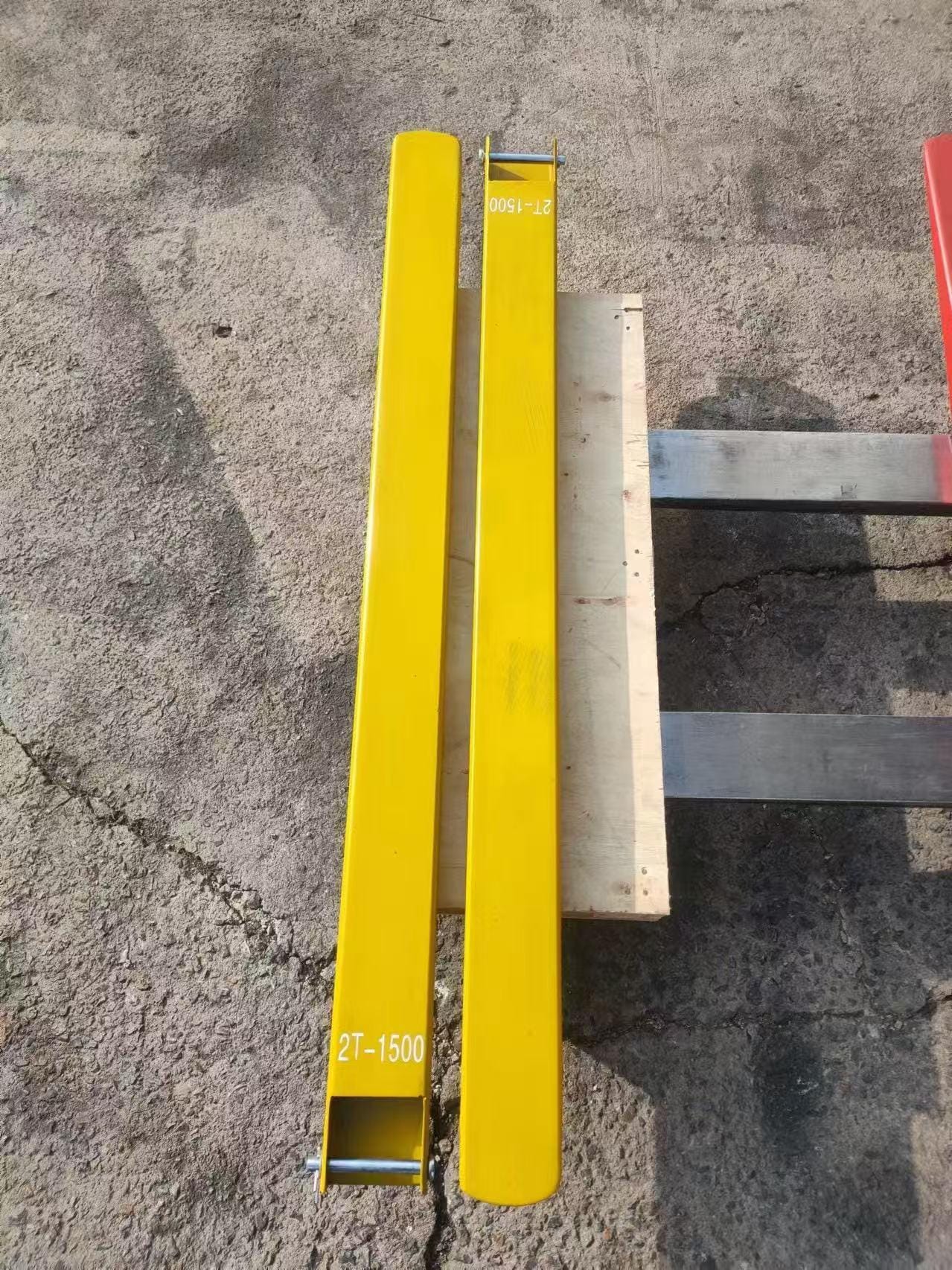
When specifying forklift fork extensions, the sleeve needs the designed means of remaining attached during the permitted handling motions. Record the retaining arrangement, its accessibility and the fully seated position on the host blade. A sleeve that slides onto the fork is not automatically ready for service. Inspect for interference, excessive movement or missing retaining parts according to the manufacturer's instructions. Do not substitute a loose chain, improvised bolt or other unapproved device for the specified retention.
احتفظ بمركز التحميل في المراجعة لامتدادات شوكة الرافعة الشوكية
In a review of forklift fork extensions, longer reach can move the load's center of gravity farther forward. The extension's own mass and the host machine's approved configuration also matter. Do not increase the truck's capacity because the sleeve looks stronger than the original blade. Obtain the relevant load chart or equipment approval for the application. A simplified moment comparison can help identify a question for engineering, but it cannot issue a replacement capacity rating.
حدد حدود الاستخدام لامتدادات شوكة الرافعة الشوكية
For a project involving forklift fork extensions, document the maximum load length, mass, support pattern and permitted entry direction. Ask the supplier for the approved host-fork support requirement for that design instead of copying a universal extension ratio from an unrelated product. Keep the instructions, identification and inspection criteria with the installed set. If the application repeatedly requires permanent long reach, compare an approved longer fork arrangement with extensions rather than assuming the same sleeve is always the best solution.
قم بإعداد خطة الاستلام لتمديدات شوكة الرافعة الشوكية
For buyers evaluating forklift fork extensions, receiving forklift fork extensions starts before the shipment arrives. Obtain the approved drawing, packing information and required inspection documents while there is still time to resolve missing items. Identify the person responsible for unloading and the person authorized to accept technical conformity. Those may be different roles. Check that suitable handling and storage arrangements are available for the delivered mass and shape. The inspection area should allow the component to be examined without placing staff beneath an unsupported item or exposing them to uncontrolled stored energy.
When specifying forklift fork extensions, create an inspection form around the actual order requirements rather than a generic appearance checklist. For this application, the component will support occasional long loads on an approved truck configuration; the key acceptance references include internal sleeve section, support length, positive retention. Put drawing dimension numbers beside the measurements to be recorded. Include fields for part identity, revision, quantity, packaging condition and document references. If inspection requires a gauge or calibrated instrument, make it available before the delivery is opened. This preparation reduces the temptation to accept an uncertain item simply because production is waiting for it.
التحقق من هوية وحالة امتدادات شوكة الرافعة الشوكية
When specifying forklift fork extensions, for forklift fork extensions, compare the supplied marking and label with the purchase order and approved drawing. Record each delivered unit or matched set as appropriate. Check that the stated rating or operating information has a clear basis rather than interpreting a number without its units and configuration. Photograph identification and any transport damage before unpacking removes evidence. If several variants look similar, keep them separated until the inspection record confirms their identities. Color is a convenient visual cue but should not be the sole means of identifying a critical part.
In a review of forklift fork extensions, inspect accessible surfaces and interfaces for damage, contamination and missing protective or retaining items. Keep transport protection distinct from parts intended to remain in service. A scratch, deformation or contaminated port may require a different disposition depending on its location and the design. Record what is observed without inventing an acceptance limit. Where the drawing or manufacturer's guidance does not resolve the condition, request competent assessment. Do not hide damage with paint, polish a contact surface or remove material before the issue is documented and reviewed.
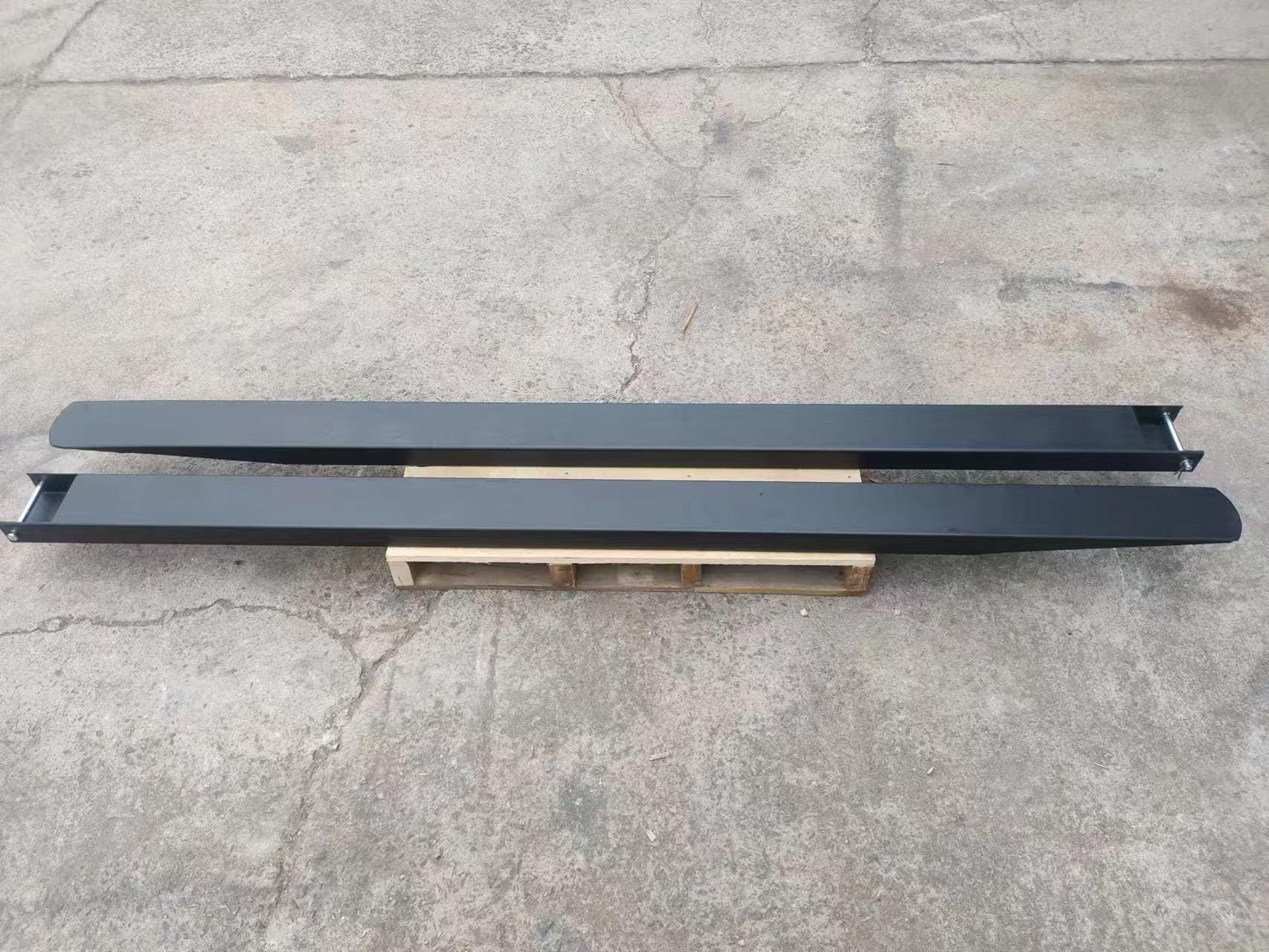
قياس امتدادات شوكة الرافعة الشوكية مقابل المراجع المعتمدة
In a review of forklift fork extensions, dimensional inspection of forklift fork extensions should follow the agreed datum and measurement condition. Begin with the interfaces that determine assembly and the characteristics identified as critical in the order. Record actual results rather than a series of unexplained check marks. For paired or assembled components, verify their relationship as well as each individual measurement. An item can meet isolated dimensions yet fail a required alignment or combined fit. If a fixture or gauge is used, identify it in the record so that the result can be reproduced.
Separate inspection of the delivered component from commissioning of the installed system. A controlled fit assessment can confirm that mating surfaces engage as intended, but it does not issue an operating capacity or replace required equipment approval. Hydraulic or moving assemblies need their appropriate installation procedure and competent personnel. Where a functional test is specified, use the agreed conditions and record the component identity. Avoid improvised load tests intended to prove strength without a defined method, suitable controls and responsible technical authorization.
القبول الوثيق والتناقضات في امتدادات شوكة الرافعة الشوكية
Acceptance of forklift fork extensions should leave a clear outcome: accepted to the specified scope, held for a defined question or rejected against an identified requirement. For a discrepancy, state the drawing reference, measured or observed condition and the requested disposition. Keep the item identifiable while the issue is reviewed. A supplier's informal assurance should not erase the evidence or change the master drawing automatically. If a deviation is accepted, record who authorized it, its extent and whether it applies only to this delivery or to future production.
After acceptance, store the drawing, reports, photographs and installation references with the equipment record. Notify the maintenance and production teams of the approved part identity and any relevant limitations. Preserve traceability if the component later passes through fabrication or assembly. Good receiving practice does more than find defects: it creates a reliable starting condition for service. When a later problem arises, the team can compare it with a known delivery state rather than arguing about whether a mark, dimension or missing feature was present from the beginning.
مثال مراجعة عملية لتمديدات شوكة الرافعة الشوكية
Consider an illustrative procurement review for occasional long loads on an approved truck configuration. The buyer has an existing installation, a drawing marked revision A and a supplier proposal marked revision B. No production result or customer case is implied by this example. The first review question is whether internal sleeve section, support length, positive retention are stated on both drawings using the same reference convention. Put the confirmed requirement, proposed value and evidence beside each other. An omitted dimension remains an open question; it does not become acceptable merely because the rest of the drawing appears similar.
For forklift fork extensions, suppose the proposal changes one interface while retaining the advertised product name. Ask the supplier to identify the change and its effect on the mating assembly. If the difference changes fit, support or motion, obtain the responsible technical assessment before release. If it is accepted, issue a revised controlled drawing and carry that revision into the order, receiving record and equipment file. This example shows a decision method, not a universal dimensional limit or a substitute for equipment approval.
مقارنة القرار والأدلة
| نقطة القرار | أساس غير مكتمل | الأدلة للطلب |
|---|---|---|
| طلب | اسم المنتج وحده | occasional long loads on an approved truck configuration |
| واجهات حرجة | الحجم الكلي أو الصورة | internal sleeve section, support length, positive retention |
| التوافق | يناسب أثناء الفحص الذي تم تفريغه | تمت الموافقة على الرسم ومراجعة تكوين المضيف |
| نطاق التصنيع | مطالبة الجودة العامة | المواد المحددة والمعالجة والفحص الذي يمكن تتبعه |
| يطلق | رسالة غير رسمية | المراجعة المقبولة والانحرافات الموثقة واستلام السجل |
للحصول على سياق عام لمكان العمل، راجع توجيه شاحنة الرفع HSE في المملكة المتحدة. إرشادات مكان العمل الخاصة به تكمل تعليمات المعدات؛ لا يصادق هذا الرابط على منتج Techence أو يحل محل الموافقة الفنية الخاصة بالتطبيق.
مراجعة Techence صفحة منتج تمديد الشوكة, إذن أرسل Techence متطلبات الرسم والتطبيق الخاصة بك لتأكيد النطاق المقترح.
To discuss forklift fork extensions, prepare the current drawing revision, quantity, host equipment details and the evidence needed for receiving inspection and acceptance records. Ask Techence to confirm the available configuration and identify any assumptions before quotation or production release.
الأسئلة المتداولة
What information is needed for forklift fork extensions in this application?
Provide the host equipment identity, a current drawing and a description of occasional long loads on an approved truck configuration. Identify internal sleeve section, support length, positive retention, the supplied scope and any unknown requirements. Distinguish original design values from measurements taken from a worn part. The supplier can then confirm the proposal against a defined interface instead of guessing from the product name.
Can a matching size prove that forklift fork extensions is compatible?
No. Overall size is only one comparison. For fork extensions for existing arms, check internal sleeve section, support length, positive retention and the effect on connected components, load geometry or motion. Material condition and approved operating requirements also need the appropriate evidence. A controlled fit assessment supports the decision but does not establish the capacity of the complete machine.
Which records should accompany forklift fork extensions?
Keep the approved drawing revision, component identification, agreed inspection results and any required functional or test records together. The evidence should identify the delivered unit or set and state the scope actually checked. For fork extensions for existing arms, retain the mating-assembly information so that later replacements can reproduce the approved configuration.
When should the fork extensions for existing arms application be reviewed again?
Review a change in host equipment, intended load, support arrangement, installation envelope or operating requirements that affects the approved configuration. Pay particular attention to internal sleeve section, support length, positive retention. A substitute part or revised supplier drawing also needs assessment against the controlled requirement. The equipment owner and responsible engineer should resolve the affected interfaces before release.
How can a buyer request a quotation for forklift fork extensions?
Send Techence the application description, drawing, quantity, equipment details and documentation requirements. State that the inquiry concerns fork extensions for existing arms and receiving inspection and acceptance records. Ask the team to identify assumptions and proposed alternatives explicitly. Confirm the final drawing and scope before manufacture; published category information alone cannot determine the correct configuration for every installation.