جدول المحتويات
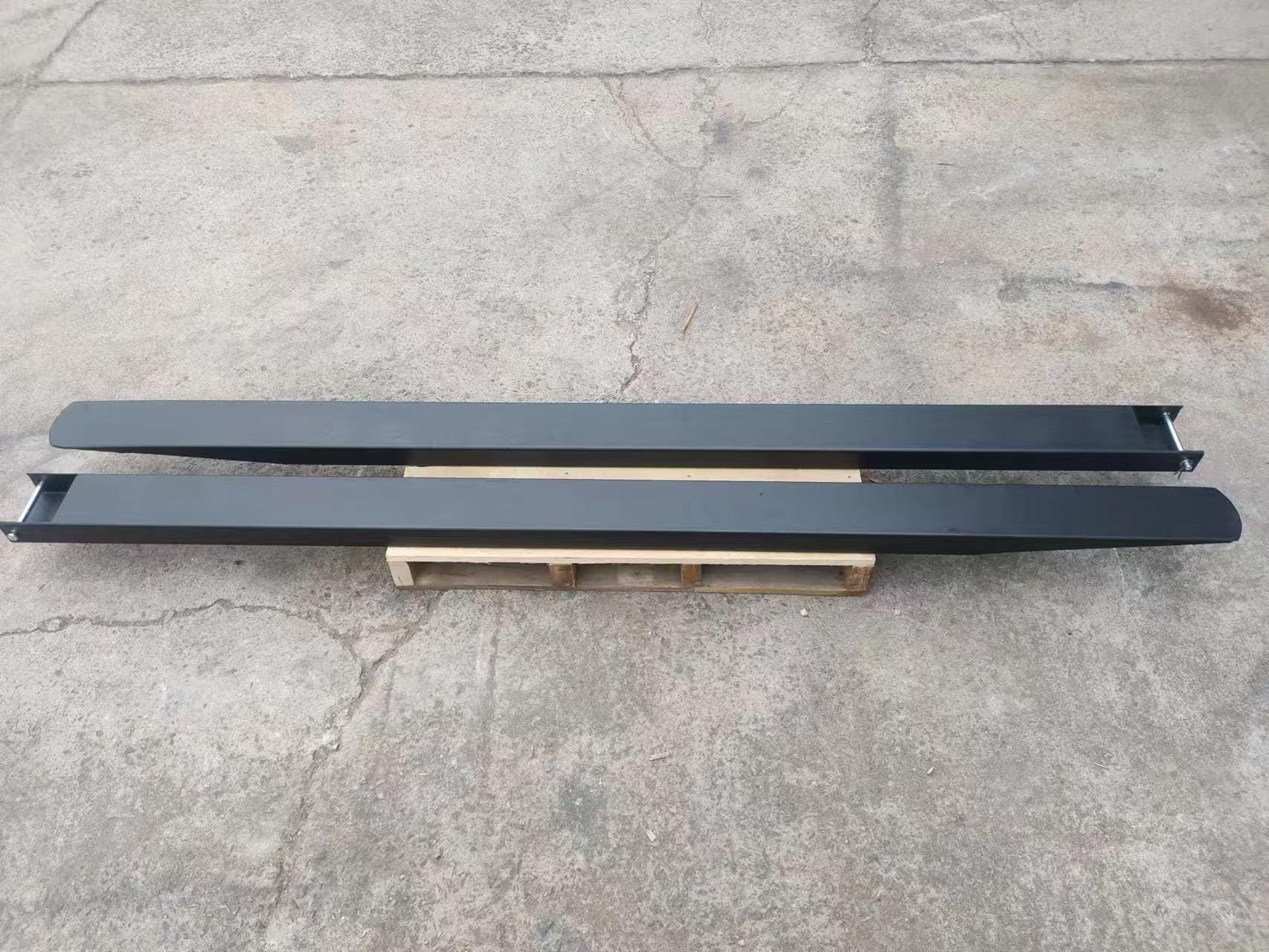
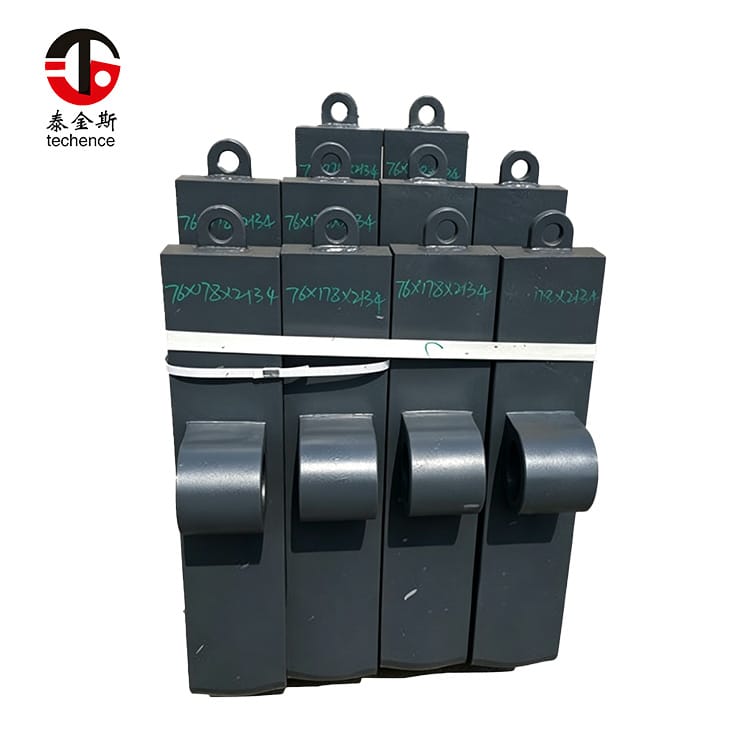
Forklift mast channel must be specified around a real installation. In fabricators sourcing rails for a controlled mast design, the purchasing question is how mast channels and structural interfaces should satisfy maintenance records and replacement planning. This guide focuses on that decision and the evidence a buyer should collect before releasing work. It does not assign a new machine capacity or claim a universal service interval.
The review of forklift mast channel should begin with cross-section, roller contact geometry, straightness. A clear drawing, known host configuration and an agreed acceptance plan make the supplier conversation more useful. The following checks explain how to turn those inputs into a documented decision.
حدد المقطع العرضي الذي يتجاوز اسمه لقناة سارية الرافعة الشوكية
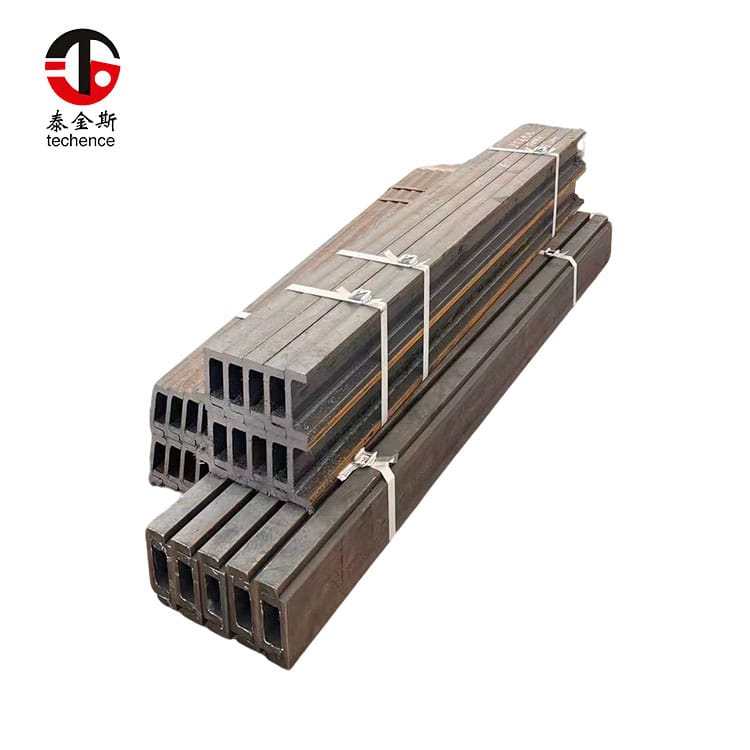
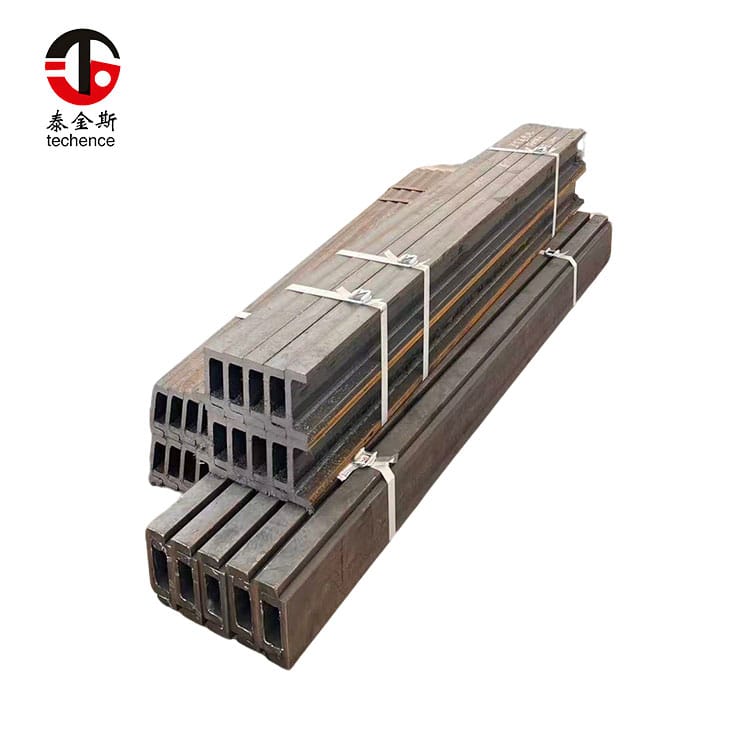
For buyers evaluating forklift mast channel, a mast channel's designation is not a complete drawing. Record wall and flange geometry, corner details, roller contact surfaces and the agreed reference datums. Sections with similar overall height can differ where a roller runs or where another stage passes. The supplier needs the actual design profile, and the buyer needs to know which dimensions are controlled after processing.
التحكم في الطول والاستقامة معًا لقناة صاري الرافعة الشوكية
When specifying forklift mast channel, cut length, end condition and straightness affect later fabrication and assembly. State the measurement method and the support condition used for inspection. A long section can appear straight in one orientation and show a relevant deviation in another. Where several rails form an assembly, review their relationship and alignment requirements rather than accepting each rail solely on an isolated length measurement.
معالجة عمليات التصنيع اللاحقة لقناة سارية الرافعة الشوكية
In a review of forklift mast channel, holes, welding, cutting and local heating can affect the finished mast geometry. Identify the planned operations and their responsibility in the purchase specification. Agree material condition and any downstream verification needed by the responsible designer. A raw section certificate does not establish the quality or capacity of the completed mast after fabrication.
احتفظ بالأدلة الهيكلية التي يمكن تتبعها لقناة سارية الرافعة الشوكية
For a project involving forklift mast channel, link the supplied sections to their material and inspection records, then preserve identification through fabrication. Compare roller contact and engagement geometry with the approved drawing before assembly. The final mast requires its own design and acceptance evidence. A channel is a structural input to that system, not a standalone authorization to lift a particular load.
إنشاء خط الأساس للخدمة لقناة سارية الرافعة الشوكية
For buyers evaluating forklift mast channel, replacement planning for forklift mast channel works best when the original installed condition is documented. Retain the accepted drawing, component identification, equipment configuration and receiving inspection. For fabricators sourcing rails for a controlled mast design, keep the key references accessible: cross-section, roller contact geometry, straightness. Record the approved maintenance guidance and the people responsible for inspection. A future buyer should not have to reconstruct the part from a damaged component after the equipment has already stopped. The baseline should describe the intended new condition and the actual accepted installation.
When specifying forklift mast channel, keep operating observations tied to the specific unit or assembly. Useful records include the application, observed condition, inspection date and the action taken. Where operating hours or cycle information is available, preserve it with a clear source and definition. Do not estimate a service-life figure from a small number of incomplete observations. The purpose of the record is to detect change and support a competent decision, not to manufacture a precise replacement interval without evidence. Follow the equipment and component manufacturer's requirements for inspection and removal from service.
فحص قناة صاري الرافعة الشوكية بمراجع صالحة
When specifying forklift mast channel, inspection of forklift mast channel should use the correct original geometry and the manufacturer's defined assessment method. A measurement taken from an arbitrary location may not be comparable with the drawing or previous results. Clean and access the relevant surfaces using the approved maintenance procedure. Record actual observations and measurement locations so that another competent person can reproduce the assessment. A polished appearance is not evidence of sound condition, and dirt or coating can conceal damage. Where a condition is uncertain, remove the item from the relevant service for assessment as the procedure requires.
In a review of forklift mast channel, avoid unapproved repairs intended to recover appearance or fit. Heating, welding, grinding, drilling and changing retainers can alter a critical component or its interface. Ask the responsible manufacturer or engineer to assess the proposed work and define any required verification. A repair that makes a part fit again does not automatically restore its original rating or geometry. Keep the repair disposition, work performed and final evidence with the unit's record. If a component is condemned, prevent it from being mixed with serviceable stock or used as an approved dimensional master.
خطط لاستبدال قناة صاري الرافعة الشوكية قبل التوقف
The replacement record for forklift mast channel should include more than a purchasing description. Store the part number, drawing revision, mating assembly, supplied scope and any approved alternatives. Check that the current host equipment still matches that record before ordering. A previous retrofit or attachment change may have made an older spare unsuitable. For critical equipment, discuss stocking strategy using confirmed lead times, demand history and the consequences of an unavailable part. Do not promise a universal spare quantity; the appropriate policy depends on the operation and the evidence available.
Inspect stored spares as specified and preserve their identification and protective packaging. Heavy parts need a stable storage arrangement, while hydraulic connections and precision interfaces need suitable contamination protection. Record any movement or issue of the spare so that stock data remains reliable. When a spare is installed, link it to the equipment and update the service baseline. A spare that has remained unused for a long period still needs its relevant condition and compatibility checks before commissioning. Availability alone does not establish readiness for service.
التحقيق في الطلب المتكرر لاستبدال قناة الصاري للرافعة الشوكية
Repeated replacement of forklift mast channel should prompt a review of the application and connected system. Compare the location and nature of damage, the operating conditions and the inspection history. The cause may involve an interface, loading practice, contamination, alignment or another component. Buying a stronger-looking substitute without understanding the pattern can shift the problem elsewhere. Preserve evidence and ask the responsible technical team to assess the actual mechanism. Separate confirmed causes from hypotheses in the report.
Use the investigation to update the controlled specification or operating arrangement where appropriate. If a design change is proposed, apply the required engineering review, equipment approval and acceptance steps. Keep the old and new revisions distinguishable in stock and maintenance records. Share the practical identification and inspection changes with the people who use those records. A good lifecycle process makes each replacement better informed: the team understands the installed configuration, can identify a suitable part and has evidence for deciding whether the application itself needs to change.
مثال مراجعة عملية لقناة سارية الرافعة الشوكية
Consider an illustrative procurement review for fabricators sourcing rails for a controlled mast design. The buyer has an existing installation, a drawing marked revision A and a supplier proposal marked revision B. No production result or customer case is implied by this example. The first review question is whether cross-section, roller contact geometry, straightness are stated on both drawings using the same reference convention. Put the confirmed requirement, proposed value and evidence beside each other. An omitted dimension remains an open question; it does not become acceptable merely because the rest of the drawing appears similar.
For forklift mast channel, suppose the proposal changes one interface while retaining the advertised product name. Ask the supplier to identify the change and its effect on the mating assembly. If the difference changes fit, support or motion, obtain the responsible technical assessment before release. If it is accepted, issue a revised controlled drawing and carry that revision into the order, receiving record and equipment file. This example shows a decision method, not a universal dimensional limit or a substitute for equipment approval.
مقارنة القرار والأدلة
| نقطة القرار | أساس غير مكتمل | الأدلة للطلب |
|---|---|---|
| طلب | اسم المنتج وحده | fabricators sourcing rails for a controlled mast design |
| واجهات حرجة | الحجم الكلي أو الصورة | cross-section, roller contact geometry, straightness |
| التوافق | يناسب أثناء الفحص الذي تم تفريغه | تمت الموافقة على الرسم ومراجعة تكوين المضيف |
| نطاق التصنيع | مطالبة الجودة العامة | المواد المحددة والمعالجة والفحص الذي يمكن تتبعه |
| يطلق | رسالة غير رسمية | المراجعة المقبولة والانحرافات الموثقة واستلام السجل |
للحصول على سياق عام لمكان العمل، راجع توجيه شاحنة الرفع HSE في المملكة المتحدة. إرشادات مكان العمل الخاصة به تكمل تعليمات المعدات؛ لا يصادق هذا الرابط على منتج Techence أو يحل محل الموافقة الفنية الخاصة بالتطبيق.
مراجعة Techence Forklift door frame product page, إذن أرسل Techence متطلبات الرسم والتطبيق الخاصة بك لتأكيد النطاق المقترح.
To discuss forklift mast channel, prepare the current drawing revision, quantity, host equipment details and the evidence needed for maintenance records and replacement planning. Ask Techence to confirm the available configuration and identify any assumptions before quotation or production release.
الأسئلة المتداولة
ما هي المعلومات المطلوبة لقناة سارية الرافعة الشوكية في هذا التطبيق؟
توفير هوية المعدات المضيفة والرسم الحالي ووصف المصنعين الذين يقومون بتوريد القضبان لتصميم الصاري المتحكم فيه. تحديد المقطع العرضي وهندسة تلامس الأسطوانة والاستقامة والنطاق المزود وأي متطلبات غير معروفة. تمييز قيم التصميم الأصلية عن القياسات المأخوذة من الجزء البالي. يمكن للمورد بعد ذلك تأكيد الاقتراح مقابل واجهة محددة بدلاً من التخمين من اسم المنتج.
هل يمكن للحجم المطابق إثبات توافق قناة صاري الرافعة الشوكية؟
لا. الحجم الإجمالي هو مقارنة واحدة فقط. بالنسبة لقنوات الصاري والواجهات الهيكلية، تحقق من المقطع العرضي وهندسة تلامس الأسطوانة والاستقامة والتأثير على المكونات المتصلة أو هندسة الحمل أو الحركة. تحتاج حالة المادة ومتطلبات التشغيل المعتمدة أيضًا إلى الأدلة المناسبة. ويدعم تقييم الملاءمة المتحكم فيه القرار ولكنه لا يحدد قدرة الماكينة بأكملها.
ما هي السجلات التي يجب أن تصاحب قناة سارية الرافعة الشوكية؟
احتفظ بمراجعة الرسم المعتمدة وتحديد المكونات ونتائج الفحص المتفق عليها وأي سجلات وظيفية أو اختبارية مطلوبة معًا. يجب أن تحدد الأدلة الوحدة أو المجموعة التي تم تسليمها وتحدد النطاق الذي تم فحصه بالفعل. بالنسبة لقنوات الصاري والواجهات الهيكلية، احتفظ بمعلومات تجميع التزاوج حتى تتمكن البدائل اللاحقة من إعادة إنتاج التكوين المعتمد.
متى يجب مراجعة تطبيق القنوات الرئيسية والواجهات الهيكلية مرة أخرى؟
قم بمراجعة التغيير في المعدات المضيفة أو الحمل المقصود أو ترتيب الدعم أو غلاف التثبيت أو متطلبات التشغيل التي تؤثر على التكوين المعتمد. انتبه بشكل خاص إلى المقطع العرضي أو هندسة تلامس الأسطوانة أو الاستقامة. يحتاج الجزء البديل أو رسم المورد المنقح أيضًا إلى التقييم مقابل المتطلبات الخاضعة للرقابة. يجب على مالك المعدات والمهندس المسؤول حل الواجهات المتأثرة قبل الإصدار.
كيف يمكن للمشتري أن يطلب عرض أسعار لقناة سارية الرافعة الشوكية؟
Send Techence the application description, drawing, quantity, equipment details and documentation requirements. State that the inquiry concerns mast channels and structural interfaces and maintenance records and replacement planning. Ask the team to identify assumptions and proposed alternatives explicitly. Confirm the final drawing and scope before manufacture; published category information alone cannot determine the correct configuration for every installation.