جدول المحتويات
Forklift fork carriage must be specified around a real installation. In carriage fabricators and replacement-interface projects, the purchasing question is how carriage bars and fork engagement should satisfy rfq scope and comparable supplier quotations. This guide focuses on that decision and the evidence a buyer should collect before releasing work. It does not assign a new machine capacity or claim a universal service interval.
The review of forklift fork carriage should begin with bar profile, hook seating, alignment datum. A clear drawing, known host configuration and an agreed acceptance plan make the supplier conversation more useful. The following checks explain how to turn those inputs into a documented decision.
حدد هندسة ملامسة الشوكة لعربة شوكة الرافعة الشوكية
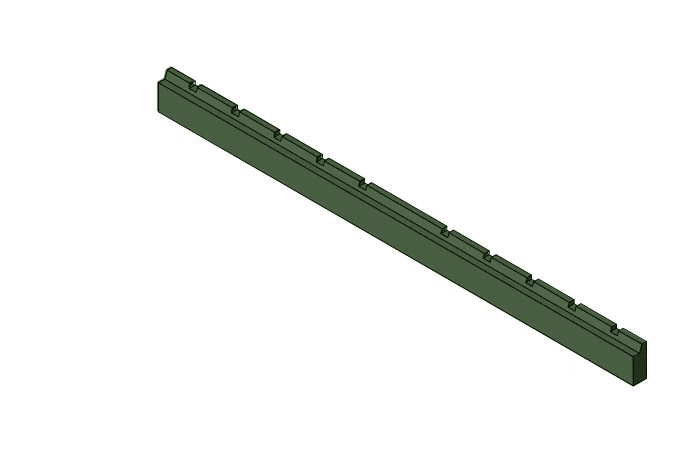
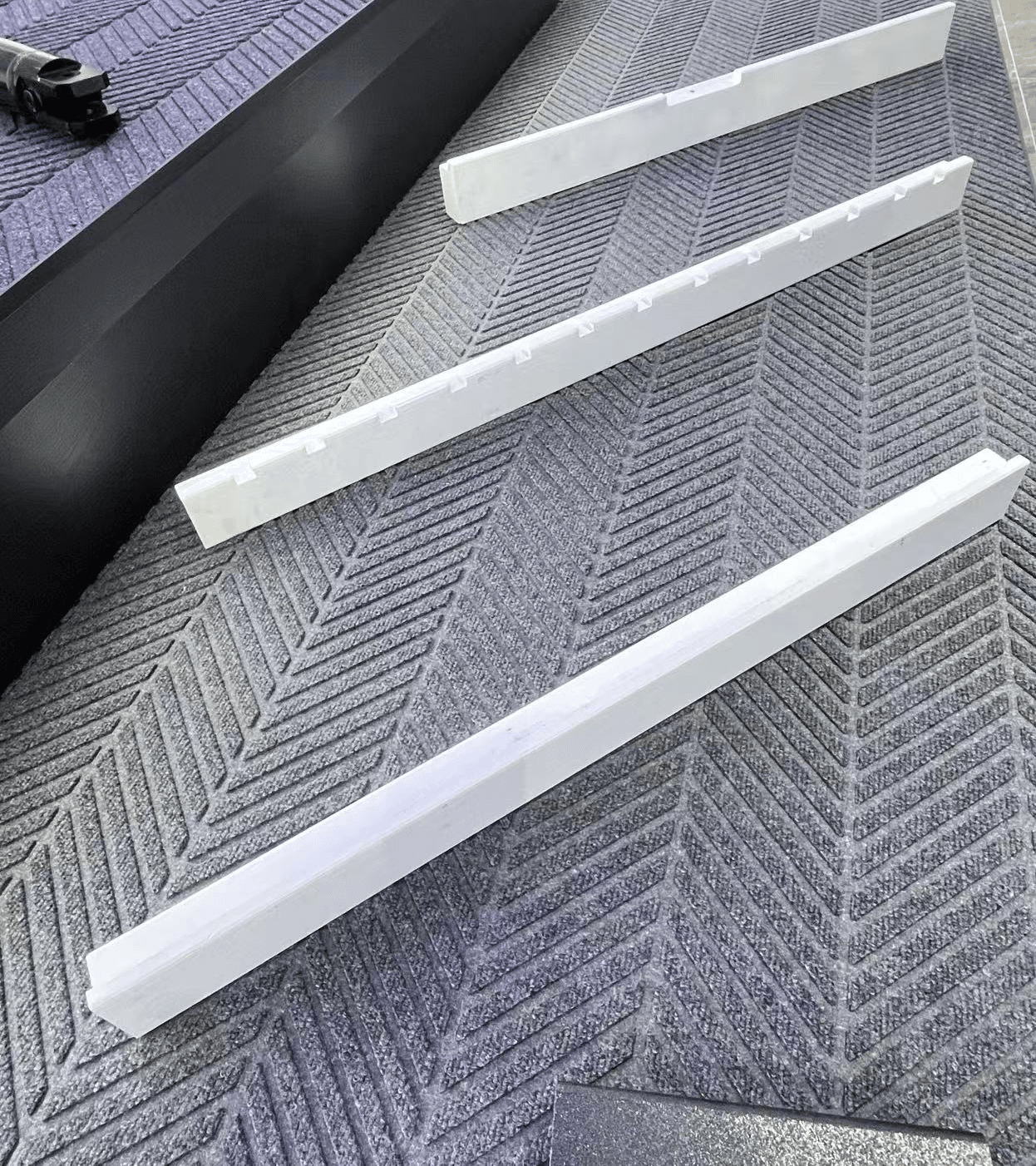
For buyers evaluating forklift fork carriage, the carriage bar provides the engagement surface for compatible fork hooks. Overall width and thickness do not fully describe that interface. Record the relevant profile, seating surfaces, spacing and dimensional references. Compare the intended fork geometry with the actual bar drawing. A bar that looks close to the original can still change hook engagement or retaining clearance.
Review the assembly alignment for forklift fork carriage
When specifying forklift fork carriage, the relationship between upper and lower interfaces affects how the forks seat and move. Specify their position, parallelism and the fabrication datum used to control them. Welding and later finishing can alter those relationships. The fabricator should retain the approved sequence and inspect the completed carriage against the assembly drawing rather than relying only on incoming bar dimensions.
Include retention and adjustment features for forklift fork carriage
In a review of forklift fork carriage, fork positioning and retention features need clear identification. State the arrangement and the parts supplied, including any stops or locking interfaces in the approved design. Do not add notches, holes or welded pieces during installation without design review. An engagement surface also needs to remain inspectable, so coating and protective measures should not hide critical geometry or identification.
Assign evidence to the correct scope for forklift fork carriage
For a project involving forklift fork carriage, the bar supplier's records should cover the supplied material and processing. The carriage fabricator must verify the completed structure and interfaces within its responsibility. The equipment owner needs the approved installed configuration. Keep these records connected by drawing revision and part identification so that a future fork replacement can be checked against a known carriage interface.
Give suppliers the same forklift fork carriage inquiry
For buyers evaluating forklift fork carriage, comparable quotations for forklift fork carriage require a common inquiry package. Send the same drawing revision, application description, quantities and documentation requirements to each candidate supplier. Identify carriage fabricators and replacement-interface projects and list the critical references: bar profile, hook seating, alignment datum. State which information is confirmed and which items require a technical proposal. If one supplier receives a worn sample and another receives a finished drawing, their offers may address different assumptions. Resolve that difference before judging the quotations by price.
When specifying forklift fork carriage, separate the base scope from options. Define whether the order covers an individual component, a matched pair, a complete assembly, connection hardware, spares or installation support. Request separate pricing where optional work genuinely changes the scope. Include expected packaging, delivery destination and the agreed commercial delivery basis so that freight responsibilities can be compared. Avoid asking for an immediate firm price while withholding the interface details that determine manufacturing and inspection effort. A realistic quotation starts with a sufficiently defined requirement.
Compare technical scope for forklift fork carriage
When specifying forklift fork carriage, the technical comparison for forklift fork carriage should identify compliance, exceptions and unresolved questions against the inquiry. Ask suppliers to reference the drawing characteristics rather than responding only that the item is standard. Review material condition, manufacturing scope, supplied features and the agreed inspection plan. If a supplier proposes an alternative, request a marked drawing and a clear statement of what changes. Do not treat a different geometry or reduced inspection scope as equivalent merely because the quotation uses the same product name.
Read test and certificate claims with the delivered item in mind. Ask what evidence will identify the actual component and which acceptance criteria the report will address. A company-level credential does not replace component-specific dimensional or functional evidence. Avoid assigning a technical advantage to an unsupported claim. The comparison should show the basis available for each requirement and the specific questions still open. Procurement can then involve engineering where the difference affects the installed system instead of trying to resolve a load-path issue through a price negotiation.
Build the landed comparison for forklift fork carriage
For forklift fork carriage, calculate the comparable cost using the same quantity and scope. Include the component price, specified inspection, packaging, freight and other known charges under the agreed delivery basis. Show unknown charges as unresolved rather than entering zero. Separate recurring unit costs from one-time tooling or sample work. If expected production quantity is uncertain, present the cost at the relevant quantity levels instead of hiding the assumption in a single average. This makes the comparison useful when the project changes from a prototype to a repeat order.
تحتاج المهلة أيضًا إلى تعريف مشترك. اسأل ما إذا كان يبدأ بعد تقديم الطلب أو الحصول على الموافقة أو الدفع أو الإفراج عن المواد، وما إذا كان ينتهي عند جاهزية المصنع أو وصول الوجهة. حافظ على العبور وتلقي القبول مختلفًا عن وقت الإنتاج. للحصول على استبدال حاسم، قم بمراجعة تبعيات الجدول الزمني وتكلفة عدم التطابق غير المخطط له. لا تخترع توفيرًا في وقت التوقف عن العمل لتبرير المورد المفضل. سجل المتطلبات التشغيلية وقارن التزامات التسليم المؤكدة والأدلة الفنية مقابلها.
Turn the selected forklift fork carriage offer into an order
The order for forklift fork carriage should capture the final accepted scope, drawing revision, approved alternatives and required records. Carry forward technical clarifications from the quotation stage so that they do not disappear when a purchasing system reduces the order to a short item description. Define sample approval and production release where applicable. State how changes will be proposed and authorized. A supplier should not need to infer whether an earlier preliminary sketch or a later marked drawing governs manufacture.
الموافقة على عملية تلقي الأدلة والتناقض قبل الإرسال. تحديد الطلب الذي يربط العنصر المقدم بتقاريره وطلبه. إبقاء بيانات الضمان والخدمة مرتبطة بنطاقها المكتوب بدلاً من تحويلها إلى وعد أداء غير محدود. بعد التسليم، احتفظ بعرض الأسعار والطلب المقبولين إلى جانب سجل الفحص. وهذا يخلق خط أساس موثوقًا لعمليات الشراء المتكررة. والنتيجة هي قرار المورد الذي يمكن تفسيره من خلال نطاق مماثل وافتراضات موثقة وأدلة مؤكدة، مما يجعل المشتريات المستقبلية أكثر اتساقًا وأسهل في التدقيق.
A practical review example for forklift fork carriage
Consider an illustrative procurement review for carriage fabricators and replacement-interface projects. The buyer has an existing installation, a drawing marked revision A and a supplier proposal marked revision B. No production result or customer case is implied by this example. The first review question is whether bar profile, hook seating, alignment datum are stated on both drawings using the same reference convention. Put the confirmed requirement, proposed value and evidence beside each other. An omitted dimension remains an open question; it does not become acceptable merely because the rest of the drawing appears similar.
For forklift fork carriage, suppose the proposal changes one interface while retaining the advertised product name. Ask the supplier to identify the change and its effect on the mating assembly. If the difference changes fit, support or motion, obtain the responsible technical assessment before release. If it is accepted, issue a revised controlled drawing and carry that revision into the order, receiving record and equipment file. This example shows a decision method, not a universal dimensional limit or a substitute for equipment approval.
مقارنة القرار والأدلة
| نقطة القرار | أساس غير مكتمل | الأدلة للطلب |
|---|---|---|
| طلب | اسم المنتج وحده | carriage fabricators and replacement-interface projects |
| واجهات حرجة | الحجم الكلي أو الصورة | bar profile, hook seating, alignment datum |
| التوافق | يناسب أثناء الفحص الذي تم تفريغه | تمت الموافقة على الرسم ومراجعة تكوين المضيف |
| نطاق التصنيع | مطالبة الجودة العامة | المواد المحددة والمعالجة والفحص الذي يمكن تتبعه |
| يطلق | رسالة غير رسمية | المراجعة المقبولة والانحرافات الموثقة واستلام السجل |
للحصول على سياق عام لمكان العمل، راجع توجيه شاحنة الرفع HSE في المملكة المتحدة. إرشادات مكان العمل الخاصة به تكمل تعليمات المعدات؛ لا يصادق هذا الرابط على منتج Techence أو يحل محل الموافقة الفنية الخاصة بالتطبيق.
مراجعة Techence Forklift carriage bar product page, إذن أرسل Techence متطلبات الرسم والتطبيق الخاصة بك لتأكيد النطاق المقترح.
To discuss forklift fork carriage, prepare the current drawing revision, quantity, host equipment details and the evidence needed for rfq scope and comparable supplier quotations. Ask Techence to confirm the available configuration and identify any assumptions before quotation or production release.
الأسئلة المتداولة
What information is needed for forklift fork carriage in this application?
Provide the host equipment identity, a current drawing and a description of carriage fabricators and replacement-interface projects. Identify bar profile, hook seating, alignment datum, the supplied scope and any unknown requirements. Distinguish original design values from measurements taken from a worn part. The supplier can then confirm the proposal against a defined interface instead of guessing from the product name.
Can a matching size prove that forklift fork carriage is compatible?
No. Overall size is only one comparison. For carriage bars and fork engagement, check bar profile, hook seating, alignment datum and the effect on connected components, load geometry or motion. Material condition and approved operating requirements also need the appropriate evidence. A controlled fit assessment supports the decision but does not establish the capacity of the complete machine.
Which records should accompany forklift fork carriage?
Keep the approved drawing revision, component identification, agreed inspection results and any required functional or test records together. The evidence should identify the delivered unit or set and state the scope actually checked. For carriage bars and fork engagement, retain the mating-assembly information so that later replacements can reproduce the approved configuration.
When should the carriage bars and fork engagement application be reviewed again?
Review a change in host equipment, intended load, support arrangement, installation envelope or operating requirements that affects the approved configuration. Pay particular attention to bar profile, hook seating, alignment datum. A substitute part or revised supplier drawing also needs assessment against the controlled requirement. The equipment owner and responsible engineer should resolve the affected interfaces before release.
How can a buyer request a quotation for forklift fork carriage?
Send Techence the application description, drawing, quantity, equipment details and documentation requirements. State that the inquiry concerns carriage bars and fork engagement and rfq scope and comparable supplier quotations. Ask the team to identify assumptions and proposed alternatives explicitly. Confirm the final drawing and scope before manufacture; published category information alone cannot determine the correct configuration for every installation.