Inhaltsverzeichnis
Einleitung
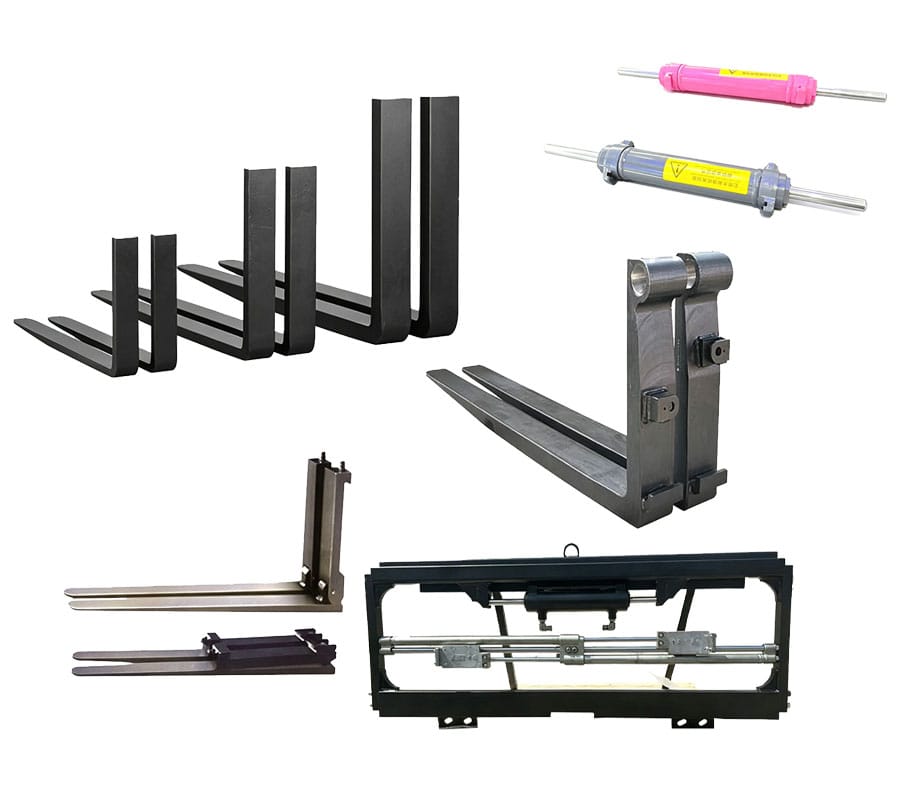
Der richtige Gabelstapleraufsatz kann einen Standard-Hebewagen in ein spezielleres Materialhandhabungssystem verwandeln. Er kann die Neupositionierung reduzieren, ungewöhnliche Lasten tragen, die Lastkontrolle verbessern und Bedienern helfen, sich wiederholende Aufgaben konsistenter zu erledigen. Die falsche Befestigung kann jedoch die Sicht einschränken, die nutzbare Kapazität verringern, Produkte beschädigen oder einen unnötig komplizierten Arbeitsablauf erzeugen.
Deshalb sollte die Wahl der Stapleraufsätze nicht mit einem Produktkatalog beginnen, er sollte mit einer klaren Beschreibung beginnen, was Sie handhaben, wie Sie damit umgehen und wo die Arbeit stattfindet.
A Gabelstapler Um eine Nennlast, einen definierten Lastmittelpunkt, einen Mast, einen Schlitten, Gabeln, hydraulische Systeme und ein Gegengewicht herum ausgelegt ist, ändert das Hinzufügen eines Aufsatzes das Verhalten dieses kompletten Systems Der Aufsatz hat sein eigenes Gewicht, seine Dicke, seinen Schwerpunkt, seinen hydraulischen Bedarf und seine Betriebseigenschaften. Der Lektionsvorgang muss daher fünf Fragen beantworten:
- Wie sieht die Ladung aus?
- Was muss die Befestigung mit der Last machen?
- Kann der Gabelstapler die kombinierte Konfiguration sicher unterstützen?
- Passt der Aufsatz zum Schlitten und zum Hydrauliksystem?
- Können Bediener es konsistent nutzen, prüfen und warten?
In diesem Leitfaden wird erläutert, wie Sie diese Fragen beantworten können, ohne den Kaufprozess zu kompliziert zu machen.
Beginnen Sie mit der Ladung, nicht mit der Gabelstaplerbefestigung
Viele Probleme bei der Auswahl von Anbaugeräten beginnen, wenn ein Käufer einen bekannten Befestigungsnamen wählt, bevor er die tatsächliche Last dokumentiert. Ein Seitenschieber, eine Klemme, ein Rotator, ein Gabelpositionierer oder eine Verlängerung können geeignet klingen, aber die Last bestimmt, ob diese Wahl in der Praxis funktioniert.
Identifizieren Sie das Ladeformular
Beginnen Sie mit der Klassifizierung der Produkte oder Materialien, die bewegt werden. Zu den gängigen Lastformen gehören:
- Palettierte Kartons
- Trommeln und zylindrische Behälter
- Papier-, Textil- oder Materialrollen
- Baled Produkte
- Sackmaterialien
- Lange Profile, Rohre, Holz oder Platten
- Lockeres Material in Behältern oder Behältern
- Geräte und große Kartons
- Ladungen ohne Paletten
- Lasten mit instabilen oder unregelmäßigen Schwerpunktlagen
Der Aufsatz muss kontrolliert in die Last eingreifen Gabel stützen eine Palette von unten ab, während Klemmen Druck von den Seiten ausüben Rotatoren drehen eine Last um eine horizontale Achse Push-Pull-Systeme bewegen Gleitblechlasten, ohne auf eine herkömmliche Palette angewiesen zu sein.
Diese Funktionen sind nicht austauschbar Eine Last, die eine vertikale Unterstützung verträgt, verträgt möglicherweise keinen seitlichen Klemmdruck. Eine starre Last kann stabil bleiben, wenn sie gedreht wird, während sich eine flexible oder teilweise gefüllte Last unerwartet verschieben kann.
Messen Sie die tatsächlichen Betriebslasten
Nicht nur auf eine typische Last die Entscheidung stützen Erfassen Sie den vollen Betriebsbereich.
Wichtige Messwerte sind:
- Minimales und maximales Lastgewicht
- Belastungsbreite, Tiefe und Höhe
- Abstand von der Gabelfläche zur Lastmitte
- Palettenöffnungsmaße
- Beladungsflächenmaterial
- Grad der Lastverdichtung
- Stabilität beim Beschleunigen, Bremsen und Drehen
- Häufigkeit von Änderungen der Lastgröße
- Erforderliche Stapelhöhe
- Erforderliche Drehung oder Seitenbewegung
Eine nützliche Feldmethode besteht darin, eine repräsentative Gruppe tatsächlicher Lasten zu überprüfen, anstatt nur eine Probe zu messen. Beziehen Sie die breitesten, schmalsten, schwersten, leichtesten, zerbrechlichsten und am wenigsten stabilen Lasten ein. Dadurch werden Ausnahmen freigelegt, die andernfalls möglicherweise erst nach der Installation auftreten.
Verstehen Sie die wichtigsten Arten von Gabelstaplerbefestigungen
Gabelstapler-Aufsätze sind so konzipiert, dass sie unterschiedliche Handhabungsprobleme lösen. Das Verständnis ihrer Hauptfunktionen hilft Ihnen, eine realistische Auswahlliste zu erstellen.
Seitenwandler
Ein Seitenschalthebel bewegt den Gabelschlitten seitlich, ohne dass der Bediener den gesamten LKW neu positionieren muss. Dies ist nützlich, wenn die Lasten genau auf Paletten, Zahnstangen, Plattformen oder Fahrzeuge ausgerichtet sein müssen.
A Seitenschaltstapleraufsatz Besonders wertvoll können Vorgänge mit wiederholter Palettenplatzierung, eingeschränktem Manövrierraum oder häufigen Ausrichtungskorrekturen sein. Zu den Ction-Variablen gehören Wagenkompatibilität, Gesamtbreite, seitlicher Weg, Kapazität, Montagetyp, hydraulische Verbindungen und die Auswirkung der Befestigungsdicke auf die Lastmitte.
Gabelpositionierer
Gabelpositionierer ermöglichen dem Bediener, den Abstand zwischen den Gabeln hydraulisch einzustellen, Sie sind nützlich, wenn sich die Lastbreiten während einer Schicht häufig ändern.
Sie können die Notwendigkeit für Bediener reduzieren, die Kabine zu verlassen und die Gabeln manuell zu bewegen Ein Gabelpositionierer macht jedoch nicht automatisch jede Ladung für Standardgabeln geeignet Die Ladung muss noch über sichere Stützpunkte verfügen und während der Bewegung stabil bleiben.
Rotatoren
Rotatoren lassen die Gabeln oder einen angebrachten Behälter rotieren Sie werden üblicherweise verwendet, wenn Material gekippt, entleert, umgedreht oder neu positioniert werden muss.
Bevor Sie einen Rotator wählen, überlegen Sie, ob die Last während der gesamten Drehung gesichert bleibt. Die Befestigung erfordert möglicherweise einen Behälter, eine Klemme, eine Gabelverriegelung oder ein Haltesystem. Auch hydraulischer Durchfluss, Drehwinkel, Zyklusfrequenz und Schlauchführung müssen sorgfältig überprüft werden.
Klemmen
Klemmen bewältigen Lasten durch Anwendung von kontrolliertem Druck. Für Kartons, Ballen, Rollen, Geräte, Trommeln und andere Produkte werden unterschiedliche Designs verwendet.
Die Auswahl der Klemme ist besonders empfindlich, da übermäßige Kraft die Last beschädigen kann, während unzureichende Kraft ihr Verrutschen ermöglichen kann. Das richtige Kontaktpolster, der richtige Öffnungsbereich, die Reibungsoberfläche, die Druckeinstellung und der richtige Lastzustand sind wichtig.
Push-Pull-Anhänge
Schubzugbefestigungen sind für Lasten konzipiert, die auf Gleitblechen getragen werden. Sie greifen das Blech, ziehen die Last auf eine Stützplatte und schieben sie am Zielort ab.
Dieser Ansatz kann die Abhängigkeit von Paletten verringern, erfordert jedoch eine kompatible Ladungsverpackung, eine geeignete Qualität der Gleitschalung, angemessene Boden- und Plattformbedingungen sowie Bediener, die den Eingriffsprozess verstehen.
Gabelverlängerungen und Langlastbefestigungen
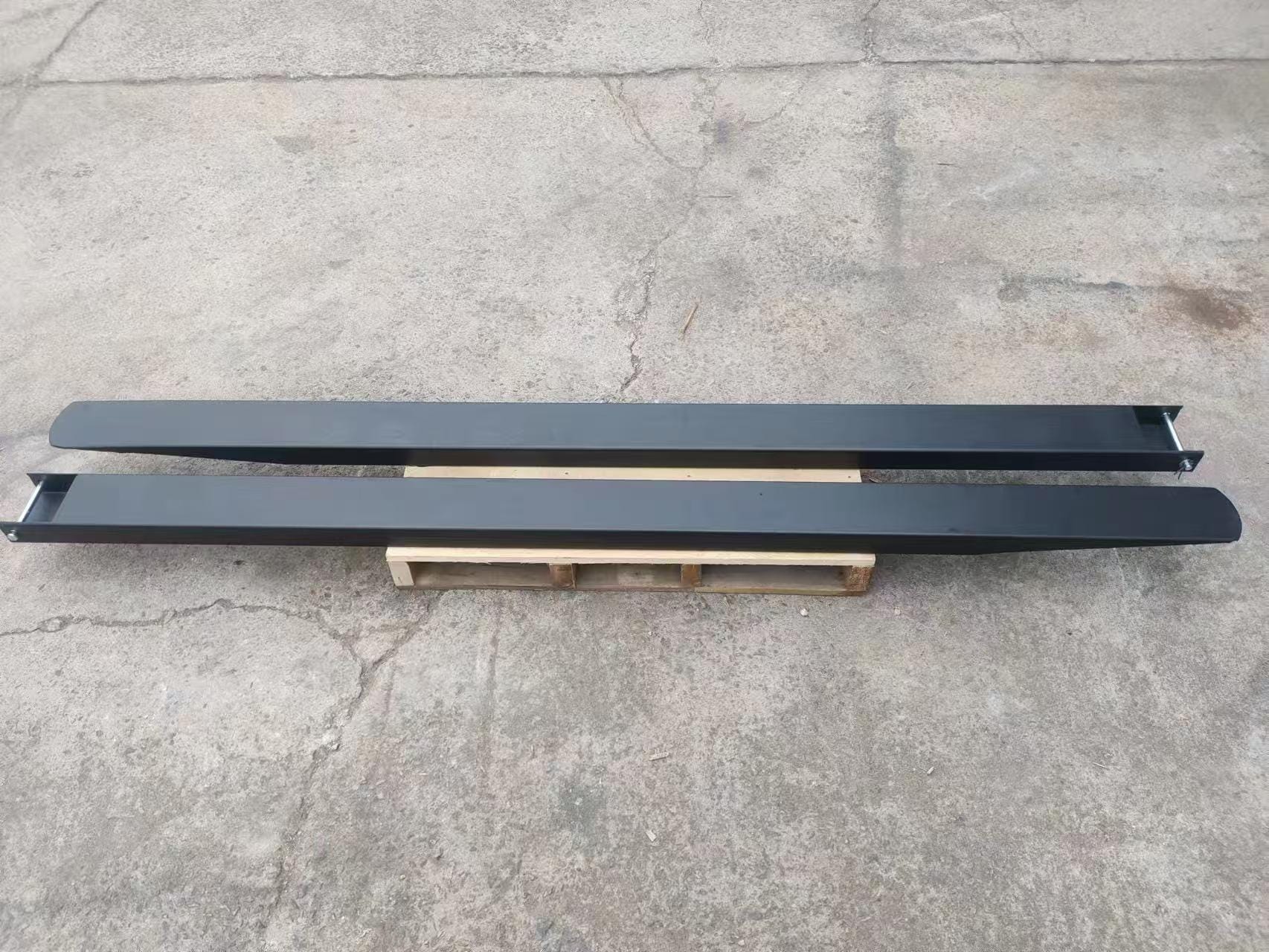
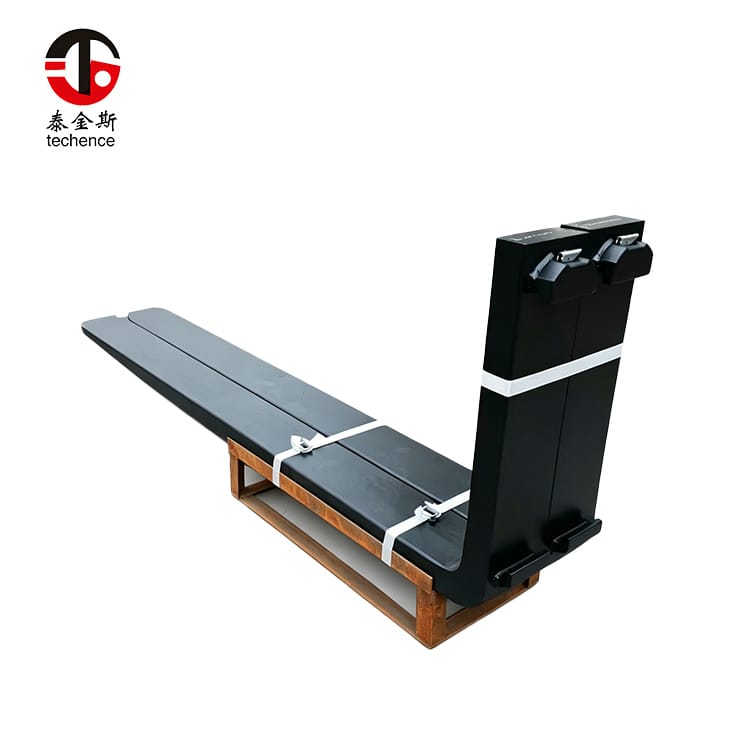
Gabelverlängerungen erhöhen die für bestimmte Lasten verfügbare Stützlänge. Sie müssen auf die vorhandenen Gabeln abgestimmt und nur dort verwendet werden, wo die Last sicher getragen werden kann.
Bei langen Lasten muss außerdem auf Gleichgewicht, Drehraum, Durchbiegung, Lastverteilung und die Möglichkeit geachtet werden, dass die Last über den normalen Betriebsbereich hinausgeht.
Belastungsstabilisatoren und kundenspezifische Anbauteile
Laststabilisatoren üben einen kontrollierten Abwärtsdruck aus, um die Sicherung gestapelter oder instabiler Güter zu unterstützen. Kundenspezifische Gabelstapleraufsätze können Gabelbewegungen, Klemmungen, Drehungen, Ausfahren oder spezielle Lastkontaktflächen kombinieren.
Die Anpassung ist am nützlichsten, wenn die Last konsistent ist, aber mit Standardausrüstung nicht effizient gehandhabt werden kann. Sie sollte auf Zeichnungen, Abmessungen, Handhabungsabläufen, Kapazitätsberechnungen und einer klaren Definition der Arbeitsumgebung basieren.
Überprüfen Sie die Gabelstaplerkapazität und das Last
Nennkapazität für Stapler sollte niemals als fester Wert behandelt werden, der für jede Befestigung und jede Lastposition gilt.
Warum sich die Nennkapazität ändern kann
Ein Gabelstapler ist für eine definierte Lastzentrale und Konfiguration ausgelegt. Wenn ein Aufsatz hinzugefügt wird, wird sein Gewicht Teil der gesamten unterstützten Last. Seine Dicke kann die Arbeitslast auch weiter von der Gabelfläche wegbewegen.
Dadurch erhöht sich das Vorwärtslastmoment Vereinfacht ausgedrückt:
Lastmoment = Lastgewicht × horizontaler Abstand vom tragenden Bezugspunkt
Selbst wenn sich das Produktgewicht nicht ändert, erhöht die Verschiebung seines Schwerpunkts weiter nach vorne den Kippeffekt auf den LKW.
Gewicht und effektives Lastzentrum der Befestigung
Eine Bindung wirkt sich auf zwei Arten auf die Kapazität aus:
- Das Eigengewicht verbraucht einen Teil der Hubfähigkeit des Gabelstaplers.
- Seine Montagedicke kann die effektive Lastmitte erhöhen.
Deshalb kann ein leichter Aufsatz mit dickem Rahmen noch einen sinnvollen Effekt auf die Restkapazität haben, ein kompakter Aufsatz bewahrt unter Umständen mehr Kapazität und Sichtbarkeit als ein tieferes Design, selbst wenn beide die gleiche Grundfunktion erfüllen.
Restkapazität
Die Restkapazität ist die nutzbare Hubkapazität des Gabelstaplers unter Berücksichtigung des installierten Aufsatzes, der Lastmitte, der Hubhöhe, der Mastkonfiguration und anderer relevanter Faktoren.
Sie sollte anhand genehmigter technischer Informationen überprüft werden und nicht anhand der ursprünglichen Nennleistung des Gabelstaplers geschätzt werden Die endgültige Konfiguration sollte sich in der entsprechenden Kapazitätsdokumentation oder dem entsprechenden Datenschild widerspiegeln.
Gehen Sie nicht davon aus, dass ein für eine bestimmte Last ausgelegter Gabelstapler dieselbe Last in jeder Höhe oder bei jedem Anbaugerät heben kann.
Bestätigen Sie die Kompatibilität von Transport und Montage
Gabelstapleraufsätze sind nicht automatisch universell Zwei Lastkraftwagen mit ähnlichen Nennkapazitäten können unterschiedliche Wagenabmessungen, Gabelabschnitte, hydraulische Anordnungen oder Mastkonfigurationen haben.
Wagenklasse
Der Schlitten ist die Struktur, die am Mast entlang fährt und die Gabeln oder den Aufsatz trägt, die Anpassung an die Schlittenklasse ist eine der ersten Kompatibilitätsprüfungen, aber nicht die einzige.
Bestätigen:
- Wagenbreite
- Obere und untere Hakenabmessungen
- Hakenabstand
- Sperrverfahren
- Gabelabstand
- Rückenlehnenanordnung
- Verfügbare Freigabe
- Mast - und Walzeneingriffspunkte
Eine korrekte Beschreibung der Schlittenklasse garantiert keine vollständige Kompatibilität, wenn die Befestigungsbreite, die hydraulischen Anschlüsse, die Schläuche oder der Rahmen andere Komponenten beeinträchtigen.
Montagemethode
Anhänge können sein:
- Hakenmontiert
- Schaftmontiert
- Gabelmontiert
- Anschnallen
- Zu einem speziellen Wagen geschweißt
- Integriert mit einem weiteren Aufsatz
Abnehmbare Konstruktionen können die betriebliche Flexibilität unterstützen, aber häufige Installation und Entfernung schaffen zusätzliche Inspektions- und Anschlussanforderungen. Fest montierte Konstruktionen können eine kompaktere und stabilere Konfiguration für spezielle Arbeiten bieten.
Gabelabmessungen
Gabelmontierte Anbaugeräte müssen der Gabelbreite, -dicke, -länge, -verjüngung, -verriegelungsanordnung und der zulässigen Last entsprechen.
Übermäßiger Abstand kann eine Bewegung während der Fahrt ermöglichen Ein unzureichender Abstand kann eine ordnungsgemäße Installation verhindern oder eine konzentrierte Spannung erzeugen Messungen sollten von den eigentlichen Gabeln aus durchgeführt werden, anstatt sich nur auf eine Modellbeschreibung zu verlassen.
Bewerten Sie die Hydraulik- und Steuerungsanforderungen
Mechanische Kompatibilität ist nur ein Teil des Auswahlprozesses Hydraulische Gabelstapleraufsätze müssen auch dem verfügbaren Druck, Durchfluss, Steuerfunktionen und der Schlauchanordnung des LKWs entsprechen.
Hydraulischer Druck und Durchfluss
Druck beeinflusst die Kraft, die zum Klemmen, Verschieben, Positionieren, Heben oder Drehen zur Verfügung steht Durchfluss beeinflusst die Betriebsgeschwindigkeit.
Mehr Durchfluss bedeutet nicht immer eine bessere Leistung Überhöhte Geschwindigkeit kann eine präzise Lastabfertigung erschweren, während unzureichender Durchfluss die Befestigung bei Hochfrequenzarbeiten verlangsamen kann.
Die richtigen Konfigurationsbilanzen:
- Erforderliche Betätigungskraft
- Gewünschte Bewegungsgeschwindigkeit
- Arbeitszyklus
- Hydraulische Temperatur
- Schlauch - und Passfähigkeit
- Kontrollempfindlichkeit
Zusätzliche hydraulische Funktionen
Ein grundlegender Seitenschieber benötigt möglicherweise eine hydraulische Funktion. Eine kombinierte Befestigung kann zwei oder mehr Funktionen erfordern.
Prüfen Sie, ob der Gabelstapler bereits über genügend Steuerventile und Schlauchleitungen verfügt, wenn hydraulische Funktionen durch ein Wählventil geteilt werden, müssen die Bediener verstehen, wie sie zwischen den Bewegungen wechseln können, ohne die falsche Funktion zu aktivieren.
Schlauchführung
Hydraulikschläuche sollten sich im gesamten Mastbereich frei bewegen, ohne zwischen Komponenten gedehnt, zerdrückt, verdreht oder eingeklemmt zu werden.
Überprüfen Sie die Konfiguration unter:
- Vollabsenkung
- Volllift
- Vorwärts - und Rückwärtsmastneigung
- Maximale Seitenverschiebung
- Maximale Klemmöffnung
- Vollrotation
- Jede Reichweite oder Verlängerungsposition
Eine Schlauchanordnung, die auf Bodenhöhe akzeptabel erscheint, kann bei gehobenem Mast ungeeignet werden.
Passen Sie die Verbindung zur Betriebsumgebung an
Ein technisch kompatibler Aufsatz kann dennoch schlecht funktionieren, wenn er nicht zum Arbeitsplatz passt.
Gangbreite und Wenderaum
Befestigungen können die Gesamtbreite, Länge oder den vorderen Überhang des LKW erhöhen. Dies wirkt sich auf das Abbiegespiel, den Zahnstangenanflug, den Zugang zur Tür, den Containereinstieg und das Manövrieren um die Ausrüstung aus.
Messen Sie den engsten realen Betriebsraum, nicht nur den Hauptgang, Ladezonen, Rack-Enden, Türöffnungen, Bereitstellungsbereiche, und überlastete Ecken erzeugen oft die eigentliche Einschränkung.
Boden- und Oberflächenbedingungen
Ungleichmäßige Böden erhöhen die Lastbewegung und die Vibrationen der Befestigung. Der Betrieb im Freien oder auf gemischten Oberflächen kann zu Stößen, Staub, Feuchtigkeit und Schmutz führen.
Die Befestigung sollte für ausreichende strukturelle Festigkeit und Lasterhaltung sorgen, ohne die Gesamtkonfiguration unnötig schwer zu machen.
Umweltbelastung
Überlegen Sie, ob die Bindung auf Folgendes trifft:
- Staub oder Schleifpartikel
- Feuchtigkeit
- Ätzende Materialien
- Hohe oder niedrige Betriebstemperaturen
- Häufiger Abwasch
- Fasern oder Verpackungsrückstände
- Wiederholter Aufprall
- Lange Lagerzeiten im Freien
Pins, Lager, Dichtungen, Pads, Oberflächen, Schläuche und Schutzausstattungen sollten entsprechend ausgewählt werden.
Dienstzyklus
Ein gelegentlich verwendeter Aufsatz stellt andere Anforderungen als ein Aufsatz, der während einer Schicht wiederholte Zyklen abschließt.
Hochzyklusanwendungen legen größeren Wert auf:
- Lager - und Buchsenhaltbarkeit
- Hydraulische Temperaturregelung
- Siegelqualität
- Schlauchbewegung
- Pad-verschleiß
- Schmierzugang
- Ersatzteilverfügbarkeit
- Prüffrequenz
Berücksichtigen Sie Sicht, Belastbarkeit und Bedienersicherheit
Eine gute Befestigung soll dem Bediener helfen, die Last zu kontrollieren, ohne vermeidbare tote Winkel oder unvorhersehbare Bewegungen zu erzeugen.
Sicht nach vorne
Rahmen, Zylinder, Schläuche, Ventile und Lastrücklehnen können die Sicht des Bedieners behindern. Sicht wird besonders wichtig, wenn Sie Paletten betreten, Lasten in der Höhe platzieren oder in der Nähe von Gestellen und Geräten arbeiten.
Beurteilen Sie die Sichtbarkeit mit dem Anhang:
- Leere
- Tragen der engsten Last
- Tragen der breitesten Last
- Auf Reisehöhe
- Auf Stapelhöhe
- Vollständig verschoben oder positioniert
Ein kompakter Rahmen kann die Sichtbarkeit verbessern, aber strukturelle Anforderungen sollten nicht beeinträchtigt werden, nur um ein offeneres Erscheinungsbild zu schaffen.
Belastbarkeit
Die Befestigung sollte die Last beim Beschleunigen, Bremsen, Drehen, Heben, Senken und Platzieren tragen oder halten.
Bei Klemmen hängt die Stabilität von Druck, Reibung, Polsterfläche, Belastungsstärke, und der Lage des Schwerpunktes ab, bei Gabeln ist sie abhängig von Stützlänge, Abstand, Lastverteilung, Einrücktiefe.
Bedienerschulung
Bediener benötigen eine Schulung zum spezifischen Anbaugerät und nicht nur zum Basisstapler.
Die Schulung sollte Folgendes umfassen:
- Steuerfunktionen
- Kapazitätsbeschränkungen
- Zugelassene Lastarten
- Lasteingriff
- Sichere Reiseposition
- Stapelverfahren
- Kontrollstellen
- Notfallreaktion
- Verbotene Verwendungen
Klare Kontrollen und wiederholbare Verfahren sind oft wertvoller als das Hinzufügen von Funktionen, die Bediener selten benötigen.
Vergleichen Sie gängige Gabelstapleraufsätze
Einen praktischen Ausgangspunkt liefert folgende Tabelle Die endgültige Auswahl hängt noch von der Gabelstaplerkonfiguration und den tatsächlichen Lastdaten ab.
| Anbautyp | Bestgeeignete Anwendung | Schlüsselauswahlvariablen | Typischer hydraulischer Bedarf | Wichtige betriebliche Überlegungen |
|---|---|---|---|---|
| Seitenschalthebel | Genaue Ausrichtung von Palette und Rack | Breite, Seitenweg, Kapazität, Rahmendicke | Eine Funktion | Die Befestigungsdicke kann die Lastmitte nach vorne bewegen |
| Gabelpositionierer | Lasten mit häufig wechselnden Breiten | Öffnungsbereich, Gabelart, Mindestabstand | Eine Funktion | Gabelabstände müssen die Last weiterhin korrekt tragen |
| Rotator | Kippen, Entleeren oder Umkehren von Lasten | Drehbereich, Drehmoment, Retentionsverfahren | Eine Funktion | Die Last muss während der Drehung gesichert bleiben |
| Karton- oder Geräteklemme | Palettenlose Kartonware | Klemmkraft, Polstergröße, Öffnungsbereich | Ein oder zwei Funktionen | Falscher Druck kann die Last beschädigen oder lösen |
| Rollenklemme | Zylinderrollen | Rollendurchmesser, Gewicht, Kontaktpads, Drehung | Ein oder zwei Funktionen | Kontaktdruck und Rolloberflächenschutz sind entscheidend |
| Ballenklemme | Komprimierte oder gepresste Materialien | Öffnungsbereich, Armausführung, Reibung | Eine Funktion | Die Belastungsdichte und Kompression variiert je nach Material |
| Zugzug | Gleitblatthandhabung | Blattqualität, Plattengröße, Ladungsverpackung | Ein oder zwei Funktionen | Erfordert eine konsistente Darstellung der Slip-Sheets |
| Gabelverlängerungen | Längere Stücklasten | Gabelmaße, Verlängerungslänge, Stützverhältnis | Normalerweise keine | Längere Unterstützung ändert die Manövrier- und Lastzentrenzustände |
| Laststabilisator | Hohe oder instabile gestapelte Lasten | Kontaktfläche, Druck, vertikaler Bereich | Eine Funktion | Abwärtskraft darf das Produkt nicht beschädigen |
| Benutzerdefinierte Befestigung | Wiederholte Speziallast | Vollständige Last - und Workflow-Daten | Anwendungsspezifisch | Eine technische Überprüfung und kontrollierte Tests sind unerlässlich |
Verwenden Sie eine gewichtete Auswahlmethode
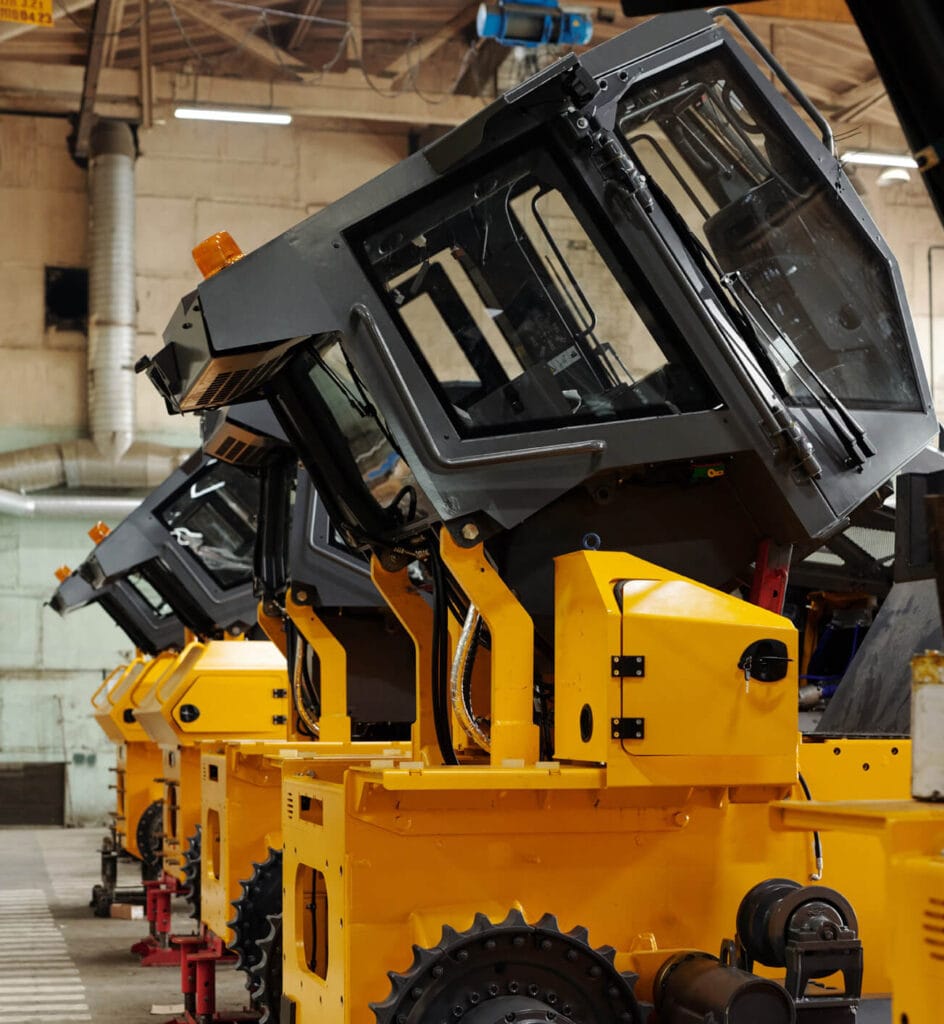
Wenn mehrere Stapleraufsätze geeignet erscheinen, kann eine gewichtete Bewertung verhindern, dass die Entscheidung auf einem attraktiven Merkmal beruht.
Die folgende Bewertungsmethode ist eher ein origineller praktischer Rahmen als eine Zertifizierungsformel.
Schritt 1: Obligatorische Tore einrichten
Ein Kandidat sollte vor der Wertung abgelehnt werden, wenn er eine zwingende Anforderung nicht erfüllt:
- Verifizierte Gabelstaplerkompatibilität
- Akzeptable Restkapazität
- Sicherer Lasteingriff
- Geeignete hydraulische Konfiguration
- Angemessene Betriebsfreigabe
- Verfügbare technische Dokumentation
Sicherheit und Kompatibilität sollten niemals gegen Produktivitätspunkte eingetauscht werden.
Schritt 2: Gewicht der operativen Prioritäten
Eine typische Bewertung könnte diese Kategorien verwenden:
- Laststeuerung: 25%
- Kompatibilität mit Gabelstaplern: 20%
- Produktivitätssteigerung: 15%
- Sichtbarkeit: 15%
- Wartungszugang: 10%
- Flexibilität über die Lastgrößen: 10%
- Einfachheit des Bedieners: 5%
Die Prozentangaben sollten Ihren Arbeitsablauf widerspiegeln Ein fragiler Lastbetrieb weist der Laststeuerung möglicherweise mehr Gewicht zu, während ein Hochfrequenzpalettenbetrieb möglicherweise der Ausrichtungsgeschwindigkeit und -sichtbarkeit Priorität einräumt.
Schritt 3: Bewerten Sie jeden Kandidaten
Bewerten Sie jeden Anhang für jede Kategorie von eins bis fünf. Multiplizieren Sie die Punktzahl mit dem Kategoriegewicht und vergleichen Sie die Summen.
Behandeln Sie die höchste Punktzahl nicht als automatische endgültige Entscheidung Verwenden Sie sie, um Kompromisse und Fragen zu identifizieren, die einer weiteren Überprüfung bedürfen.
Schritt 4: Führen Sie eine kontrollierte Studie durch
Testen Sie die vorgeschlagene Konfiguration, sofern möglich, mit repräsentativen Lasten und geschultem Personal.
Beobachten:
- Belastungseingriffszeit
- Anzahl der LKW-Neupositionierungsbewegungen
- Sichtbarkeit an kritischen Punkten
- Lastbewegung während der Fahrt
- Platzierungsgenauigkeit
- Kontrollreaktion
- Hydraulische Temperatur
- Schlauchbewegung
- Produktkennzeichnung oder - beschädigung
- Bedienerarbeitsbelastung
Ein kurzer Versuch mit falscher Prüflast hat nur begrenzten Wert Nutzen Sie die schwierigen Belastungen, die bei der ersten Belastungsuntersuchung festgestellt wurden.
Überprüfen Sie die Produktivität, ohne die Betriebsfitness zu ignorieren
Die besten Stapleraufsätze verbessern den kompletten Handlingzyklus, nicht nur eine Bewegung.
Beispielsweise kann ein Gabelpositionierer die manuelle Gabeleinstellung reduzieren, der Gesamtvorteil hängt jedoch davon ab, wie oft sich die Lastbreiten ändern. Ein Seitenschieber kann die Neupositionierung von Lastkraftwagen reduzieren, sein Wert ist jedoch niedriger, wenn Lasten in weiten, offenen Räumen mit geringer Platzierungspräzision gehandhabt werden.
Bewerten Sie den gesamten Zyklus:
- Nähern Sie sich der Last.
- Richten Sie den Aufsatz aus.
- Die Last einschalten.
- Sichern oder unterstützen Sie es.
- Lift und Reisen.
- Positionieren Sie es am Zielort.
- Lösen Sie die Last.
- Rückkehr für den nächsten Zyklus.
Eine Befestigung, die beim Eingreifen Zeit spart, aber das Lösen verlangsamt oder die Sicht behindert, verbessert möglicherweise nicht den gesamten Prozess.
Es ist auch möglich, einen Aufsatz zu stark anzugeben Zusätzliche Funktionen erhöhen das Gewicht, Steuerungen, hydraulische Anschlüsse, Inspektionspunkte und Bedienerentscheidungen Wählen Sie die einfachste Konfiguration, die die erforderlichen Arbeiten sicher erledigt.
Überprüfen Sie Wartungs- und Serviceanforderungen
Wartungsanforderungen sollten vor dem Kauf berücksichtigt werden, nicht erst, nachdem sich ein Problem entwickelt hat.
Tägliche Inspektionspunkte
Je nach Konstruktion sollten Bediener Folgendes prüfen:
- Montagehaken und Schlösser
- Gabel oder Arme
- Schweißnähte und Strukturelemente
- Stifte und Halterungen
- Hydraulische Schläuche und Armaturen
- Zylinder
- Kontaktpads
- Lager und Buchsen
- Ketten oder Führungen
- Etiketten und Kapazitätsinformationen
- Ungewöhnliche Bewegung oder Leckage
Der Aufsatz sollte nicht verwendet werden, wenn Beschädigungen, übermäßiger Verschleiß, lockere Montage, unkontrollierte Bewegung oder hydraulische Leckagen den sicheren Betrieb beeinträchtigen.
Verschleißkomponenten
Klemmen, Positionierer, Seitenschieber und Rotatoren enthalten Komponenten, die sich unter Last bewegen. Polster, Schlitten, Buchsen, Lager, Dichtungen und Schläuche müssen möglicherweise regelmäßig ausgetauscht werden.
Fragen Sie, ob diese Komponenten überprüft und ersetzt werden können, ohne nicht verwandte Teile des Aufsatzes zu demontieren.
Technische Dokumentation
Nützliche Dokumentation sollte Folgendes umfassen:
- Anlagenkennzeichnung
- Nennkapazität
- Last-zentrum-bedingungen
- Montageanleitung
- Hydraulische Anforderungen
- Inspektionsführung
- Schmierstellen
- Verschleißgrenzen
- Teile Informationen
- Zugelassene Betriebsverfahren
Für ungewöhnliche Lasten oder individuelle Konfigurationen, Technische Anbauberatung Es sollte auf dem Gabelstaplermodell, den Wagenabmessungen, hydraulischen Informationen, Lastzeichnungen, der Arbeitshöhe und der Handhabungssequenz basieren und nicht nur auf einem Produktnamen. Auswahlverfahren für die Befestigung eines Gabelstaplers
Ein wiederholbarer Prozess erleichtert die Dokumentation der Auswahl und verringert das Risiko, eine wichtige Anforderung zu verpassen.
Schritt 1: Dokumentieren Sie die Ladungen
Zeichnen Sie Abmessungen, Gewichte, Oberflächen, Verpackungen, Schwerpunkt- und Lastschwankungen auf.
Schritt 2: Kartieren Sie den Handhabungszyklus
Beschreiben Sie, wie die Ladung gesammelt, transportiert, gestapelt, gedreht, entleert, ausgerichtet und freigegeben wird.
Schritt 3: Notieren Sie Gabelstapler-Spezifikationen
Sammeln Sie das Gabelstaplermodell, die Nennkapazität, die Lastmitte, den Masttyp, die Hubhöhe, die Wagenabmessungen, die Gabelabmessungen, die hydraulischen Funktionen und die Kapazitätsdokumentation.
Schritt 4: Shortlist-Anhangarten
Wählen Sie die zum Lastproblem passende Befestigungsfunktion Vermeiden Sie das Hinzufügen von Funktionen, die nichts mit dem Workflow zu tun haben.
Schritt 5: Überprüfen Sie Kompatibilität und Restkapazität
Überprüfen Sie die komplette Gabelstapler-, Anbau- und Lastkombination. Verlassen Sie sich nicht auf die ursprüngliche Nennleistung des Gabelstaplers.
Schritt 6: Überprüfen Sie die Sichtbarkeit und Freigabe
Überprüfen Sie die Konfiguration in tatsächlichen Gängen, Türen, Regalen, Plattformen und Stapelpositionen.
Schritt 7: Führen Sie einen repräsentativen Prozess durch
Verwenden Sie schwierige und typische Lasten Erfassen Sie die Handhabungsleistung, anstatt sich nur auf die Eindrücke des Bedieners zu verlassen.
Schritt 8: Abschluss von Dokumentation und Schulung
Aktualisieren Sie Betriebsanweisungen, Inspektionspunkte, Kapazitätsinformationen und Bedienerschulungen für die endgültige Konfiguration.
Schritt 9: Überwachen Sie den frühen Betrieb
Überprüfen Sie während der ersten Betriebsperiode Verschleiß, Schlauchbewegung, Lastschaden, hydraulische Temperatur, Bedienerrückmeldung und Zykluskonsistenz.
Häufige Fehler bei der Auswahl der Gabelstaplerbefest
Auswahl nach Anhang Name Allein
Zu wissen, dass man eine Klemme oder einen Seitenschieber benötigt, reicht nicht aus Öffnungsbereich, Druck, Kapazität, Rahmentiefe, Montage, Belastungszustand bestimmen, ob der Aufsatz geeignet ist.
Restkapazität ignorieren
Die ursprüngliche Kapazität des Gabelstaplers bleibt nach dem Einbau eines Aufsatzes nicht automatisch verfügbar.
Unter der Annahme universeller Kompatibilität
Ähnlich aussehende Wagen und Gabeln können unterschiedliche Abmessungen oder Montagedetails haben.
Sicht übersehen
Ein Aufsatz kann korrekt funktionieren und gleichzeitig eine präzise Lastverteilung erschweren.
Auswahl eines Aufsatzes für inkompatible Lasten
Ein sehr variabler Lastbereich kann verstellbare Kontaktflächen, austauschbare Komponenten oder mehr als eine Befestigung erfordern.
Den gesamten Zyklus nicht berücksichtigen
Die Verbesserung einer Bewegung garantiert keine bessere Gesamtproduktivität.
Operatoreingabe überspringen
Betreiber können Sichtbarkeitsbeschränkungen, Kontrollschwierigkeiten, instabile Verpackungen und Workflow-Ausnahmen erkennen, die möglicherweise nicht in technischen Spezifikationen enthalten sind.
Das Feedback des Betreibers sollte die technische Überprüfung unterstützen und nicht ersetzen.
Schlussfolgerung
Die Wahl von Gabelstapleraufsätzen ist eine Lastmanagemententscheidung und nicht nur eine Produktauswahlentscheidung.
Beginnen Sie mit der Dokumentation der Last und des gesamten Handhabungszyklus. Überprüfen Sie dann die Restkapazität, den Lastmittelpunkt, die Wagenkompatibilität, die hydraulischen Anforderungen, die Betriebsfreiheit, die Sicht, die Laststabilität, den Wartungszugang und die Bedienersteuerungen.
Der am besten geeignete Aufsatz ist nicht unbedingt derjenige mit den meisten Funktionen. Es ist die Konfiguration, die die tatsächliche Last sicher steuert, richtig zum Gabelstapler passt, am tatsächlichen Arbeitsplatz eine konstante Leistung erbringt und praktisch in der Inspektion und Wartung bleibt.
Eine Last-zu-erst-Bewertung, unterstützt durch technische Dokumentation und einen kontrollierten Versuch, liefert Ihnen ein weitaus zuverlässigeres Ergebnis als die Auswahl allein nach Befestigungstyp.
FAQ
Sind Gabelstapleraufsätze universell?
Nr. Die Kompatibilität hängt von den Wagenabmessungen, dem Montagestil, der Gabelgröße, den hydraulischen Funktionen, der Kapazität, der Mastkonfiguration und dem Betriebsspiel ab. Selbst Gabelstapler mit ähnlichen Nennkapazitäten erfordern möglicherweise unterschiedliche Montageanordnungen oder Befestigungsspezifikationen.
Reduzieren Gabelstapleraufsätze die Hubkraft?
Sie reduzieren häufig die nutzbare Kapazität, da die Befestigung das Gewicht erhöht und die Lastmitte möglicherweise weiter nach vorne bewegt. Die Restkapazität sollte vor dem Betrieb für die vollständige Konfiguration aus Gabelstapler, Anbaugerät, Lastzentrum, Mast und Hubhöhe überprüft werden.
Woher weiß ich, welcher Gabelstapleraufsatz zu meinem Gabelstapler
Sammeln Sie das Gabelstaplermodell, die Wagenklasse und -abmessungen, die Gabelmaße, die Nennkapazität, die Lastmitte, die Hubhöhe, den Masttyp und die hydraulischen Informationen. Diese Details sollten zusammen mit den Befestigungsabmessungen und den tatsächlichen Lastdaten überprüft werden.
Welcher Gabelstapleraufsatz eignet sich für Lasten unterschiedlicher Breite?
Ein Gabelpositionierer kann palettierten oder unterstützten Lasten mit sich ändernden Breiten standhalten, während für Lasten, die von den Seiten aus gehandhabt werden, eine einstellbare Klemme erforderlich sein kann. Die richtige Wahl hängt von den Stützpunkten, der Belastungsstärke, dem Breitenbereich und der Stabilität ab.
Wie oft sollten Gabelstapleraufsätze geprüft werden?
Bediener sollten vor der Verwendung eine visuelle und funktionale Kontrolle durchführen, während detaillierte Inspektionen den Anweisungen des Herstellers, dem Arbeitszyklus, der Arbeitsumgebung und den geltenden Anforderungen folgen sollten. Hochzyklus- oder raue Anwendungen erfordern möglicherweise häufigere Kontrollen.