Inhaltsverzeichnis
Blank forklift forks must be specified around a real installation. In OEM projects that require a customer-specific mounting interface, the purchasing question is how blank forks for custom mounting should satisfy maintenance records and replacement planning. This guide focuses on that decision and the evidence a buyer should collect before releasing work. It does not assign a new machine capacity or claim a universal service interval.
The review of blank forklift forks should begin with unfinished mounting area, final machining allowance, heat-treatment condition. A clear drawing, known host configuration and an agreed acceptance plan make the supplier conversation more useful. The following checks explain how to turn those inputs into a documented decision.
Definieren Sie genau, was der Rohling für Leerstaplergabeln enthält
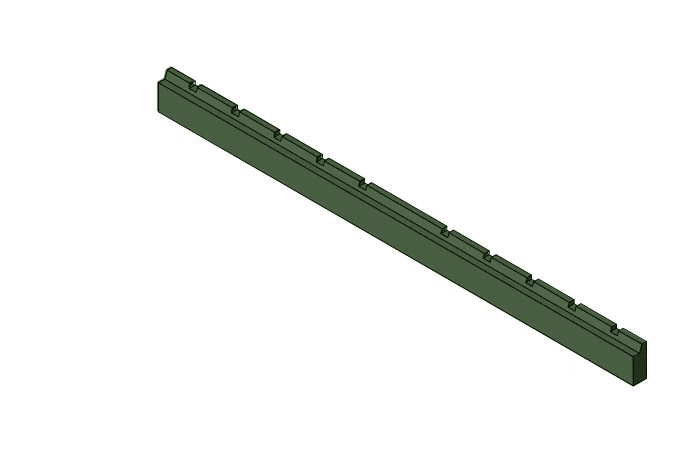
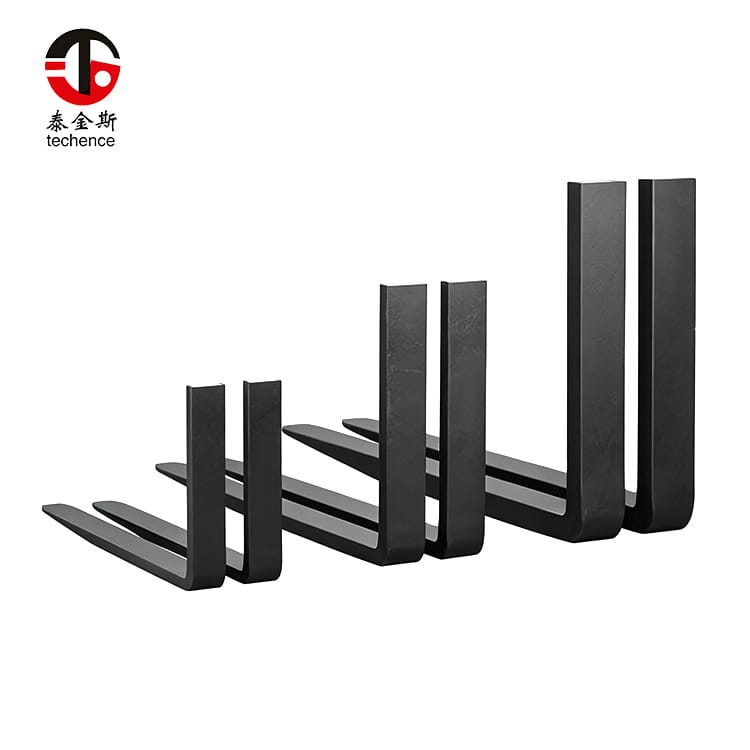
For buyers evaluating blank forklift forks, the word blank can describe different stages of manufacture. One supplier may offer a formed and treated fork with an unfinished mounting area; another may offer a component that still requires substantial processing. Specify the delivery state of the blade, heel, upright and mounting region. Mark finished surfaces and surfaces reserved for later machining on the same drawing. Without that distinction, two apparently similar quotations may include very different work scopes.
Reservieren Sie Material, ohne die endgültige Geometrie für Leerstaplergabeln zu verbergen
When specifying blank forklift forks, machining allowance must be tied to a final dimension and an inspection datum. Extra material is not automatically useful if it lies on the wrong side of a required interface. Explain how the customer will locate and hold the component during machining, which faces must remain flat, and which dimensions will be inspected after completion. A mutually approved manufacturing drawing reduces the risk that a blank meets its own dimensions but cannot become the intended finished part.
Kontrollieren Sie die Folgen einer späteren Verarbeitung für Leerstaplergabeln
In a review of blank forklift forks, machining, welding and local heating can affect a load-bearing component. Do not treat an unfinished mounting region as permission to make arbitrary modifications. Agree which downstream operations are permitted and who is responsible for their qualification and final verification. If heat treatment occurs before the customer adds an interface, discuss the effect of subsequent processing with the responsible engineer. The final fork assembly needs its own identified rating basis.
Geteilte Abnahme an der Übergabestelle für Leerstaplergabeln
For a project involving blank forklift forks, the supplier should certify the work actually performed, and the customer's completion record should cover the remaining operations. Keep material identity through cutting, machining and assembly so that the finished part can be traced back to the blank. Record the condition at receipt before removing material. Where several blank variants look alike, use durable identification outside critical contact surfaces and preserve the approved revision in the work order. A successful trial fit does not replace the final inspection plan.
Legen Sie die Servicegrundlage für Leerstaplergabeln fest
For buyers evaluating blank forklift forks, replacement planning for blank forklift forks works best when the original installed condition is documented. Retain the accepted drawing, component identification, equipment configuration and receiving inspection. For OEM projects that require a customer-specific mounting interface, keep the key references accessible: unfinished mounting area, final machining allowance, heat-treatment condition. Record the approved maintenance guidance and the people responsible for inspection. A future buyer should not have to reconstruct the part from a damaged component after the equipment has already stopped. The baseline should describe the intended new condition and the actual accepted installation.
When specifying blank forklift forks, keep operating observations tied to the specific unit or assembly. Useful records include the application, observed condition, inspection date and the action taken. Where operating hours or cycle information is available, preserve it with a clear source and definition. Do not estimate a service-life figure from a small number of incomplete observations. The purpose of the record is to detect change and support a competent decision, not to manufacture a precise replacement interval without evidence. Follow the equipment and component manufacturer's requirements for inspection and removal from service.
Überprüfen Sie Gabelstaplergabeln mit gültigen Referenzen
When specifying blank forklift forks, inspection of blank forklift forks should use the correct original geometry and the manufacturer's defined assessment method. A measurement taken from an arbitrary location may not be comparable with the drawing or previous results. Clean and access the relevant surfaces using the approved maintenance procedure. Record actual observations and measurement locations so that another competent person can reproduce the assessment. A polished appearance is not evidence of sound condition, and dirt or coating can conceal damage. Where a condition is uncertain, remove the item from the relevant service for assessment as the procedure requires.
In a review of blank forklift forks, avoid unapproved repairs intended to recover appearance or fit. Heating, welding, grinding, drilling and changing retainers can alter a critical component or its interface. Ask the responsible manufacturer or engineer to assess the proposed work and define any required verification. A repair that makes a part fit again does not automatically restore its original rating or geometry. Keep the repair disposition, work performed and final evidence with the unit's record. If a component is condemned, prevent it from being mixed with serviceable stock or used as an approved dimensional master.

Planen Sie vor Ausfallzeiten einen Austausch für Leerstaplergabeln ein
In a review of blank forklift forks, the replacement record for blank forklift forks should include more than a purchasing description. Store the part number, drawing revision, mating assembly, supplied scope and any approved alternatives. Check that the current host equipment still matches that record before ordering. A previous retrofit or attachment change may have made an older spare unsuitable. For critical equipment, discuss stocking strategy using confirmed lead times, demand history and the consequences of an unavailable part. Do not promise a universal spare quantity; the appropriate policy depends on the operation and the evidence available.
Lagerersatzteile wie angegeben prüfen und ihre Kennzeichnungs - und Schutzverpackung aufbewahren Schwerteile benötigen eine stabile Lageranordnung, während hydraulische Anschlüsse und Präzisionsschnittstellen einen geeigneten Kontaminationsschutz benötigen Notieren Sie jede Bewegung oder Ausgabe des Ersatzmaterials, damit die Bestandsdaten zuverlässig bleiben Wenn ein Ersatzteil installiert ist, verknüpfen Sie es mit der Ausrüstung und aktualisieren Sie die Servicegrundlage. Ein Ersatzteil, der über einen langen Zeitraum ungenutzt geblieben ist, benötigt vor der Inbetriebnahme noch seine entsprechenden Zustands - und Kompatibilitätsprüfungen. Verfügbarkeit allein stellt keine Betriebsbereitschaft her.
Untersuchen Sie die Ersatznachfrage nach wiederkehrenden leeren Gabelstaplergab
Repeated replacement of blank forklift forks should prompt a review of the application and connected system. Compare the location and nature of damage, the operating conditions and the inspection history. The cause may involve an interface, loading practice, contamination, alignment or another component. Buying a stronger-looking substitute without understanding the pattern can shift the problem elsewhere. Preserve evidence and ask the responsible technical team to assess the actual mechanism. Separate confirmed causes from hypotheses in the report.
Nutzen Sie die Untersuchung, um die kontrollierte Spezifikation oder Betriebsanordnung gegebenenfalls zu aktualisieren Wenn eine Konstruktionsänderung vorgeschlagen wird, wenden Sie die erforderlichen technischen Überprüfungen, Gerätegenehmigungs - und - abnahmeschritte an Halten Sie die alten und neuen Revisionen in den Bestands - und Wartungsaufzeichnungen unterscheidbar Teilen Sie die praktischen Identifikations - und Inspektionsänderungen mit den Personen, die diese Aufzeichnungen verwenden Ein guter Lebenszyklusprozess macht jeden Austausch besser informiert: Das Team versteht die installierte Konfiguration, kann ein geeignetes Teil identifizieren und verfügt über Beweise für die Entscheidung, ob die Anwendung selbst geändert werden muss.
Ein praktisches Review-Beispiel für Blanko-Gabelstapler
Consider an illustrative procurement review for OEM projects that require a customer-specific mounting interface. The buyer has an existing installation, a drawing marked revision A and a supplier proposal marked revision B. No production result or customer case is implied by this example. The first review question is whether unfinished mounting area, final machining allowance, heat-treatment condition are stated on both drawings using the same reference convention. Put the confirmed requirement, proposed value and evidence beside each other. An omitted dimension remains an open question; it does not become acceptable merely because the rest of the drawing appears similar.
For blank forklift forks, suppose the proposal changes one interface while retaining the advertised product name. Ask the supplier to identify the change and its effect on the mating assembly. If the difference changes fit, support or motion, obtain the responsible technical assessment before release. If it is accepted, issue a revised controlled drawing and carry that revision into the order, receiving record and equipment file. This example shows a decision method, not a universal dimensional limit or a substitute for equipment approval.
Entscheidung und Beweisvergleich
| Entscheidungspunkt | Unvollständige Basis | Beweise zu verlangen |
|---|---|---|
| Anwendung | Produktname allein | OEM projects that require a customer-specific mounting interface |
| Kritische Schnittstellen | Gesamtgröße oder Foto | unfinished mounting area, final machining allowance, heat-treatment condition |
| Kompatibilität | Es passt bei einer unbeladenen Kontrolle | Genehmigte Zeichnung und Überprüfung der Hostkonfiguration |
| Fertigungsumfang | Gattungsanspruch | Spezifiziertes Material, Verarbeitung und rückverfolgbare Inspektion |
| Freigabe | Eine informelle Nachricht | Akzeptierte Überarbeitung, dokumentierte Abweichungen und Empfangsdatensatz |
Für den allgemeinen Arbeitsplatzkontext konsultieren Sie die UK HSE-Lift-Truck-Leitung. Seine Arbeitsplatzberatung ergänzt die Ausstattungshinweise; dieser Link bescheinigt kein 1TP4 T-Produkt und ersetzt auch keine anwendungsspezifische technische Zulassung.
Überprüfen Sie Techences blank fork product page, Dann Senden Sie Techence Ihre Zeichen - und Anwendungsanforderungen Zur Bestätigung des vorgeschlagenen Geltungsbereichs.
To discuss blank forklift forks, prepare the current drawing revision, quantity, host equipment details and the evidence needed for maintenance records and replacement planning. Ask Techence to confirm the available configuration and identify any assumptions before quotation or production release.
Häufig gestellte Fragen
What information is needed for blank forklift forks in this application?
Provide the host equipment identity, a current drawing and a description of OEM projects that require a customer-specific mounting interface. Identify unfinished mounting area, final machining allowance, heat-treatment condition, the supplied scope and any unknown requirements. Distinguish original design values from measurements taken from a worn part. The supplier can then confirm the proposal against a defined interface instead of guessing from the product name.
Can a matching size prove that blank forklift forks is compatible?
No. Overall size is only one comparison. For blank forks for custom mounting, check unfinished mounting area, final machining allowance, heat-treatment condition and the effect on connected components, load geometry or motion. Material condition and approved operating requirements also need the appropriate evidence. A controlled fit assessment supports the decision but does not establish the capacity of the complete machine.
Which records should accompany blank forklift forks?
Keep the approved drawing revision, component identification, agreed inspection results and any required functional or test records together. The evidence should identify the delivered unit or set and state the scope actually checked. For blank forks for custom mounting, retain the mating-assembly information so that later replacements can reproduce the approved configuration.
When should the blank forks for custom mounting application be reviewed again?
Review a change in host equipment, intended load, support arrangement, installation envelope or operating requirements that affects the approved configuration. Pay particular attention to unfinished mounting area, final machining allowance, heat-treatment condition. A substitute part or revised supplier drawing also needs assessment against the controlled requirement. The equipment owner and responsible engineer should resolve the affected interfaces before release.
How can a buyer request a quotation for blank forklift forks?
Send Techence the application description, drawing, quantity, equipment details and documentation requirements. State that the inquiry concerns blank forks for custom mounting and maintenance records and replacement planning. Ask the team to identify assumptions and proposed alternatives explicitly. Confirm the final drawing and scope before manufacture; published category information alone cannot determine the correct configuration for every installation.