«: Pasos simples y prácticos para mantener las horquillas de su montacargas en óptimas condiciones y evitar reemplazos costosos.
Las horquillas para montacargas están diseñadas para durar, pero aún necesitan cuidados regulares para funcionar al máximo. Descuidar el mantenimiento puede provocar un desgaste prematuro, una seguridad reducida y reemplazos inesperados que interrumpen sus operaciones. Como fabricantes de horquillas con más de 20 años de experiencia, hemos visto cómo un mantenimiento adecuado puede duplicar la vida útil de un juego de horquillas. En este blog, compartimos consejos de expertos para ayudarlo a extender la vida útil de sus horquillas Techence, mejorar la seguridad y ahorrar dinero en reparaciones.
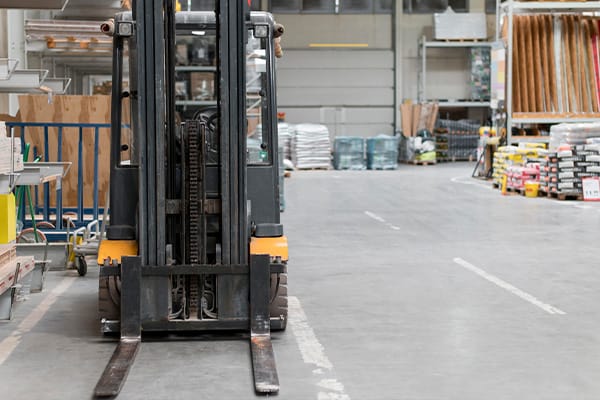
Primero, comience con inspecciones visuales diarias. Antes de cada turno, los operadores deben revisar rápidamente sus horquillas para detectar signos de daño o desgaste. Busque grietas, especialmente cerca de las puntas del talón y la horquilla, donde la tensión es mayor. Compruebe si hay horquillas dobladas o torcidas, que pueden deberse a sobrecarga o choque con obstáculos. Además, inspeccione los ganchos de la horquilla y el soporte del carro en busca de desgaste, ya que los ganchos sueltos o dañados pueden hacer que las horquillas se resbalen durante el funcionamiento. Si nota alguno de estos problemas, deje el montacargas fuera de servicio inmediatamente. Nunca use horquillas dañadas, ni siquiera para cargas ligeras. Para horquillas Techence, proporcionamos una lista de verificación de inspección detallada en nuestro manual del usuario para que las revisiones diarias sean rápidas y fáciles.
A continuación, evite sobrecargas y uso inadecuado. Las horquillas para montacargas están clasificadas para capacidades de carga específicas, y exceder este límite es una de las formas más rápidas de dañarlas. Incluso la sobrecarga temporal puede provocar una flexión o debilitamiento permanente del metal. Los operadores también deben evitar el uso de horquillas como palanca, ariete o para levantar cargas descentradas, ya que estas prácticas ejercen una tensión desigual en las horquillas. En Techence, marcamos cada horquilla con su capacidad de carga y centro de carga, para que los operadores puedan verificar fácilmente que están usando la horquilla adecuada para el trabajo. Para aplicaciones personalizadas, nuestro equipo puede ayudarlo a seleccionar horquillas con una capacidad de carga más alta si maneja regularmente cargas pesadas o desiguales.
La limpieza y lubricación regulares también contribuyen en gran medida a prolongar la vida útil de la horquilla. La suciedad, los residuos y los materiales corrosivos (como sal o productos químicos) pueden desgastar las superficies de la horquilla y causar óxido, especialmente en ambientes exteriores o industriales. Después de su uso, limpie las horquillas con un cepillo o un limpiador a presión para eliminar la acumulación y luego séquelas bien para evitar la corrosión. Lubrique las piezas móviles como el soporte del carro y los ganchos de la horquilla con un lubricante de alta calidad para reducir la fricción y el desgaste. Para horquillas Techence con revestimientos especiales (como acabados anticorrosión o resistentes al desgaste), evite el uso de productos químicos de limpieza fuertes que puedan dañar el revestimiento.
Programe inspecciones profesionales a intervalos regulares. Si bien las comprobaciones diarias detectan problemas obvios, las inspecciones profesionales realizadas por un técnico calificado pueden identificar problemas ocultos como grietas internas o fatiga del metal que no son visibles a simple vista. La mayoría de las normas de seguridad exigen inspecciones anuales de las horquillas, pero si utiliza su carretilla elevadora en condiciones difíciles (como minería o construcción), recomendamos inspecciones cada 6 meses. Durante estas inspecciones, los técnicos también pueden medir el grosor de la horquilla y comprobar si hay desgaste más allá de los límites del fabricante. Si sus horquillas están desgastadas en más de 10% de su espesor original, es hora de reemplazarlas, incluso si se ven bien. Techence ofrece horquillas de repuesto y servicios de reparación para que pueda volver a trabajar rápidamente.
Finalmente, guarde las horquillas adecuadamente cuando no estén en uso. Si tiene horquillas o accesorios de repuesto, guárdelos en un área seca y cubierta para evitar que se oxiden y dañen. Evite apilar objetos pesados encima de las horquillas, que pueden provocar que se doblen. Cuando guarde horquillas en el montacargas, bájelas al suelo e incline el mástil hacia adelante para reducir la tensión en el carro. Para un almacenamiento prolongado, aplique una capa ligera de aceite antioxidante en las superficies de la horquilla para protegerlas de los elementos.
Siguiendo estos sencillos consejos de mantenimiento, podrá mantener sus horquillas para montacargas en óptimas condiciones en los años venideros. En Techence, diseñamos nuestras horquillas para mayor durabilidad, pero el cuidado adecuado es la clave para maximizar su vida útil. Si tiene preguntas sobre el mantenimiento de sus horquillas Techence o necesita ayuda para encontrar piezas de repuesto, nuestro equipo de atención al cliente está aquí para ayudarlo. Comuníquese con nosotros hoy para obtener asesoramiento personalizado de nuestros expertos en mantenimiento.