Índice
Introdução
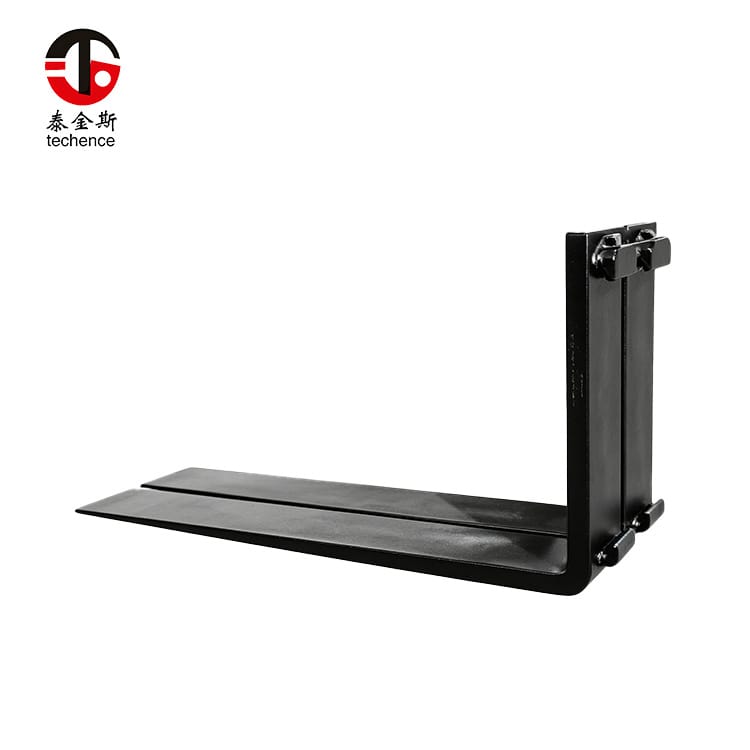
A entrada do garfo é um dos movimentos mais curtos em um ciclo de manuseio de empilhadeira, mas pode determinar se o resto do ciclo é suave, lento ou inseguro Quando as aberturas dos paletes são baixas, as placas de suporte estão bem espaçadas ou o ângulo de aproximação é difícil de controlar, uma ponta grossa do garfo pode atingir o palete em vez de entrar abaixo da carga.
Os garfos cônicos completos são projetados para resolver esse problema Suas lâminas reduzem gradualmente em espessura em direção a uma ponta relativamente fina, criando um perfil de entrada mais baixo do que muitos projetos convencionais de garfos Essa geometria pode ajudar os operadores a entrar em aberturas restritas de paletes com menos contato, menos correções de alinhamento e menos perturbação da carga.
No entanto, selecionar Full Taper Forks não é simplesmente uma questão de escolher a ponta mais fina disponível Os garfos ainda precisam suportar a carga, combinar com o carro da empilhadeira, manter a capacidade adequada, resistir ao ciclo de trabalho real e se encaixar no ambiente de trabalho.
Antes de selecioná-los, você deve responder a cinco perguntas práticas:
- Quanta folga vertical está disponível no ponto de entrada de carga?
- Onde a carga será posicionada ao longo da lâmina do garfo?
- Qual é o peso máximo da carga e o centro de carga?
- A seção da forquilha combina com o carro e a capacidade da empilhadeira?
- O ambiente operacional exporá as pontas dos garfos a impactos repetidos?
Este guia explica quando os Full Taper Forks são apropriados, como eles diferem dos perfis de garfo padrão, quais especificações são importantes e como inspecioná-los durante o serviço.
O que são garfos cônicos completos?
Full Taper Forks são braços de empilhadeira com um perfil de lâmina que se torna progressivamente mais fino em direção à ponta ao longo de uma porção substancial do comprimento da lâmina.
A palavra “full” descreve a área de afilamento estendida Em vez de reduzir a espessura apenas perto da seção final da lâmina, a transição geralmente começa mais para trás, criando uma abordagem mais longa e suave para a ponta.
A empilhadeira usa seus braços de garfo para entrar por baixo, apoiar, levantar, transportar e colocar uma carga Como os garfos formam a conexão direta entre a empilhadeira e a carga, as mudanças na geometria da lâmina afetam a folga de entrada, o comportamento do suporte, a visibilidade do operador e a maneira como o contato ocorre durante o engate da palete.
Como funciona o perfil Full Taper
Uma lâmina de garfo convencional geralmente mantém grande parte de sua espessura original antes de afunilar perto da ponta Um design de conicidade completo reduz a espessura da lâmina mais gradualmente em uma distância maior.
Isto cria três efeitos práticos:
- A ponta pode entrar em uma abertura inferior.
- A transição da ponta para a lâmina principal é menos abrupta.
- O garfo pode deslizar sob uma carga suportada com contato vertical menos repentino.
O cone não cria capacidade de elevação adicional Seu principal objetivo é melhorar a geometria da entrada, preservando uma seção de suporte apropriada atrás da ponta.
Conicidade completa não significa afiada
Uma ponta de garfo fino não deve ser confundida com uma aresta de corte A ponta ainda precisa de forma de aresta, largura, condição de superfície e integridade estrutural suficientes para o manuseio industrial.
Uma ponta excessivamente afiada ou danificada pode capturar embalagens, dividir paletes ou criar contato concentrado. Um cone funcional deve fornecer entrada controlada em vez de atuar como uma cunha que danifica a estrutura de suporte de carga.
Por que a geometria do garfo é importante
A seleção do garfo é frequentemente reduzida à capacidade e ao comprimento, mas a geometria da lâmina pode ser igualmente importante.
Dois garfos com o mesmo comprimento nominal podem se comportar de maneira diferente devido a variações em:
- Espessura da ponta
- Comprimento da ponta
- Posição inicial cônica
- Espessura lâmina
- Largura lâmina
- Perfil inferior
- Raio calcanhar
- Acabamento superficial
O perfil correto depende tanto do espaço disponível para entrada quanto do suporte necessário após a inserção completa do garfo.
Quando garfos cônicos completos são a escolha certa
Os Full Taper Forks são mais úteis quando a folga de entrada é uma restrição operacional repetida, em vez de uma inconveniência ocasional.
Paletes de baixa folga
Algumas paletes e plataformas de carga fornecem espaço limitado entre a superfície de suporte inferior e o piso Uma ponta de garfo padrão pode entrar em contato com a placa de palete, embalagem ou terra antes de atingir a abertura pretendida.
Um perfil de entrada mais fino pode reduzir esse problema, particularmente quando o operador se aproxima em uma superfície nivelada e a estrutura do palete está em condições de manutenção.
Antes da seleção, meça a abertura real sob condições carregadas Uma palete pode fornecer folga adequada quando vazia, mas fique mais baixa depois que a carga fizer com que as placas ou suportes se desviem.
Suportes de carga bem espaçados
Certos recipientes, patins, armações e bases de manuseio têm membros de suporte posicionados perto do caminho de entrada A abertura disponível pode se tornar mais estreita mais dentro da carga.
Um cone mais longo pode ajudar a lâmina a progredir através da área de entrada mais gradualmente No entanto, a seção completa do garfo ainda deve caber entre os suportes após a inserção.
Entrada suave sob cargas delicadas
Quando um garfo atinge a borda de um palete ou base de suporte, o impacto pode deslocar mercadorias empilhadas, danificar embalagens ou perturbar uma carga instável.
Os garfos cônicos completos podem ajudar a reduzir o contato abrupto, desde que os garfos estejam corretamente alinhados e o operador entre a uma velocidade controlada.
Eles não eliminam a necessidade de embalagem adequada, empilhamento estável, espaçamento correto do garfo ou visibilidade adequada do operador.
Engajamento frequente de paletes
O valor operacional de uma entrada mais fácil aumenta quando as empilhadeiras engatam em paletes repetidamente durante um turno.
Uma pequena redução nas correções de alinhamento pode melhorar a consistência do ciclo completo de manuseio O benefício potencial é maior onde os operadores experimentam regularmente contato de ponta com aberturas de paletes adequadas.
Ângulos de aproximação restritos
Racks, contêineres, máquinas, plataformas ou mercadorias armazenadas nas proximidades podem limitar o ângulo de aproximação da empilhadeira O operador nem sempre pode ser capaz de alinhar os garfos perfeitamente antes da entrada.
Um perfil cônico pode fornecer maior tolerância à entrada, mas não deve ser usado para justificar um desalinhamento severo Carregamento lateral, torção e impacto permanecem prejudiciais ao garfo e ao palete.
Quando Full Taper Forks pode não ser a melhor opção
Uma ponta mais fina é útil apenas quando resolve um problema real de entrada sem criar uma condição operacional inadequada.
Ambientes de Impacto Severo
Operações envolvendo superfícies quebradas, paletes danificadas, detritos, condução descontrolada ou contato repetido com estruturas duras podem expor a ponta do garfo a impactos frequentes.
Em tais ambientes, o processo de seleção deve colocar maior ênfase na durabilidade da ponta, disciplina operacional, condição do palete e distância ao solo.
Um perfil cônico não pode compensar o uso indevido repetido.
Cargas transportadas perto das pontas do garfo
As cargas da empilhadeira geralmente devem ser posicionadas tão atrás em direção ao calcanhar do garfo quanto a carga e o arranjo do carro permitirem com segurança.
Se uma operação transporta regularmente cargas perto das pontas dos garfos, o problema deve ser investigado antes de selecionar um cone diferente As possíveis causas incluem
- Garfos que são muito curtos
- Carrega com pontos de suporte inacessíveis
- Inserção incompleta do garfo
- Aberturas de paletes obstruídas
- Procedimentos operacionais deficientes
- Orientação incorreta da carga
A seção mais fina perto da ponta destina-se principalmente à entrada Não deve se tornar a principal área de suporte de carga durante o transporte.
Aplicações de máxima rigidez
Algumas tarefas de manuseio priorizam a rigidez da lâmina, a resistência ao impacto e a profundidade da seção mais do que a entrada de baixo perfil.
Um cone padrão, garfo polido, design reforçado ou garfo específico da aplicação podem ser mais apropriados quando a folga de entrada é generosa, mas a carga é altamente concentrada ou o ambiente operacional é severo.
Paletes Danificadas
Os Full Taper Forks não devem ser selecionados como uma solução permanente para paletes quebradas, colapsadas ou mal construídas.
Um garfo mais fino pode entrar em algumas aberturas danificadas, mas também pode passar por baixo de tábuas soltas ou encontrar obstruções ocultas A condição do palete continua sendo um problema independente de segurança e qualidade.
Solo desigual
Quando a empilhadeira, palete ou carga repousa sobre uma superfície irregular, a altura de entrada disponível pode diferir de um lado para o outro.
Antes de alterar o design do garfo, determine se a condição do piso, a condição do pneu, a colocação do palete ou a inclinação do mastro estão criando o problema de entrada.
Garfos cônicos completos versus garfos cônicos padrão
Ambos os projetos podem ser adequados quando corretamente combinados com a carga A diferença reside principalmente em como e onde a espessura da lâmina reduz.
| Fator Comparação | Garfos Cônicos Completos | Garfos cônicos padrão |
|---|---|---|
| Área afilada | Estende-se por uma parte maior da lâmina | Concentrado mais próximo da ponta do garfo |
| Perfil de ponta | Geralmente projetado para menor folga de entrada | Geralmente fornece um perfil de entrada mais convencional |
| Comportamento de entrada | Transição gradual sob cargas de baixa folga | Adequado para aberturas de paletes padrão |
| Vantagem primária | Melhor acesso abaixo dos pontos de entrada restritos | Desempenho equilibrado de uso geral |
| Principal preocupação de seleção | Combinar a entrada de ponta fina com seção de suporte suficiente | A confirmação da ponta pode entrar na palete pretendida |
| Aplicação típica | Paletes baixas, apoios próximos, aberturas restritas | Manuseio geral de paletes e materiais |
| Riscos de uso indevido | Tratando a seção fina como a área de transporte principal | Forçar uma ponta mais espessa em uma abertura inadequada |
| Foco inspeção | Danos na ponta, desgaste cônico, espessura da lâmina, condição do calcanhar | Ponta, lâmina, calcanhar, ganchos e peças de travamento |
Desempenho Entrada
Os Full Taper Forks normalmente oferecem a maior vantagem prática durante o estágio inicial de engajamento.
Uma ponta mais fina requer menos espaço vertical para começar a entrar no palete A transição mais longa pode então guiar a lâmina principal sob a carga mais progressivamente.
Os garfos cônicos padrão podem ter um desempenho igualmente bom quando as aberturas dos paletes são consistentes e proporcionam folga adequada.
Rigidez da lâmina
A rigidez da lâmina depende de mais do que o nome do cone Espessura, largura, comprimento, material, tratamento térmico, posição de carga e qualidade de fabricação contribuem.
Um projeto de conicidade completo deve, portanto, ser avaliado usando sua aplicação nominal e perfil de seção transversal completo, e não comparando apenas a espessura da ponta.
Características de suporte de carga
Uma vez que o garfo esteja totalmente inserido, a carga deve ser suportada por uma área adequada da lâmina, em vez de concentrada nas pontas.
Se o palete ou ponto de suporte entrar em contato apenas com a seção cônica, revise o comprimento do garfo, a geometria do palete, a profundidade de inserção e a posição de carga.
Adequação de Aplicação
O perfil mais adequado é aquele que resolve a condição real de entrada e ao mesmo tempo satisfaz os requisitos de capacidade, compatibilidade, visibilidade, durabilidade e serviço.
Selecionar garfos cônicos completos onde não existe problema de liberação pode agregar pouco valor operacional.
Entenda a estrutura completa do garfo cônico
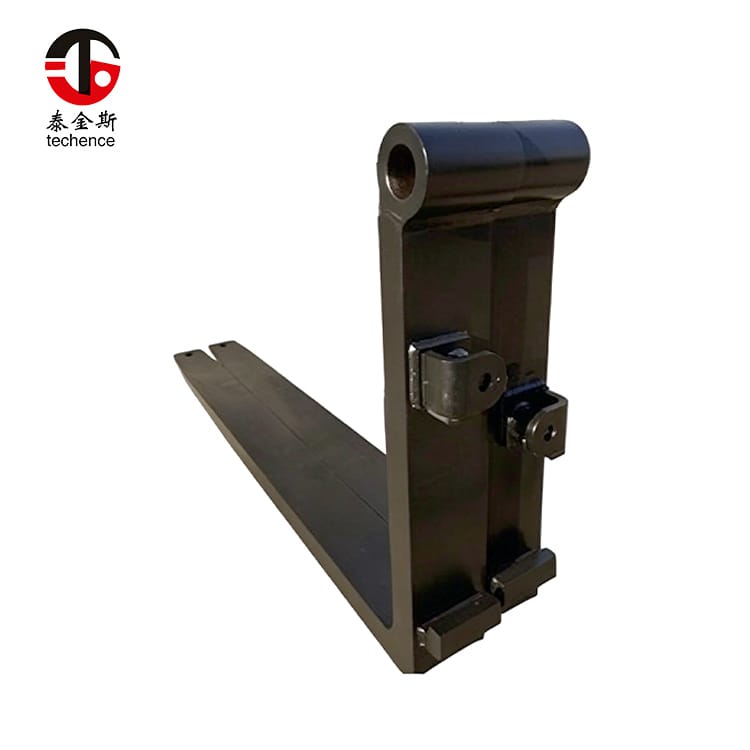
Cada seção de um fork executa uma função diferente Entender essas seções ajuda os compradores a descrever seus requisitos com precisão.
Ponta Garfo
A ponta é a extremidade dianteira que entra primeiro na palete ou na abertura de suporte de carga.
Características importantes da dica incluem:
- Espessura
- Largura
- Forma borda
- Condição superficial
- Comprimento da seção mais fina
- Transição para a lâmina
- Consistência da esquerda para a direita
Uma ponta fina com uma borda áspera, curvatura para cima ou canto danificado pode ter um desempenho pior do que uma ponta ligeiramente mais espessa com geometria precisa e uma superfície lisa.
Lâmina
A lâmina é a porção horizontal que suporta a carga Sua largura e espessura afetam a área de contato, rigidez, ajuste e desempenho avaliado.
A lâmina deve encaixar a abertura da palete sem criar uma folga excessiva que permita um suporte instável.
Salto
O calcanhar é a transição curva entre a lâmina horizontal e a haste vertical Ele transfere a carga da lâmina para a seção montada do garfo.
Como o calcanhar sofre tensões significativas, ele deve ser inspecionado quanto a rachaduras, deformação, desgaste e danos à superfície. A moagem ou reparo descontrolado nesta área pode alterar sua geometria e condição do material.
Pernil
A haste é a seção vertical conectada ao carro Sua altura, espessura, posições do gancho e arranjo de travamento devem corresponder à empilhadeira.
A haste também afeta a altura da lâmina em relação ao carro e ao piso.
Ganchos e componentes de travamento
Os garfos tipo gancho são fixados às barras superior e inferior do carro A trava do garfo impede o movimento lateral não intencional.
O ajuste correto do gancho deve fornecer um engate seguro sem frouxidão ou interferência excessiva Ganchos usados, barras de carro danificadas ou peças de travamento ausentes podem comprometer a montagem mesmo quando a lâmina está em boas condições.
Combine garfos cônicos completos com a carga
A carga deve determinar a especificação do garfo Comece com medições reais em vez de descrições nominais.
Carregar Peso
Registre a carga máxima esperada, incluindo mercadorias, palete, contêiner, embalagem, acessórios e qualquer material retido durante o manuseio.
Não selecione garfos apenas a partir da carga média Cargas pesadas ocasionais podem determinar a capacidade necessária.
A capacidade deve ser considerada para o par de garfos e a configuração completa da empilhadeira.
Carregar Dimensões
Medida:
- Largura de carga
- Profundidade de carga
- Altura da carga
- Largura de abertura da palete
- Altura de abertura da palete
- Distância entre os suportes de paletes
- Posição do centro de carga
- Profundidade de inserção necessária
A profundidade de carga é especialmente importante ao selecionar o comprimento do garfo.
Centro de carga
O centro de carga é a distância horizontal da face do garfo ou ponto de referência relevante ao centro de gravidade da carga.
À medida que essa distância aumenta, o efeito de giro para frente na empilhadeira também aumenta Uma carga longa ou inserção incompleta pode, portanto, reduzir a capacidade utilizável da configuração completa.
Uma ponta fina não altera este princípio A carga deve ainda ser posicionada corretamente ao longo da lâmina.
Altura de abertura do palete
Meça a abertura utilizável mais baixa, não a maior lacuna visível.
A medição deve levar em conta:
- Deflexão de paletes carregadas
- Placas de paletes irregulares
- Variação piso
- Embalagem que se estende abaixo da palete
- Detritos
- Suportes danificados
- Ângulo de aproximação do garfo
- Altura da ponta do garfo acima do chão
Uma pequena diferença entre a espessura da ponta e a folga do palete pode não ser suficiente quando a variação operacional real é considerada.
Distribuição Carga
Uma carga pode ter o peso total correto, mas distribui esse peso de forma desigual.
Materiais densos concentrados perto de um lado, movimento líquido, máquinas descentralizadas e componentes irregulares podem criar cargas desiguais entre os garfos.
Documentar o centro de gravidade em vez de assumir que está no centro geométrico.
Variação Carga
Revise cargas comuns e difíceis Uma pesquisa de carga útil inclui:
- A carga mais pesada
- A carga mais profunda
- A abertura mais baixa da pálete
- A palete mais flexível
- A embalagem mais frágil
- O centro de gravidade mais irregular
- O ponto de apoio menos acessível
Isso evita que um fork seja selecionado em torno de uma amostra ideal que não representa a operação diária.
Verifique a compatibilidade da empilhadeira e do transporte
Os garfos cônicos completos não são automaticamente compatíveis com todas as empilhadeiras.
Classe Carruagem
A classe de carro define dimensões de montagem importantes, incluindo a disposição do gancho e a relação carro-barra.
Confirme o transporte real em vez de confiar apenas na capacidade nominal da empilhadeira Os mastros e vagões podem ter sido alterados durante a vida útil da máquina.
Gancho Dimensões
As medições necessárias podem incluir:
- Abertura do gancho superior
- Posição do gancho inferior
- Distância entre ganchos
- Largura gancho
- Altura da haste
- Dimensões da barra de transporte
- Posição do pino de travamento
Um garfo que parece pendurado no carro ainda pode estar incorreto se os ganchos não assentarem totalmente.
Seção Garfo
A seção do garfo normalmente se refere à largura e espessura da lâmina. Essas dimensões afetam:
- Capacidade
- Rigidez
- Ajuste de palete
- Espaçamento entre garfos
- Visibilidade
- Peso
- Compatibilidade de transporte
Ao comparar Forks Full Taper, pergunte onde a espessura declarada é medida A ponta, a seção cônica e a lâmina principal não têm a mesma espessura.
Comprimento do garfo
O comprimento da forquilha deve fornecer suporte de carga adequado sem criar projeções desnecessárias além da carga.
Garfos muito curtos podem estimular o carregamento da ponta ou o suporte incompleto. Garfos desnecessariamente longos podem afetar manobras, condições do centro de carga, visibilidade e risco de contato com objetos atrás de um palete.
Espaçamento entre garfos
O espaçamento entre garfos deve suportar a carga uniformemente e combinar com as aberturas dos paletes.
Mover os garfos muito próximos pode reduzir a estabilidade lateral Movê-los muito distantes podem interferir no palete ou colocar o suporte sob áreas fracas.
Documentação Capacidade
A classificação do garfo, a classificação da empilhadeira, a configuração do mastro, o centro de carga, a altura do elevador e qualquer acessório instalado devem ser considerados em conjunto.
O limite mais baixo aplicável rege a operação Um garfo de alta capacidade não aumenta a capacidade de elevação aprovada da empilhadeira.
Use o método EntrySupportClearance Selection
Um Full Taper Fork pode ser avaliado com uma estrutura original de três partes: Entrada, Suporte e Liberação.
A compatibilidade e a capacidade continuam a ser portas obrigatórias antes da aplicação deste quadro.
Entrada
Pergunte se a ponta pode começar a entrar na abertura válida mais baixa da pálete sem golpear o assoalho, a placa da pálete, a embalagem, ou a estrutura do apoio.
Avaliar:
- Espessura da ponta
- Condição da borda da ponta
- Altura de aproximação
- Deflexão palete
- Nível piso
- Inclinação mastro
- Visibilidade
- Posicionamento operador
O objetivo é a entrada controlada, não a menor dimensão de ponta possível.
Suporte
Pergunte se a carga irá repousar sobre uma porção adequada da lâmina após a inserção completa.
Avaliar:
- Comprimento garfo
- Profundidade de carga
- Localização do ponto de apoio
- Posição do centro de carga
- Espaçamento entre garfos
- Largura lâmina
- Distribuição de carga
- Profundidade de inserção necessária
Um projeto que entra facilmente, mas deixa a carga apoiada perto das pontas, não resolveu o problema completo de manuseio.
Liberação
Pergunte se todo o fork pode se mover pelo caminho de operação sem interferência.
A liberação inclui mais do que a entrada da pálete Verifique:
- Espaço em torno dos suportes das paletes
- Distância terrestre
- Vigas rack
- Recolher carga
- Posição do carro
- Cargas próximas
- Portas
- Virando espaço
- Projeção do garfo atrás ou além da carga
Portão Compatibilidade Obrigatória
Antes de marcar entrada, suporte e liberação, confirme:
- Montagem correta do carro
- Capacidade adequada do garfo
- Capacidade adequada da empilhadeira
- Par de garfos correto
- Especificação apropriada do material e da fabricação
- Condição operacional aceitável
Um garfo que não cumpra qualquer um destes requisitos não deve ser aceite simplesmente porque a sua ponta se ajusta à palete.
Compare as especificações completas do garfo cônico
A tabela a seguir explica como as especificações comuns influenciam o desempenho.
| Especificação | O que Ele Controla | O que Verificar | Risco de Seleção Incorreta |
| Espessura da ponta | Autorização de entrada inicial | A abertura de palete mais baixa carregada e variação de aproximação | Impacto repetido ou redução desnecessária na seção da ponta |
| Comprimento cônico | Transição abaixo da carga | Localização dos suportes das paletes e distância de inserção necessária | A carga pode entrar em contato incorretamente com a área cônica |
| Espessura lâmina | Rigidez e contribuição de capacidade | Carga nominal, centro de carga, comprimento e material | Deflexão excessiva ou incompatibilidade |
| Largura lâmina | Contato de carga e ajuste lateral | Aberturas de paletes e resistência de suporte | Má adequação ou carregamento concentrado |
| Comprimento garfo | Profundidade do apoio da carga | Profundidade de carga e requisitos de inserção | Carregamento da ponta, projeção excessiva ou problemas de manobra |
| Geometria calcanhar | Transferência de estresse para a haste | Qualidade de fabricação e condição de inspeção | Aumento da concentração de stress |
| Altura da haste | Posição na carruagem | Dimensões do carro e disposição do mastro | Montagem incorreta ou altura da lâmina |
| Arranjo gancho | Conexão carro | Classe de transporte e dimensões reais da barra | Engajamento solto, incompleto ou impossível |
| Sistema bloqueio | Retenção lateral | Localização do pino de travamento e entalhes do carro | Movimento de garfo não intencional |
| Capacidade nominal | Condição de carga permitida | Capacidade por par, centro de carga e aplicação | Sobrecarga ou suposições incorretas |
| Peso garfo | Manuseio e configuração de caminhões | Método de instalação e revisão completa da capacidade | Montagem difícil ou características operacionais alteradas |
| Condição superficial | Comportamento de entrada e contato | Suavidade, escala, dano, e tratamento protetor | Danos na embalagem ou má inserção |
As especificações devem ser revisadas como um sistema Aumentar o comprimento, mantendo a mesma seção, por exemplo, pode alterar as condições de rigidez e capacidade A redução da espessura da ponta sem controlar a transição pode afetar a durabilidade e o contato com a carga.
Avaliar a Qualidade do Material e Fabricação
O perfil visível do garfo é apenas uma parte da qualidade do produto.
Seleção Material
O material da forquilha precisa de resistência, tenacidade, resistência à fadiga e resposta adequadas ao tratamento térmico.
Uma designação de material por si só não é suficiente O controle consistente do material, a formação, o processamento térmico, os testes e a rastreabilidade determinam se o garfo final atende ao desempenho pretendido.
Processo de formação
Os garfos são moldados de forma que a lâmina, o calcanhar e a haste formem um caminho de carga contínuo.
O processo de fabricação deve manter o fluxo de grãos adequado, a geometria da seção e o controle dimensional Transições irregulares ou remoção descontrolada de material podem criar áreas de tensão concentrada.
Tratamento Térmico
O tratamento térmico influencia a resistência, tenacidade, dureza e resistência a cargas repetidas.
Um componente excessivamente duro pode tornar-se menos tolerante ao impacto, enquanto a resistência insuficiente pode contribuir para a deformação permanente O equilíbrio correto depende do projeto e da aplicação do garfo.
Qualidade Salto
O calcanhar merece atenção especial porque transfere forças de flexão da lâmina para a haste.
As verificações de qualidade devem procurar:
- Raio correto
- Transição suave
- Seção consistente
- Ausência de fissuras
- Condição da superfície controlada
- Ângulo preciso da lâmina à haste
Consistência Dimensional
Um par de garfos deve funcionar como um conjunto combinado Diferenças na altura da lâmina, forma da ponta, perfil cônico, localização do gancho ou comprimento podem causar suporte de carga desigual.
Inspecione ambos os garfos juntos em vez de avaliar cada um isoladamente.
Rastreabilidade
A identificação útil pode incluir:
- Fabricante
- Tipo garfo
- Informação capacidade
- Condição do centro de carga
- Número de produção ou lote
- Registros de materiais ou processos
- Resultados da inspeção
- Revisão de desenho aplicável
A rastreabilidade ajuda as equipes de manutenção a confirmar o que está instalado e identificar uma substituição compatível posteriormente.
Inspecione Garfos Full Taper Antes de Usar
O perfil de entrada mais fino torna a condição da ponta particularmente importante, mas o garfo completo ainda requer inspeção.
Compare altura da ponta da forquilha
Coloque o par de garfos em uma posição descarregada comparável e verifique se as pontas estão na mesma altura.
Uma diferença significativa pode indicar flexão, torção, desgaste irregular do gancho, danos ao carro ou um par incomparável.
Examine o desgaste da lâmina
Inspecione a parte inferior da lâmina e a transição através da área cônica.
O desgaste reduz a espessura da seção e pode alterar o perfil cônico projetado A medição em locais consistentes torna o monitoramento de tendências mais útil do que a inspeção visual sozinha.
Verifique o Salto
Procure por:
- Rachaduras
- Linhas de superfície que requerem avaliação adicional
- Deformação
- Marcas de impacto
- Moagem
- Descoloração térmica
- Soldas não aprovadas
- Alterações do ângulo do calcanhar
O garfo deve ser retirado de serviço quando o seu estado estiver fora dos critérios de inspeção aplicáveis.
Inspecione as Dicas
Danos na ponta podem incluir:
- Curvação ascendente ou descendente
- Cantos lascados
- Rebarbas afiadas
- Goivas profundas
- Conicidade desigual
- Dobragem superfície
- Desgaste excessivo
- Embalagem-capturando bordas
Não moa a ponta casualmente para torná-la mais fina A remoção do material altera o design e pode criar um par de garfos irregular.
Inspecione Ganchos e Fechaduras
Verifique se ambos os ganchos engatam corretamente no carro e se a trava do garfo entra na posição pretendida.
Fique atento ao movimento excessivo, aberturas ampliadas, retenção ausente, soldas danificadas, barras de transporte desgastadas e dificuldade em operar a fechadura.
Verifique se há Deformação Permanente
Um garfo que permanece dobrado ou torcido após a descarga passou por uma condição que requer avaliação técnica.
Substituir o garfo sem investigar a carga, o método de manuseio ou a configuração da empilhadeira pode levar a outra falha.
Mantenha Forks Full Taper na Operação Diária
As boas práticas de operação protegem o perfil cônico e a estrutura completa do garfo.
Evite transportar cargas nas pontas
Insira os garfos tão completamente quanto a carga e o design do palete permitirem A carga deve sentar-se em uma área de suporte adequada da lâmina.
A carga da ponta aumenta a flexão e pode danificar o palete, o garfo ou a carga.
Velocidade de entrada de controle
O perfil fino ajuda a acessar aberturas restritas, mas não deve ser conduzido para dentro do palete em velocidade.
A entrada lenta dá ao operador tempo para corrigir a altura e o alinhamento antes que o impacto ocorra.
Mantenha o nível dos garfos
A inclinação desigual do mastro ou a altura do garfo podem fazer com que uma ponta entre em contato primeiro com o palete.
Antes da entrada, confirme se ambos os garfos se alinham com as aberturas dos paletes e se a posição do mastro se adequa à tarefa de manuseio.
Use espaçamento apropriado entre garfos
Defina os garfos suficientemente afastados para suportar a carga de forma estável, mantendo-se alinhados com as aberturas de entrada.
A entrada repetida com espaçamento incorreto pode danificar as placas de paletes e as bordas do garfo.
Inspecione a palete
Procure tábuas quebradas, pregos salientes, suportes colapsados, detritos, material de embrulho e aberturas deformadas.
Os Full Taper Forks melhoram o acesso a aberturas baixas; eles não tornam seguros os suportes de carga danificados.
Evite o carregamento lateral
Os garfos são projetados principalmente para suportar cargas verticalmente Arrastar, bisbilhotar, empurrar para os lados ou usar um garfo de forma independente pode introduzir forças fora das condições normais de manuseio.
Registre medições de desgaste
Crie pontos de medição fixos ao longo da lâmina, conicidade e calcanhar Registre os resultados durante as inspeções programadas.
Registros consistentes ajudam a identificar desgaste anormal antes que ele se torne visualmente óbvio.
Erros comuns de seleção de garfo cônico completo
Escolhendo apenas pelo comprimento
O comprimento é importante, mas não confirma a capacidade, a seção do garfo, o perfil cônico, o ajuste do gancho ou a compatibilidade do carro.
Supondo que a dica mais fina seja sempre a melhor
A ponta correta é fina o suficiente para a entrada necessária, mas ainda projetada para a carga, ciclo de trabalho e condições de impacto esperadas.
Uma ponta desnecessariamente fina não melhora automaticamente o processo completo de manuseio.
Ignorando o comprimento cônico
Dois garfos podem ter espessuras de ponta semelhantes, mas transições muito diferentes para a lâmina principal.
A posição dos suportes de paletes e a profundidade de inserção necessária determinam qual perfil cônico se ajusta à aplicação.
Ignorando as medições de transporte
Uma lâmina correta ainda pode ficar inutilizável quando as dimensões dos ganchos, haste, trava ou carro não coincidem.
Carregando cargas muito à frente
A entrada fácil do garfo deve ser seguida pela inserção completa Carregar a carga perto das pontas aumenta o centro de carga e reduz a qualidade do suporte.
Substituindo apenas um garfo
Um garfo de substituição deve ser avaliado em relação ao garfo restante quanto ao comprimento, seção, altura, capacidade, conicidade, posição do gancho e desgaste.
Emparelhar um novo garfo com um garfo significativamente desgastado ou deformado pode criar um suporte irregular.
Usando garfos cônicos completos para resolver problemas de piso
Se as pontas atingirem repetidamente o solo, inspecione o piso, os pneus, a posição do mastro, a altura do garfo, a colocação do palete e o procedimento do operador.
Alterar a conicidade pode ocultar, em vez de corrigir, o problema subjacente.
Baseando-se nas dimensões nominais dos paletes
Os paletes reais variam devido à deflexão, desgaste, reparo, carregamento, umidade, detritos e tolerâncias de fabricação.
Medir paletes representativas em condições reais de funcionamento.
Uma lista de verificação prática de seleção de garfo cônico completo
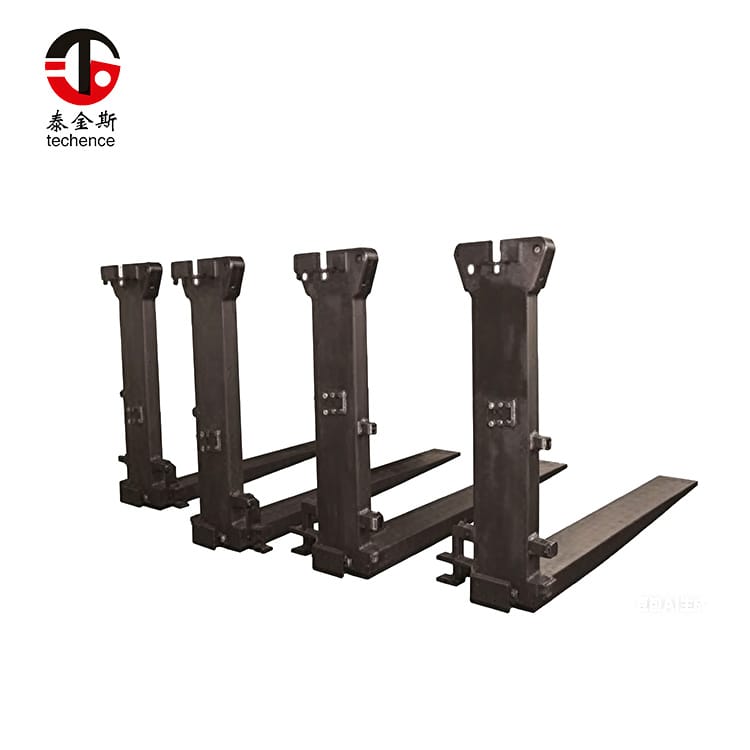
Antes de finalizar a especificação, registre as seguintes informações.
Carregar Informações
- Peso máximo da carga
- Profundidade e largura da carga
- Posição do centro de carga
- Tipo palete
- Altura mínima de abertura
- Posições de membros de apoio
- Fragilidade de carga
- Frequência de manuseio
Informações existentes sobre garfos
- Comprimento lâmina
- Largura lâmina
- Espessura lâmina
- Espessura da ponta
- Comprimento cônico
- Dimensões da haste
- Gancho dimensões
- Arranjo de travamento
- Marcações capacidade
- Condição atual de desgaste
Informações sobre empilhadeira
- Modelo empilhadeira
- Número de identificação do equipamento
- Capacidade nominal
- Centro de carga avaliado
- Tipo mastro
- Altura do elevador
- Classe de transporte
- Dimensões do carro
- Anexos instalados
- Modificações anteriores
Informações Operacionais
- Condição do piso
- Largura do corredor
- Configuração rack
- Frequência de entrada da palete
- Exposição ao impacto
- Uso interno ou exterior
- Condições de limpeza
- Cronograma de inspeção
Onde as dimensões padrão não correspondem à carga, a Revisão da especificação Full Taper Forks deve incluir desenhos, medições, fotografias, dados de carga, detalhes do carro e a sequência completa de manuseio.
Conclusão
Garfos Conectados Completos são mais apropriados quando aberturas de paletes baixas, suportes espaçados ou condições de entrada restritas interferem repetidamente no engate normal do garfo.
Sua conicidade estendida pode fornecer um perfil de entrada mais fino e gradual, mas essa vantagem deve ser avaliada juntamente com suporte de carga, seção da lâmina, comprimento do garfo, centro de carga, compatibilidade do carro, qualidade de fabricação e condições operacionais.
Um processo de seleção confiável segue quatro princípios:
- Meça a abertura real carregada da pálete.
- Confirme se a carga ficará sobre uma parte adequada da lâmina.
- Combine a seção da forquilha e os ganchos com a empilhadeira e o carro.
- Inspecione o par completo de garfos durante toda a sua vida útil.
Os melhores Full Taper Forks não são simplesmente os garfos com as pontas mais finas Eles são os garfos que entram no suporte de carga necessário suavemente, carregam a carga na posição correta, encaixam a empilhadeira com precisão e mantêm o desempenho confiável sob o ciclo de trabalho real.
Perguntas frequentes
Para que são utilizados os Full Taper Forks?
Garfos Conectados Completos são usados onde as pontas de garfo padrão têm dificuldade em entrar em paletes, patins, contêineres ou suportes espaçados de baixa folga. Seu cone estendido cria um perfil de entrada mais fino e gradual, enquanto a lâmina principal suporta a carga após a inserção completa.
Os Full Taper Forks são mais fracos que os garfos padrão?
Não automaticamente O desempenho do garfo depende da largura da lâmina, espessura, comprimento, material, tratamento térmico, geometria cônica, capacidade nominal e posição de carga Um projeto de conicidade total devidamente especificado deve ser avaliado de acordo com sua capacidade e aplicação documentadas.
Como escolho o comprimento correto do garfo cônico completo?
Escolha um comprimento que suporte a carga suficientemente sem se projetar desnecessariamente além dela Registre a profundidade da carga, o design do palete, o acesso de inserção, o centro de carga e a folga ao redor O comprimento do garfo deve ser revisado com a seção da lâmina e a capacidade nominal.
Garfos Full Taper podem caber em qualquer empilhadeira?
No. Os ganchos, a altura da haste, o sistema de travamento, a seção da lâmina, a capacidade, e a classe da carruagem devem combinar o empilhador O carro real deve ser medido porque as modificações do equipamento ou as substituições do mastro podem diferir da configuração original.
Como devem ser inspecionados os Full Taper Forks?
Inspecione as pontas, seções cônicas, parte inferior da lâmina, calcanhares, hastes, ganchos, travas, marcações e altura do par de garfos Procure rachaduras, desgaste, flexão, rebarbas, danos por impacto, montagem solta e geometria desigual Siga os limites de inspeção do fabricante.