Índice
Introdução
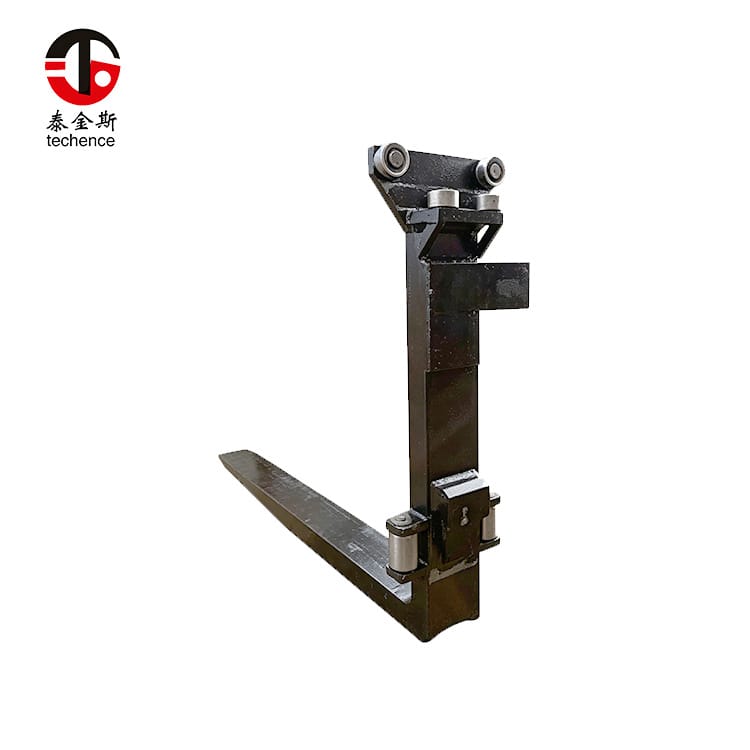
Os garfos de empilhadeira padrão são projetados em torno de um processo de manuseio familiar: entre nas aberturas de um palete, apoie o palete por baixo, levante a carga unitária completa e coloque-a no destino.
Os garfos de rolos abordam a tarefa de forma diferente Em vez de depender inteiramente de um palete rígido, eles usam um mecanismo de rolamento integrado para se mover sob certas cargas unitárias transportadas em folhas deslizantes ou posicionadas em superfícies de suporte adequadas Uma vez que a carga é engatada e levantada, ela é suportada para transporte pela estrutura do garfo.
Esta diferença pode tornar os garfos de rolos úteis em operações que procuram lidar com cargas adequadas sem paletes convencionais Também pode criar novos requisitos técnicos A base de carga deve ser compatível com o sistema de rolos, a embalagem deve permanecer estável e as superfícies de carga e descarga devem permitir que os rolos operem corretamente.
A decisão não deve, portanto, ser reduzida a uma simples questão de saber se os garfos de rolos são mais avançados do que os garfos padrão A melhor questão é se o processo completo de carga, piso, empilhadeira, embalagem e manuseio formam um sistema compatível.
Antes de escolher os garfos de rolos, determine
- Se a carga pode permanecer estável sem uma palete rígida
- Se a carga senta-se em uma folha deslizante adequada ou em uma base plana
- Se o piso e as superfícies de transferência estão nivelados e limpos
- Se a empilhadeira tem capacidade residual suficiente
- Se o carro corresponde ao sistema de montagem do garfo
- Se os operadores podem concluir a carga e descarga de forma consistente
- Se o mecanismo do rolo pode ser inspecionado e mantido facilmente
Este guia compara garfos de rolos com garfos padrão e fornece um método prático para avaliar sua adequação.
O que são garfos de rolo?
Os garfos de rolos são garfos de empilhadeira especializados contendo rolos dentro ou abaixo das lâminas do garfo Os rolos criam movimento relativo entre os garfos e a parte inferior de uma carga, permitindo que os garfos se movam abaixo ou se retirem de cargas unitárias sem paletes adequadas.
Eles são comumente associados ao manuseio de folhas deslizantes, embora as aplicações exatas dependam do design do garfo, da base de carga, da embalagem, da condição da superfície e das especificações do fabricante.
Ao contrário de um grande acessório push-pull, muitos projetos de garfos de rolos mantêm uma estrutura relativamente aberta ao redor do carro Isso pode ajudar a preservar a visibilidade para a frente e reduzir o número de componentes de fixação adicionais na frente do mastro.
Uma gama de garfos rolo deve ser comparado pela configuração do rolo, dimensões do garfo, classe do carro, classificação de carga, largura total, requisitos de base de carga e superfície operacional pretendida.
A estrutura básica do garfo do rolo
Um garfo de rolos geralmente inclui
- Uma lâmina de garfo estrutural
- Um ou mais rolos superiores que entram em contato com a base de carga
- Rolos inferiores ou um sistema de ativação mecânica
- Eixos internos, guias, rolamentos ou ligações
- Um calcanhar e uma haste
- Ganchos de montagem ou outra interface de carro
- Fechaduras de garfo ou componentes de retenção
Embora os rolos executem a função de transferência de carga, a estrutura principal do garfo ainda carrega a carga durante o deslocamento A lâmina, o calcanhar, a haste e os ganchos de montagem, portanto, permanecem componentes críticos de suporte de carga.
Como os garfos de rolo diferem dos braços de garfo convencionais
Um braço de garfo convencional tem uma superfície de suporte amplamente fixa Ele entra em uma abertura de palete ou outro espaço abaixo de uma carga e permanece em contato direto com o palete ou base de carga durante o transporte.
Um garfo de rolo tem elementos móveis em sua lâmina Esses elementos ajudam a criar um movimento controlado entre o garfo e a carga durante o engate ou liberação.
A diferença afeta:
- O tipo de base de carga necessária
- A importância do contato com o chão
- Estabilidade de embalagem
- Técnica de carregamento
- Espessura da lâmina de garfo
- Requisitos de manutenção
- Sensibilidade aos detritos
- Treinamento operador
Os garfos de rolo não devem ser tratados como garfos padrão com rolos opcionais Eles formam um sistema de transferência de carga diferente.
Configurações Mecânicas e Hidráulicas
Muitos sistemas de garfos de rolos operam mecanicamente e não requerem uma função hidráulica adicional Seu movimento de rolos é ativado através do contato com um piso ou plataforma adequada à medida que a empilhadeira avança ou recua.
Outros sistemas especializados podem utilizar mecanismos diferentes O projeto exato deve ser sempre confirmado antes de avaliar os requisitos de instalação.
Um projeto mecânico pode simplificar a conexão com a empilhadeira, mas não elimina a necessidade de verificar a compatibilidade do carro, a capacidade residual, a estabilidade da carga e a técnica operacional correta.
O papel do mecanismo interno do rolo
O mecanismo de rolo reduz a resistência ao deslizamento entre o garfo e a base de carga durante o engate e a liberação.
Quando a parte inferior do mecanismo entra em contato com uma superfície de suporte adequada, o movimento da empilhadeira faz com que os rolos superiores se movam em relação à carga Isso ajuda o garfo a viajar por baixo da carga, minimizando a tendência de empurrar toda a unidade para frente.
Depois que a carga é levantada, o conjunto de rolos muda de posição para que a carga seja suportada pela estrutura de transporte dos garfos, em vez de permanecer livre para rolar.
O caminho exato do rolo e o comportamento de retração variam de acordo com o projeto Os operadores devem entender o mecanismo específico instalado em sua empilhadeira.
Como funcionam os garfos de rolo?
Os garfos de rolos desempenham três funções distintas durante um ciclo de manuseio:
- Entre por baixo da carga
- Apoie a carga durante o levantamento e o curso
- Solte a carga no destino
Cada função depende de uma relação diferente entre a carga, rolos, garfos e superfície de suporte.
Carregando uma unidade de carga
Durante o carregamento, as pontas dos garfos são alinhadas com a parte inferior da carga unitária Os rolos inferiores ou elementos de ativação entram em contato com o piso ou a plataforma.
À medida que a empilhadeira avança, o sistema de rolos ajuda as lâminas do garfo a se moverem abaixo da carga Os rolos superiores reduzem a quantidade de deslizamento direto entre a base de carga e o garfo.
Para que este processo funcione de forma consistente:
- O fundo de carga deve ser acessível
- Os garfos devem estar nivelados
- O piso deve suportar o mecanismo inferior do rolo
- A carga deve resistir a tombar ou separar
- A embalagem não deve ficar presa nas pontas dos garfos
- O operador deve aproximar-se a uma velocidade controlada
Um sistema de rolos não pode corrigir uma aproximação mal alinhada ou uma carga instável.
Apoiando a carga durante a viagem
Depois que os garfos se movem o suficiente abaixo da carga, o operador levanta a unidade.
À medida que os garfos saem da superfície de suporte, o mecanismo do rolo retrai ou muda de posição de acordo com seu design A carga então se instala nas seções de transporte das lâminas do garfo.
Antes de viajar, o operador deverá confirmar que
- A carga está totalmente engatada
- A carga está centrada nos garfos
- Os rolos retornaram à posição de transporte pretendida
- A carga não está descansando apenas perto das pontas dos garfos
- A folha ou embalagem deslizante não dobrou
- A carga permanece estável durante o levantamento inicial
A carga deve ser transportada na posição de deslocamento aprovada, seguindo os requisitos operacionais da empilhadeira e fixação.
Descarregando a Carga
Durante a descarga, a carga é baixada sobre um piso, palete, plataforma ou superfície de transferência adequada.
À medida que o mecanismo de rolo entra em contato com a superfície, ele se torna ativo novamente A empilhadeira inverte de maneira controlada, permitindo que os garfos se retirem enquanto limitam o movimento indesejado da carga.
Uma descarga bem sucedida requer:
- Uma superfície de destino nivelada
- Espaço adequado para a empilhadeira reverter
- Embalagem de carga estável
- Inclinação controlada do mastro
- Altura correta do garfo
- Sem obstruções por baixo da carga
- Fricção suficiente entre a base de carga e a superfície de destino
Se a carga seguir os garfos durante a retirada, o operador deve parar e identificar a causa em vez de aumentar a velocidade.
Por que o piso faz parte do sistema
Com garfos padrão, o piso suporta principalmente a empilhadeira, palete e carga Com garfos de rolos ativados mecanicamente, o piso também pode ativar o mecanismo de rolo.
Isto significa que o estado do piso faz parte da decisão de seleção do equipamento.
Um piso irregular, danificado, contaminado ou interrompido por grandes lacunas pode impedir que os rolos inferiores se movam consistentemente. Também pode fazer com que um mecanismo de garfo seja ativado antes do outro.
Os garfos rolantes devem, portanto, ser avaliados como um sistema de manuseio piso a carga e não como um acessório isolado.
Quando os garfos de rolo são melhores que os garfos padrão
Os garfos de rolos podem fornecer um valor operacional claro onde cargas unitárias adequadas devem ser transferidas sem paletes convencionais.
Cargas de unidades sem paletes
Uma carga sem paletes elimina a plataforma rígida normalmente transportada por baixo das mercadorias Isto pode reduzir a altura ocupada pela base de carga e alterar a forma como as mercadorias são dispostas para transporte ou armazenamento.
No entanto, a remoção da palete transfere mais responsabilidade para:
- A embalagem
- A folha deslizante
- Os garfos de rolo
- A superfície de carregamento
- O operador
- O processo de recepção
Os garfos de rolo são mais eficazes quando esses elementos são padronizados.
Manuseio de folhas deslizantes
A folha deslizante é uma folha de suporte de carga relativamente fina colocada abaixo de uma carga unitária. Pode ser feito de material à base de fibra ou plástico e normalmente é usado com embalagens que mantêm os produtos juntos como uma unidade de manuseio.
Os garfos de rolo podem se mover sob cargas de folhas deslizantes compatíveis sem exigir a aba saliente usada por alguns sistemas push-pull.
A folha deslizante ainda precisa de suficiente:
- Força
- Consistência dimensional
- Qualidade superficial
- Resistência ao rasgo
- Resistência umidade
- Compatibilidade com a carga
- Compatibilidade com a superfície do rolo
Uma folha fraca ou danificada pode enrugar, rasgar ou dobrar durante o engate.
Cargas posicionadas diretamente em pisos adequados
Alguns sistemas de garfos de rolos podem engatar cargas unitárias adequadas colocadas diretamente em um piso ou plataforma lisa.
Isto pode ser útil em áreas de carga e descarga onde a carga não precisa permanecer em um palete após a colocação.
A aplicação requer uma superfície de base controlada Um piso macio, irregular ou obstruído pode impedir a operação confiável do rolo.
Carregamento e Descarregamento Repetitivo
Quando o mesmo formato de carga é manuseado repetidamente, os garfos podem tornar-se parte de um processo padronizado de manuseio de materiais.
A repetição permite controlar a operação:
- Dimensões de carga
- Métodos de embalagem
- Qualidade deslizante
- Condições piso
- Espaçamento entre garfos
- Procedimentos do operador
- Intervalos de inspeção
Operações altamente variáveis recebem menos benefícios porque cada nova configuração de carga introduz outra questão de compatibilidade.
Boa visibilidade futura
Os conjuntos de garfos de rolo podem fornecer uma visão relativamente aberta em comparação com alguns acessórios que incluem uma grande estrutura, placa, pinça ou pantógrafo na frente do carro.
A visibilidade ainda depende de:
- Largura garfo
- Carcaça rolo
- Posição do carro
- Altura da carga
- Projeto mastro
- Componentes hidráulicos ou mecânicos
- Posição sentada do operador
A configuração proposta deve ser avaliada tanto com garfos vazios quanto com cargas representativas.
Operações buscando um movimento simples de transferência de carga
Os garfos de rolo podem combinar o engate e a transferência em um movimento contínuo da empilhadeira.
O operador não precisa necessariamente ativar uma função separada de agarrar ou empurrar Isso pode simplificar a sequência de manuseio quando as condições de carga e piso são consistentes.
No entanto, menos controles não significam menos treinamento Os operadores devem entender como o movimento da empilhadeira ativa os rolos e como a carga se comporta durante a transferência.
Quando os garfos padrão permanecem a melhor escolha
Os garfos padrão continuam a ser a solução mais prática para muitas aplicações.
Manuseio convencional de paletes
Quando as cargas já viajam em paletes fortes e compatíveis, os garfos padrão fornecem um método de manuseio direto e bem compreendido.
Pode haver pouco valor operacional na adição de um mecanismo de rolo se os paletes permanecerem abaixo das cargas durante o transporte, armazenamento e entrega.
Armazenamento Rack
Muitas bases de carga sem paletes não fornecem a rigidez necessária para unir vigas de rack abertas sem suporte adicional.
O manuseio padrão de paletes é geralmente mais simples quando as cargas são armazenadas em estantes projetadas em torno de paletes rígidas.
Uma operação de garfo de rolo ainda pode colocar uma carga sem palete em um palete de suporte antes do armazenamento em rack, mas isso adiciona outra etapa de transferência que deve ser avaliada.
Cargas Irregulares
Os garfos de rolo são mais adequados para cargas unitárias estáveis com uma superfície inferior previsível.
Máquinas irregulares, materiais soltos, feixes irregulares, caixas danificadas e cargas com peças salientes podem não ser transferidas uniformemente através do sistema de rolos.
Garfos padrão, suportes personalizados, braçadeiras, berços ou outros acessórios podem fornecer um controle mais apropriado.
Superfícies operacionais desiguais
A ativação do rolo depende do contato consistente com o piso ou plataforma.
Os garfos padrão geralmente dependem menos do contato do piso durante o processo de engate de carga porque entram diretamente nas aberturas dos paletes.
Onde as condições do piso variam significativamente, o manuseio padrão de paletes pode proporcionar uma operação mais repetível.
Cargas e Embalagens Mistas
Uma operação que manuseia paletes, caixas soltas, cargas danificadas, feixes irregulares e unidades de folha deslizante pode ter dificuldade em padronizar os procedimentos de garfo de rolo.
Os garfos ainda podem ser apropriados para um fluxo de trabalho dedicado, mas não devem substituir automaticamente os garfos padrão em todas as tarefas.
Aplicações com Níveis de Detritos Altos
Pequenos pedaços de madeira, filme, tiras, fibras, etiquetas, poeira e fragmentos de embalagem podem entrar no mecanismo do rolo.
Onde a limpeza não pode ser controlada, os garfos padrão podem exigir uma limpeza menos detalhada e apresentar menos componentes móveis perto do chão.
Garfos de rolos vs Garfos Padrão
O quadro seguinte resume as principais diferenças operacionais.
| Fator Comparação | Garfos de rolo | Garfos Padrão |
|---|---|---|
| Base de carga primária | Folhas deslizantes, cargas sem paletes adequadas, paletes compatíveis em algumas aplicações | Paletes convencionais, patins, contêineres, cargas suportadas |
| Método de engajamento | O mecanismo de rolamento ajuda os garfos a se moverem abaixo da carga | Os garfos entram em uma abertura de palete ou em um espaço aberto abaixo da carga |
| Dependência piso | Alto para sistemas ativados mecanicamente | Inferior durante a entrada normal da palete |
| Hidráulica adicional | Muitas vezes não é necessário, dependendo do design | Não é necessário para garfos fixos |
| Visibilidade dianteira | Geralmente aberto em comparação com grandes acessórios emoldurados | Geralmente muito aberto |
| Requisito de embalagem de carga | Alto; a carga deve comportar-se como uma unidade estável | O palete suporta grande parte da estrutura de carga unitária |
| Sensibilidade aos detritos | Mais alto porque os rolos e guias estão perto do chão | Mais baixo, embora os danos e a contaminação do garfo ainda sejam importantes |
| Adequação rack-storage | Requer uma base de suporte separada ou um sistema de armazenamento compatível | Bem adequado para aplicações de porta-paletes |
| Foco manutenção | Rolos, rolamentos, eixos, guias, lâmina, calcanhar, ganchos, fechaduras | Lâmina, calcanhar, haste, ganchos, fechaduras, desgaste, deformação |
| Técnica do operador | Requer contato controlado do piso e ativação do rolo | Requer entrada precisa de paletes e inserção completa do garfo |
| Transferência carga | Pode carregar e descarregar determinadas unidades sem palete convencional | Geralmente move o palete junto com a carga |
| Tolerância de variação de carga | Melhor com cargas padronizadas | Geralmente mais adaptável a variações comuns de paletes |
| Principal risco operacional | Carga instável, mau contato com o piso, contaminação por rolos, base de carga inadequada | Danos na palete, inserção incompleta, espaçamento incorreto, carregamento da ponta |
| Ambiente mais adequado | Processo de manuseio sem paletes controlado | Manuseio geral de materiais e transporte de paletes |
A tabela deve ser usada como ponto de partida A decisão final depende do design real do garfo de rolo, configuração da empilhadeira, formato de carga, piso e sequência de manuseio.
Combine os garfos do rolo com a base de carga
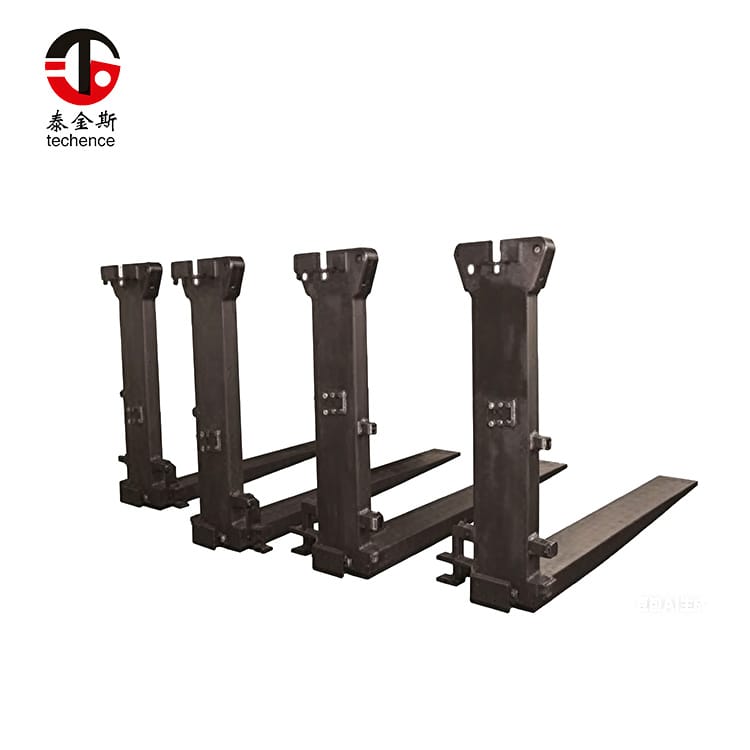
A parte inferior da carga é a interface primária com os rolos Deve ser tratada como uma parte projetada do processo de manuseio.
Material da folha deslizante
As folhas deslizantes podem ser feitas de diferentes materiais à base de fibra ou plásticos Cada material se comporta de maneira diferente sob compressão, flexão, umidade e contato deslizante.
Confirmar:
- Tipo material
- Espessura da folha
- Textura superficial
- Resistência ao rasgo
- Qualidade borda
- Exposição umidade
- Reutilização
- Compatibilidade com a carga
- Compatibilidade com o mecanismo do rolo
Uma folha que funciona bem abaixo de caixas rígidas pode se comportar de maneira diferente abaixo de sacos flexíveis ou cargas concentradas.
Espessura da Folha
A folha deve ser fina o suficiente para que as pontas dos garfos e os rolos entrem abaixo dela, mas forte o suficiente para permanecer intacta durante a transferência.
Uma folha excessivamente fina pode dobrar ou rasgar Uma folha desnecessariamente espessa pode interferir na entrada de baixo perfil ou criar uma transição mais abrupta.
A espessura deve ser avaliada juntamente com a rigidez do material e a distribuição da carga.
Rigidez da folha
A rigidez afeta se a folha permanece plana à medida que os garfos começam a entrar.
Uma folha muito flexível pode enrugar na frente dos rolos Uma folha muito rígida pode resistir à conformidade com uma pequena variação de superfície, mas transferir forças mais altas para as bordas de carga.
A folha mais adequada mantém uma base de carga consistente sem rachar ou dobrar durante todo o ciclo de manuseio.
Liberação de carga inferior
As pontas do garfo precisam de um caminho de entrada prático abaixo da folha deslizante ou da carga.
Verifique se:
- A embalagem se estende abaixo da base de carga
- Envolvimentos de filme sob a carga
- Correias cruzam o caminho do garfo
- Os sacos caem entre os produtos
- Os cantos da caixa deformam-se
- Enrolamento das bordas da folha
- Entrada de blocos de detritos no chão
Uma carga nominalmente plana pode tornar-se irregular após armazenamento ou transporte.
Embalagem Saliência
Os produtos não devem pender sobre a folha de uma forma que bloqueie o caminho do garfo ou crie bordas não suportadas.
A saliência também pode fazer com que a superfície do rolo entre em contato com a embalagem, em vez da base de carga pretendida.
Documentar a saliência máxima aceitável e incluí-la nos procedimentos de inspeção de embalagens.
Condições de Fricção
Os garfos rolantes precisam de uma relação controlada entre:
- Os rolos e a folha deslizante
- A folha deslizante e a carga
- A base de carga e a superfície de destino
Muito pouco atrito entre a carga e a folha pode permitir que as mercadorias deslizem Uma resistência excessiva abaixo da folha pode fazer com que a carga se mova com os garfos durante a retirada.
Este equilíbrio deve ser testado com materiais reais sob condições normais de temperatura, umidade e contaminação.
Avalie a estabilidade da carga e a resistência da embalagem
Os garfos de rolo movem-se sob a carga em vez de levantar uma palete rígida A embalagem deve, portanto, manter os produtos juntos durante a transferência.
Integridade Unidade-Carga
Uma carga unitária deve se comportar como um objeto controlado.
Os sinais de integridade insuficiente incluem
- Caixas separando
- Bolsas mudando
- Camadas deslizando
- Pilhas inclinadas
- Camadas superiores soltas
- Grandes lacunas entre os pacotes
- Altura de carga desigual
- Embalagem inferior danificada
A tentativa do garfo de rolo deve testar a estabilidade lateral, para frente e para trás.
Envolvimento Estirável
O envolvimento do estiramento pode ajudar a estabilizar caixas e outros bens embalados Sua eficácia depende das propriedades do filme, do padrão de envolvimento, da sobreposição, da tensão, do número de camadas, e da conexão à base da carga.
O filme não deve ficar pendurado abaixo da carga, onde pode ficar preso em rolos ou pontas de garfos.
Cintagem
As correias podem melhorar a integridade da carga vertical ou lateral, mas a sua colocação não deve interferir no caminho de entrada de carga.
As extremidades soltas da cinta podem ficar presas em guias de rolos As tiras danificadas também podem criar a aparência de estabilidade sem fornecer restrição confiável.
Caixas e Caixas
As mercadorias embaladas devem ter resistência à compressão suficiente na camada inferior.
Se as caixas inferiores se deformarem, a carga pode assentar em torno do mecanismo do rolo ou tornar-se difícil de libertar.
Verifique a carga após o armazenamento, porque a força da caixa pode mudar sob a compressão sustentada ou a exposição ambiental.
Mercadorias ensacadas
As cargas ensacadas podem estar estreitamente conformadas com o piso e criar um perfil de entrada baixo ou irregular.
Uma folha deslizante suficientemente rígida e um padrão de empilhamento controlado podem ser necessários para evitar que os sacos caiam no caminho do rolo.
Centro de Gravidade de Carga
O centro de gravidade deve permanecer dentro de uma posição previsível durante a carga, elevação, deslocamento e descarga.
Materiais líquidos, granulares ou frouxamente embalados podem mudar Uma carga que é estável em repouso pode se tornar instável durante a aceleração, frenagem ou retirada do garfo.
Altura de carga
Cargas altas ampliam pequenos movimentos na base.
Quanto maior o centro de gravidade, mais importante se torna controlar a embalagem, o espaçamento dos garfos, o alinhamento, a velocidade de deslocamento, o giro e a inclinação do mastro.
Verifique o Piso e as Superfícies de Transferência
O piso é um dos fatores de seleção de garfos de rolos mais frequentemente esquecidos.
Planicidade superficial
Ambos os garfos devem entrar em contato com o piso ou plataforma de forma consistente.
Se um lado estiver mais baixo, um mecanismo de rolo pode ser ativado antes do outro Isso pode causar movimento desigual da carga, torção ou estresse na embalagem.
Inspecione o caminho completo usado durante o engajamento e a retirada.
Suavidade Superficial
A superfície deve permitir que os rolos inferiores girem sem impacto ou vibração excessiva.
As áreas problemáticas podem incluir:
- Concreto quebrado
- Articulações elevadas
- Placas piso
- Sulcos profundos
- Canais drenagem
- Plataformas de carregamento danificadas
- Revestimentos superficiais soltos
- Alterações abruptas de nível
Uma área lisa curta na posição inicial não é suficiente se a empilhadeira tiver que atravessar seções irregulares durante a transferência.
Lacunas e juntas
Os rolos pequenos podem reagir fortemente a lacunas que parecem menores para os pneus de empilhadeira.
Meça juntas de expansão, lacunas de plataforma, juntas de piso de veículo e transições entre superfícies.
O diâmetro do rolo, o caminho do garfo e a direção do deslocamento determinam se uma folga é aceitável.
Detritos e Contaminação
Os mecanismos de rolos operam perto do chão, onde podem encontrar
- Filme plástico
- Cintagem
- Etiquetas
- Fragmentos madeira
- Poeira
- Fibras
- Líquidos
- Graxa
- Pequenos objetos de metal
- Embalagem grampos
Detritos podem restringir o movimento do rolo ou danificar a base de carga Housekeeping deve ser tratado como um requisito operacional.
Carregando Plataformas
Uma plataforma de carga deve proporcionar espaço suficiente para
- Alinhamento garfo
- Ativação rolo
- Engate completo da carga
- Movimento empilhadeira
- Retirada controlada
- Visibilidade do operador
A plataforma também deve ser capaz de suportar a empilhadeira e carregar nas condições operacionais pretendidas.
Superfície Destino
A superfície de descarga deve ser compatível com a carga após a remoção dos garfos.
Uma unidade sem palete colocada numa superfície inadequada pode ser difícil de recolher mais tarde, mesmo quando o primeiro ciclo de descarga é bem sucedido.
Planeje a transferência atual e a próxima etapa de manuseio.
Verifique a capacidade da empilhadeira e a compatibilidade do transporte
Os garfos para rolos devem ser considerados parte da configuração de movimentação de carga da empilhadeira.
Peso do acessório
Os garfos rolantes contêm componentes mecânicos adicionais e podem pesar mais do que os garfos convencionais de tamanho semelhante.
Seu peso contribui para a carga total transportada na frente da empilhadeira e pode afetar a capacidade residual.
Use dados técnicos verificados em vez de estimar o peso a partir da aparência.
Centro de carga
O centro de carga depende da posição do centro de gravidade da carga em relação à empilhadeira.
A espessura do garfo do rolo, a geometria de montagem e a posição da carga podem mover a carga mais para frente do que a configuração original do garfo padrão.
Mesmo quando o peso do produto permanece inalterado, uma maior distância de avanço aumenta o momento de carga.
Capacidade Residual
A capacidade residual é a quantidade que a configuração completa da empilhadeira pode levantar após considerar:
- Peso do garfo do rolo
- Geometria garfo
- Centro de carga
- Tipo mastro
- Altura do elevador
- Carruagem
- Anexos instalados
- Classificação empilhadeira
- Dimensões de carga
Não se deve presumir que a capacidade nominal original da empilhadora permanece inalterada.
Classe Carruagem
Os ganchos do garfo ou o sistema de montagem devem combinar com o carro real da empilhadeira.
Verificar:
- Classe de transporte
- Largura do carro
- Dimensões da barra superior
- Posição da barra inferior
- Espaçamento gancho
- Arranjo de travamento
- Ajuste lateral disponível
- Folga do encosto de carga
Modificações no equipamento podem significar que o carro instalado difere da especificação original da máquina.
Espaçamento entre garfos
O espaçamento deve suportar a carga uniformemente e combinar com o design do garfo de rolo.
Se os garfos estiverem muito próximos, a carga pode ter um suporte lateral ruim Se eles estiverem muito distantes, a base de carga pode ceder ou os garfos podem interferir na embalagem.
Alguns sistemas de garfos de rolos têm limites de quão próximo ou amplamente o par de garfos pode ser posicionado.
Largura geral
As caixas de rolos podem tornar o conjunto do garfo mais largo que os garfos padrão.
Verificar:
- Largura de carga
- Largura da folha deslizante
- Portas
- Aberturas veículos
- Desobstrução rack
- Cargas adjacentes
- Desembaraço de giro
- Posições de armazenamento
Fechaduras Montagem
As travas do garfo evitam movimentos laterais não intencionais no carro.
Inspecione os pinos de trava, entalhes do carro, ganchos, retentores e folgas de montagem Um garfo de rolo não deve ser usado quando sua montagem estiver solta ou incompleta.
Use o método de seleção de garfo de rolo de cinco portas
A estrutura original a seguir ajuda a determinar se os garfos de rolos se encaixam em uma operação.
Um candidato deve passar por todos os cinco portões Um resultado forte em uma categoria não pode compensar uma falha em outra.
Portão 1: Base de carga
A base de carga deve fornecer uma interface adequada para os rolos.
Confirmar:
- Folha deslizante compatível ou superfície inferior
- Força adequada
- Dimensões consistentes
- Nenhum material solto abaixo da carga
- Saliência adequada
- Autorização de entrada suficiente
A falha neste portão geralmente aparece como rasgo, enrugamento, captura ou entrada incompleta do garfo.
Portão 2: Superfície
O piso e a plataforma de destino devem ativar e apoiar corretamente o sistema de rolos.
Confirmar:
- Planicidade
- Suavidade
- Limpeza
- Articulações aceitáveis
- Espaço de viagem suficiente
- Correspondência dos níveis de carga e descarga
A falha neste portão pode produzir movimento irregular do rolo, torção de carga, impacto ou liberação incompleta.
Portão 3: Estabilidade
A carga deve permanecer uma unidade controlada durante o engate, elevação, deslocamento e retirada.
Confirmar:
- Integridade embalagem
- Envolvimento ou cintagem adequados
- Centro de gravidade previsível
- Camada inferior estável
- Altura de carga aceitável
- Sem mudança de conteúdo
A falha neste portão pode criar inclinação, separação, danos ao produto ou perda de controle de carga.
Portão 4: Compatibilidade da empilhadeira
Os garfos rolantes devem caber no camião e permanecer dentro da capacidade verificada da configuração completa.
Confirmar:
- Classe de transporte
- Gancho dimensões
- Fechaduras garfo
- Capacidade residual
- Centro de carga
- Desobstrução do mastro
- Dimensões gerais do garfo
- Espaçamento entre garfos
A falha neste portão pode afetar a segurança, capacidade, visibilidade ou movimento mecânico da montagem.
Portão 5: Ajuste de processo
A operação deve suportar o uso repetível.
Confirmar:
- Operadores treinados
- Formatos de carga padrão
- Procedimentos de inspeção
- Rotinas limpeza
- Superfícies de destino adequadas
- Rotas de viagem controladas
- Acesso a peças de desgaste de reposição
- Etapas de manuseio documentadas
A falha neste portão muitas vezes leva a resultados inconsistentes, mesmo quando o próprio equipamento é especificado corretamente.
Conduzir um teste de garfo de rolo controlado
Um ensaio controlado é uma das etapas mais valiosas no processo de seleção.
Deve utilizar condições operacionais representativas em vez de uma carga de demonstração preparada apenas para um desempenho ideal.
Selecione Cargas Representativas
Incluir:
- A carga mais pesada
- A carga mais alta
- A carga menos rígida
- A folha deslizante aceitável da mais baixa qualidade
- A embalagem mais flexível
- A carga com maior saliência
- A superfície de destino mais difícil
- Uma carga diária típica
Não teste cargas danificadas ou proibidas simplesmente para provar que o sistema pode movê-las.
Estabeleça uma linha de base
Antes de testar os garfos de rolos, registre como a mesma carga é manuseada atualmente.
As observações úteis incluem:
- Número de correcções de alinhamento
- Tempo necessário para engatar a carga
- Etapas de manuseio manual
- Carregar danos
- Perturbação embalagem
- Visibilidade do operador
- Número de movimentos do equipamento
- Dificuldade de descarga
O objetivo é comparar o ciclo completo de manuseio, não apenas a entrada do garfo.
Carregamento de teste
Observar:
- Se ambos os garfos entram uniformemente
- Se a folha permanece plana
- Se a carga avança
- Se a embalagem pega nas pontas
- Se os rolos giram suavemente
- Se o operador pode ver o caminho do garfo
- Se a inserção completa é alcançada
Pare o teste quando aparecer resistência incomum ou movimento de carga.
Teste o Levantamento Inicial
Eleve a carga apenas o suficiente para confirmar o engajamento.
Verificar:
- Rolo retração
- Posição de carga
- Espaçamento entre garfos
- Condição da folha
- Estabilidade de carga
- Deflexão garfo
- Suporte desigual
- Mudanças na forma da embalagem
A carga não deve ser transportada até que o elevador inicial esteja estável.
Teste de viagem e colocação
Utilizar uma rota controlada que represente o funcionamento normal.
Observe o movimento durante:
- Começando
- Parando
- Virando
- Pequenas alterações superficiais
- Inclinação mastro
- Abaixamento
- Colocação final
A carga deve permanecer centrada e estável.
Retirada do garfo de teste
Observe se a carga permanece no destino enquanto os garfos se retiram.
Verifique se:
- Movimento folha
- Carregar movimento
- Hesitação rolo
- Embalagem arrasto
- Retirada desigual
- Interferência piso
- Detritos entrando no mecanismo
A retirada repetida e bem-sucedida é mais significativa do que um único ciclo bem-sucedido.
Inspecione a carga após o teste
Olhe por baixo e em volta da carga para:
- Folhas deslizantes rasgadas
- Marcas de rolo
- Caixas danificadas
- Filme esticado
- Correias soltas
- Camadas deslocadas
- Embalagem inferior esmagada
- Transferência de detritos
Os danos na parte inferior da carga podem não ser visíveis durante a operação.
Recolher Feedback do Operador
Pergunte aos operadores treinados sobre:
- Visibilidade
- Controle
- Alinhamento
- Movimento inesperado
- Correções necessárias
- Confiança durante o levantamento
- Dificuldade de descarga
- Acesso inspeção
O feedback do operador é útil quando combinado com observações técnicas e resultados registrados.
Manter e inspecionar garfos de rolos
Os garfos de rolos contêm peças móveis que operam perto do chão A inspeção e a limpeza são, portanto, centrais para um desempenho confiável.
Movimento Rolo
Cada rolo deve mover-se de acordo com o projeto pretendido sem amarração, hesitação ou frouxidão excessiva.
O movimento desigual entre os dois garfos pode causar uma transferência desigual de carga.
Inspecione a operação do rolo antes do uso e após qualquer evento de impacto ou contaminação.
Superfícies Rolo
As superfícies dos rolos devem ser verificadas quanto a:
- Áreas planas
- Rachaduras
- Lascas
- Pontuação profunda
- Detritos incorporados
- Corrosão
- Desigual desgaste
- Resíduo adesivo
- Bordas afiadas
Danos superficiais podem afetar o movimento da folha deslizante e deixar marcas nas embalagens.
Rolamentos e Eixos
Rolamentos, eixos e componentes de suporte guiam os rolos sob carga.
Os sinais de alerta incluem:
- Ruído
- Calor
- Movimento lateral
- Rotação desigual
- Partículas metálicas
- Danos visíveis
- Bloqueio repetido
- Perda de alinhamento
A causa deve ser identificada antes de substituir apenas a parte mais visivelmente desgastada.
Guias Internos e Ligações
Os sistemas de ativação mecânica podem conter guias, ligações, batentes, molas ou componentes deslizantes.
Inspecione para:
- Desgaste
- Fixadores soltos
- Deformação
- Desalinhamento
- Contaminação
- Retentores ausentes
- Viagem restrita
- Marcas contato
Não modifique o mecanismo para aumentar o movimento do rolo sem uma revisão técnica aprovada.
Lâminas Garfo
A lâmina do garfo continua a ser um componente estrutural e deve ser verificada quanto a
- Desgaste
- Dobrar
- Torção
- Rachaduras
- Goivas
- Dano de impacto
- Altura desigual do garfo
- Danos superficiais
- Deformação permanente
A condição do rolo não substitui a inspeção convencional do garfo.
Saltos e Pernas
O calcanhar transfere carga da lâmina para a haste A haste conecta o garfo ao carro.
Inspecione essas áreas quanto a rachaduras, deformações, marcas de calor, reparos não aprovados, desgaste excessivo e alterações na geometria.
Ganchos e Fechaduras
Confirme isso:
- Os ganchos assentam corretamente
- As travas do garfo engatam
- Os lacaios estão presentes
- As barras do carro não são excessivamente desgastadas
- Os garfos não se movem inesperadamente
- As folgas de montagem permanecem aceitáveis
Limpeza
Os procedimentos de limpeza devem remover detritos sem danificar rolamentos, vedações, revestimentos ou áreas lubrificadas.
Preste atenção especial ao filme, fibras, etiquetas, tiras e resíduos pegajosos que podem envolver os eixos dos rolos.
Lubrificação
Siga as instruções de lubrificação aplicáveis O excesso de lubrificante pode atrair poeira e partículas de embalagem, enquanto a lubrificação insuficiente pode aumentar o desgaste ou restringir o movimento.
Não presuma que cada rolo ou rolamento exija o mesmo lubrificante.
Registros de inspeção
Gravar:
- Identificação garfo
- Data de inspeção
- Condição do rolo
- Desgaste lâmina
- Diferença de altura do garfo
- Condição gancho
- Operação bloqueio
- Reparações
- Componentes substituídos
- Danos de carga observados
- Relatórios operadores
Os registros de tendências podem revelar deterioração gradual antes que ocorra falha completa.
Erros comuns de seleção de garfo de rolo
Supondo que cada carga sem palete seja adequada
A remoção de uma palete não cria automaticamente uma carga compatível com o garfo.
A embalagem, a folha, o piso, o centro de gravidade e o destino ainda devem formar um sistema estável.
Ignorando o Chão
Uma combinação correta de garfo e carga pode falhar quando o piso não ativa os rolos uniformemente.
Inspecione o caminho de transferência completo, incluindo juntas e transições de plataforma.
Testando apenas cargas ideais
Uma carga de demonstração leve e perfeitamente embrulhada não representa a operação completa.
O ensaio deve incluir cargas difíceis, mas aprovadas, dentro da faixa de trabalho esperada.
Ignorando a Capacidade Residual
Mecanismos de rolos adicionam peso e podem alterar a posição da carga Verifique a capacidade da configuração completa da empilhadeira.
Usando embalagens fracas
Os garfos de rolo não suportam a carga através de uma palete rígida durante a transferência Caixas inferiores fracas, sacos soltos ou camadas instáveis podem se deformar ou se separar.
Inserção incompleta do garfo
Os garfos devem mover-se suficientemente abaixo da carga antes de serem levantados.
Carregar uma carga perto das pontas dos garfos pode aumentar o centro de carga e reduzir a estabilidade.
Movendo-se antes que a carga esteja estável
Após a elevação inicial, pause e verifique se os rolos se retraíram e se a carga se depositou nas superfícies de transporte pretendidas.
Forçando uma carga resistente
A resistência pode indicar detritos, rolos danificados, mau alinhamento, embalagem inadequada, piso irregular ou base de carga obstruída.
O aumento da força de deslocamento pode danificar a carga ou o mecanismo.
Ignorando as Condições de Destino
Uma carga que pode ser recolhida com sucesso ainda pode ser difícil de descarregar ou recuperar posteriormente.
Revise cada superfície de transferência no processo logístico completo.
Tratando garfos de rolo como livre de manutenção
Um sistema mecânico pode não exigir conexões hidráulicas adicionais, mas seus rolos, rolamentos, guias, ganchos, travas e seções estruturais do garfo ainda exigem inspeção.
Lista de verificação de especificações de garfo de rolo
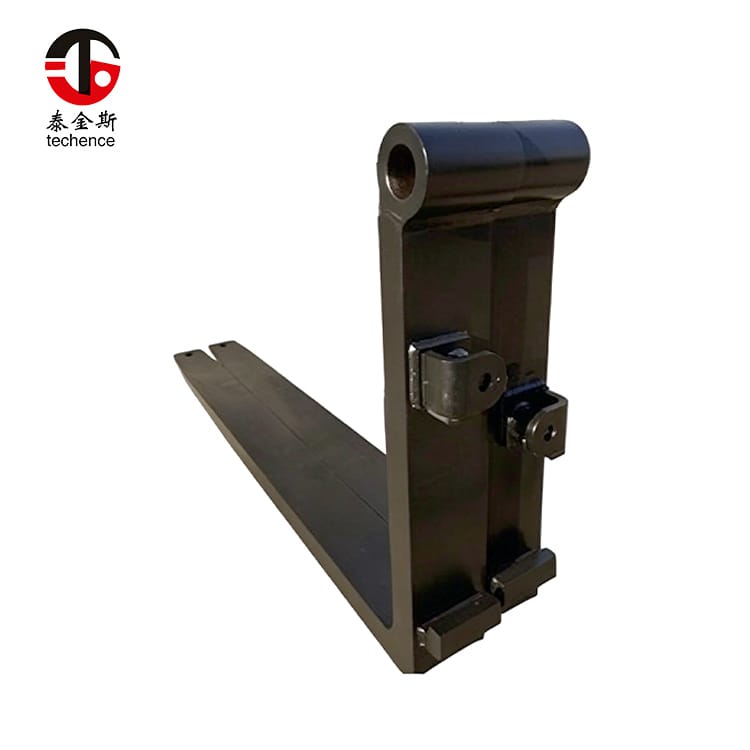
Antes de solicitar uma configuração de garfo de rolo, colete as seguintes informações.
Empilhadeira Dados
- Fabricante e modelo de empilhadeira
- Número de identificação do equipamento
- Capacidade nominal
- Centro de carga avaliado
- Tipo mastro
- Altura máxima do elevador
- Classe de transporte
- Dimensões do carro
- Espaçamento existente entre garfos
- Anexos existentes
- Modificações anteriores
Carregar Dados
- Peso mínimo e máximo da carga
- Largura, profundidade e altura da carga
- Posição do centro de gravidade
- Tipo de produto
- Formato embalagem
- Força da camada inferior
- Variação de carga
- Frequência de manuseio
Dados de folha deslizante
- Material
- Comprimento e largura
- Espessura
- Textura superficial
- Condição borda
- Saliência
- Exposição umidade
- Requisitos de reutilização
Dados Superfície
- Material piso
- Planicidade
- Dimensões conjuntas
- Lacunas da plataforma
- Condição do piso do veículo
- Exposição a detritos
- Direção de carregamento
- Direção descarga
- Distância de viagem disponível
Dados Processo
- Carregando sequência
- Sequência de descarga
- Método de armazenamento
- Apoio destino
- Visibilidade do operador
- Número de ciclos
- Procedimento de limpeza
- Frequência de inspeção
Quando a base de carga, o carro, a superfície operacional ou a embalagem exigirem uma configuração não padronizada, a avaliação da compatibilidade do garfo rolo deve incluir desenhos dimensionais, fotografias de carga, informações sobre empilhadeiras, detalhes do piso e a sequência completa de transferência.
Conclusão
Os garfos de rolo e os garfos padrão resolvem diferentes problemas de manuseio de materiais.
Os garfos padrão continuam sendo a escolha prática para paletes convencionais, armazenamento em rack, cargas variáveis, áreas operacionais irregulares e manuseio de uso geral Os garfos de rolo são mais adequados para operações controladas sem paletes, onde a base de carga, embalagem, piso, empilhadeira e superfícies de destino foram projetadas para trabalhar juntas.
A adequação dos garfos rolantes depende de cinco portões:
- A carga tem uma base compatível.
- O piso ativa o mecanismo de rolo de forma consistente.
- A embalagem mantém a carga estável.
- A empilhadeira e o carro suportam a configuração completa.
- A operação pode manter um processo repetível.
Os rolos sozinhos não criam um sistema de manuseio sem paletes bem-sucedido O desempenho confiável vem da correspondência de todas as interfaces entre o piso e a carga.
Quando essas interfaces são controladas, os garfos rolantes podem fornecer um método simples para carregar, transportar e descarregar cargas unitárias adequadas. Quando não são controlados, os garfos padrão ou outro acessório podem fornecer uma solução mais segura e confiável.
Perguntas frequentes
Para que são utilizados os garfos de rolos?
Os garfos de rolo são usados para engatar, levantar e descarregar cargas unitárias compatíveis transportadas em folhas deslizantes ou colocadas em superfícies planas adequadas Seu mecanismo de rolo interno ajuda os garfos a se moverem abaixo da carga sem depender inteiramente de um palete rígido convencional.
Os garfos de rolos precisam de conexões hidráulicas?
Muitos garfos de rolos usam um sistema de rolamento mecânico ativado pelo contato com o piso ou plataforma e, portanto, não exigem função hidráulica adicional Os projetos variam, portanto, o método de montagem, o mecanismo de operação, a compatibilidade do carro e os requisitos de controle devem ser confirmados.
Os garfos de rolo podem lidar com paletes comuns?
Alguns projetos podem lidar com paletes compatíveis, bem como cargas de folhas deslizantes, mas isso não deve ser assumido Aberturas de paletes, posições de rolos, espessura de garfos, suporte de carga e instruções do fabricante devem ser verificadas antes de usar garfos de rolos para manuseio convencional de paletes.
Que tipo de piso é necessário para garfos de rolos?
O piso deve ser suficientemente plano, liso, limpo e forte para manter contato uniforme com ambos os mecanismos de rolos Grandes juntas, detritos, mudanças de nível, superfícies macias ou áreas danificadas podem interferir na ativação do rolo e causar movimento desigual da carga.
Como posso saber se minha carga é adequada para garfos de rolos?
Avalie a folha de deslizamento, a folga do fundo de carga, a resistência da embalagem, o centro de gravidade, a condição do piso, a superfície de destino e a capacidade residual da empilhadeira Uma tentativa controlada deve confirmar o engate suave, a elevação estável, o deslocamento seguro e a retirada repetível do garfo.