Table of Contents
Triplex mast must be specified around a real installation. In warehouses balancing lift reach and doorway access, the purchasing question is how triplex masts for restricted overhead space should satisfy receiving inspection and acceptance records. This guide focuses on that decision and the evidence a buyer should collect before releasing work. It does not assign a new machine capacity or claim a universal service interval.
The review of triplex mast should begin with stage sequence, free lift, extended envelope. A clear drawing, known host configuration and an agreed acceptance plan make the supplier conversation more useful. The following checks explain how to turn those inputs into a documented decision.
Distinguish stage count from operating capability for triplex mast
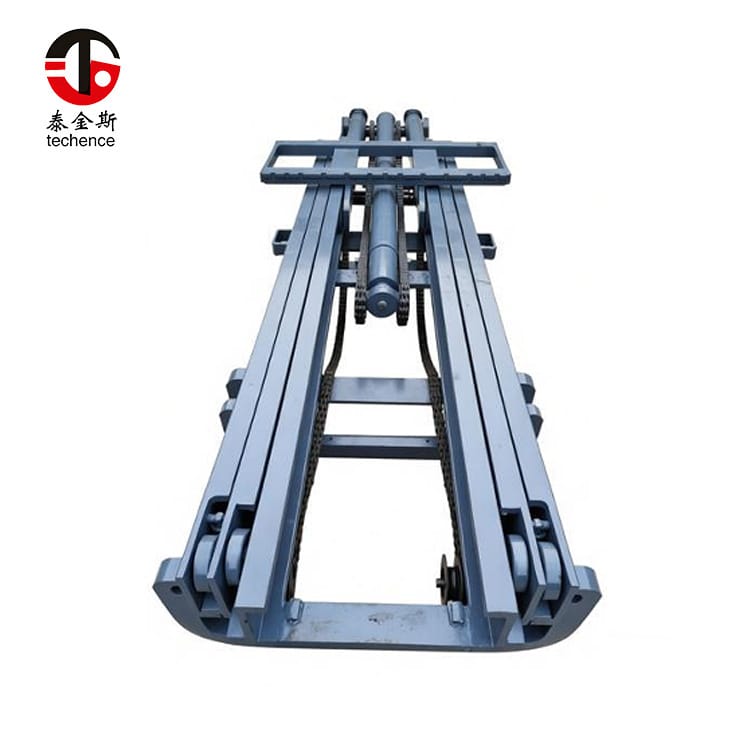
For buyers evaluating triplex mast, a triplex mast has a multi-stage arrangement, but stage count alone does not establish its maximum lift, free lift or capacity. Obtain the configuration drawing and relevant performance information for the actual assembly. Compare those values with the required storage and access conditions. A generic description of a three-stage mast cannot substitute for a confirmed installation specification.
Review the extension sequence for triplex mast
When specifying triplex mast, the movement of the carriage and mast stages determines the changing envelope. Ask the supplier for the intended sequence and the configuration in which free lift is stated. Include the attachment and load in the access assessment. Where a route has low overhead structures, the equipment owner should validate the permitted handling condition instead of assuming the mast remains within its collapsed height during every movement.
Account for guidance and service access for triplex mast
In a review of triplex mast, additional stage interfaces mean the inspection plan must identify the correct rails, rollers and lifting components. Keep adjustment and service information available to qualified technicians. Restricted access can make some components difficult to inspect, so maintenance provisions belong in the selection discussion. Do not alter clearances or substitute chain and roller parts based only on visual resemblance.
Compare the installed configuration for triplex mast
For a project involving triplex mast, confirm mounting, tilt connections, hydraulic requirements, mass and the applicable load information. A replacement mast needs the appropriate equipment approval, even if its collapsed and maximum heights match the original. Record the supplied scope and commissioning result against the approved revision. The value of a triplex arrangement comes from meeting a defined access and lifting requirement with a documented complete system.
Prepare the receiving plan for triplex mast
For buyers evaluating triplex mast, receiving triplex mast starts before the shipment arrives. Obtain the approved drawing, packing information and required inspection documents while there is still time to resolve missing items. Identify the person responsible for unloading and the person authorized to accept technical conformity. Those may be different roles. Check that suitable handling and storage arrangements are available for the delivered mass and shape. The inspection area should allow the component to be examined without placing staff beneath an unsupported item or exposing them to uncontrolled stored energy.
When specifying triplex mast, create an inspection form around the actual order requirements rather than a generic appearance checklist. For this application, the component will support warehouses balancing lift reach and doorway access; the key acceptance references include stage sequence, free lift, extended envelope. Put drawing dimension numbers beside the measurements to be recorded. Include fields for part identity, revision, quantity, packaging condition and document references. If inspection requires a gauge or calibrated instrument, make it available before the delivery is opened. This preparation reduces the temptation to accept an uncertain item simply because production is waiting for it.
Verify identity and condition of triplex mast
When specifying triplex mast, for triplex mast, compare the supplied marking and label with the purchase order and approved drawing. Record each delivered unit or matched set as appropriate. Check that the stated rating or operating information has a clear basis rather than interpreting a number without its units and configuration. Photograph identification and any transport damage before unpacking removes evidence. If several variants look similar, keep them separated until the inspection record confirms their identities. Color is a convenient visual cue but should not be the sole means of identifying a critical part.
Inspect accessible surfaces and interfaces for damage, contamination and missing protective or retaining items. Keep transport protection distinct from parts intended to remain in service. A scratch, deformation or contaminated port may require a different disposition depending on its location and the design. Record what is observed without inventing an acceptance limit. Where the drawing or manufacturer's guidance does not resolve the condition, request competent assessment. Do not hide damage with paint, polish a contact surface or remove material before the issue is documented and reviewed.

Measure triplex mast against the approved references
Dimensional inspection of triplex mast should follow the agreed datum and measurement condition. Begin with the interfaces that determine assembly and the characteristics identified as critical in the order. Record actual results rather than a series of unexplained check marks. For paired or assembled components, verify their relationship as well as each individual measurement. An item can meet isolated dimensions yet fail a required alignment or combined fit. If a fixture or gauge is used, identify it in the record so that the result can be reproduced.
Separate inspection of the delivered component from commissioning of the installed system. A controlled fit assessment can confirm that mating surfaces engage as intended, but it does not issue an operating capacity or replace required equipment approval. Hydraulic or moving assemblies need their appropriate installation procedure and competent personnel. Where a functional test is specified, use the agreed conditions and record the component identity. Avoid improvised load tests intended to prove strength without a defined method, suitable controls and responsible technical authorization.
Close acceptance and discrepancies for triplex mast
Acceptance of triplex mast should leave a clear outcome: accepted to the specified scope, held for a defined question or rejected against an identified requirement. For a discrepancy, state the drawing reference, measured or observed condition and the requested disposition. Keep the item identifiable while the issue is reviewed. A supplier's informal assurance should not erase the evidence or change the master drawing automatically. If a deviation is accepted, record who authorized it, its extent and whether it applies only to this delivery or to future production.
After acceptance, store the drawing, reports, photographs and installation references with the equipment record. Notify the maintenance and production teams of the approved part identity and any relevant limitations. Preserve traceability if the component later passes through fabrication or assembly. Good receiving practice does more than find defects: it creates a reliable starting condition for service. When a later problem arises, the team can compare it with a known delivery state rather than arguing about whether a mark, dimension or missing feature was present from the beginning.
A practical review example for triplex mast
Consider an illustrative procurement review for warehouses balancing lift reach and doorway access. The buyer has an existing installation, a drawing marked revision A and a supplier proposal marked revision B. No production result or customer case is implied by this example. The first review question is whether stage sequence, free lift, extended envelope are stated on both drawings using the same reference convention. Put the confirmed requirement, proposed value and evidence beside each other. An omitted dimension remains an open question; it does not become acceptable merely because the rest of the drawing appears similar.
For triplex mast, suppose the proposal changes one interface while retaining the advertised product name. Ask the supplier to identify the change and its effect on the mating assembly. If the difference changes fit, support or motion, obtain the responsible technical assessment before release. If it is accepted, issue a revised controlled drawing and carry that revision into the order, receiving record and equipment file. This example shows a decision method, not a universal dimensional limit or a substitute for equipment approval.
Decision and evidence comparison
| Decision point | Incomplete basis | Evidence to request |
|---|---|---|
| Application | Product name alone | warehouses balancing lift reach and doorway access |
| Critical interfaces | Overall size or photograph | stage sequence, free lift, extended envelope |
| Compatibility | It fits during an unloaded check | Approved drawing and host-configuration review |
| Manufacturing scope | Generic quality claim | Specified material, processing and traceable inspection |
| Release | An informal message | Accepted revision, documented deviations and receiving record |
For general workplace context, consult the UK HSE lift-truck guidance. Its workplace guidance complements the equipment instructions; this link does not certify a Techence product or replace application-specific technical approval.
Review Techence’s Forklift Mast Assembly product page, then send Techence your drawing and application requirements for confirmation of the proposed scope.
To discuss triplex mast, prepare the current drawing revision, quantity, host equipment details and the evidence needed for receiving inspection and acceptance records. Ask Techence to confirm the available configuration and identify any assumptions before quotation or production release.
Frequently asked questions
What information is needed for triplex mast in this application?
Provide the host equipment identity, a current drawing and a description of warehouses balancing lift reach and doorway access. Identify stage sequence, free lift, extended envelope, the supplied scope and any unknown requirements. Distinguish original design values from measurements taken from a worn part. The supplier can then confirm the proposal against a defined interface instead of guessing from the product name.
Can a matching size prove that triplex mast is compatible?
No. Overall size is only one comparison. For triplex masts for restricted overhead space, check stage sequence, free lift, extended envelope and the effect on connected components, load geometry or motion. Material condition and approved operating requirements also need the appropriate evidence. A controlled fit assessment supports the decision but does not establish the capacity of the complete machine.
Which records should accompany triplex mast?
Keep the approved drawing revision, component identification, agreed inspection results and any required functional or test records together. The evidence should identify the delivered unit or set and state the scope actually checked. For triplex masts for restricted overhead space, retain the mating-assembly information so that later replacements can reproduce the approved configuration.
When should the triplex masts for restricted overhead space application be reviewed again?
Review a change in host equipment, intended load, support arrangement, installation envelope or operating requirements that affects the approved configuration. Pay particular attention to stage sequence, free lift, extended envelope. A substitute part or revised supplier drawing also needs assessment against the controlled requirement. The equipment owner and responsible engineer should resolve the affected interfaces before release.
How can a buyer request a quotation for triplex mast?
Send Techence the application description, drawing, quantity, equipment details and documentation requirements. State that the inquiry concerns triplex masts for restricted overhead space and receiving inspection and acceptance records. Ask the team to identify assumptions and proposed alternatives explicitly. Confirm the final drawing and scope before manufacture; published category information alone cannot determine the correct configuration for every installation.