Table of Contents
Introduction
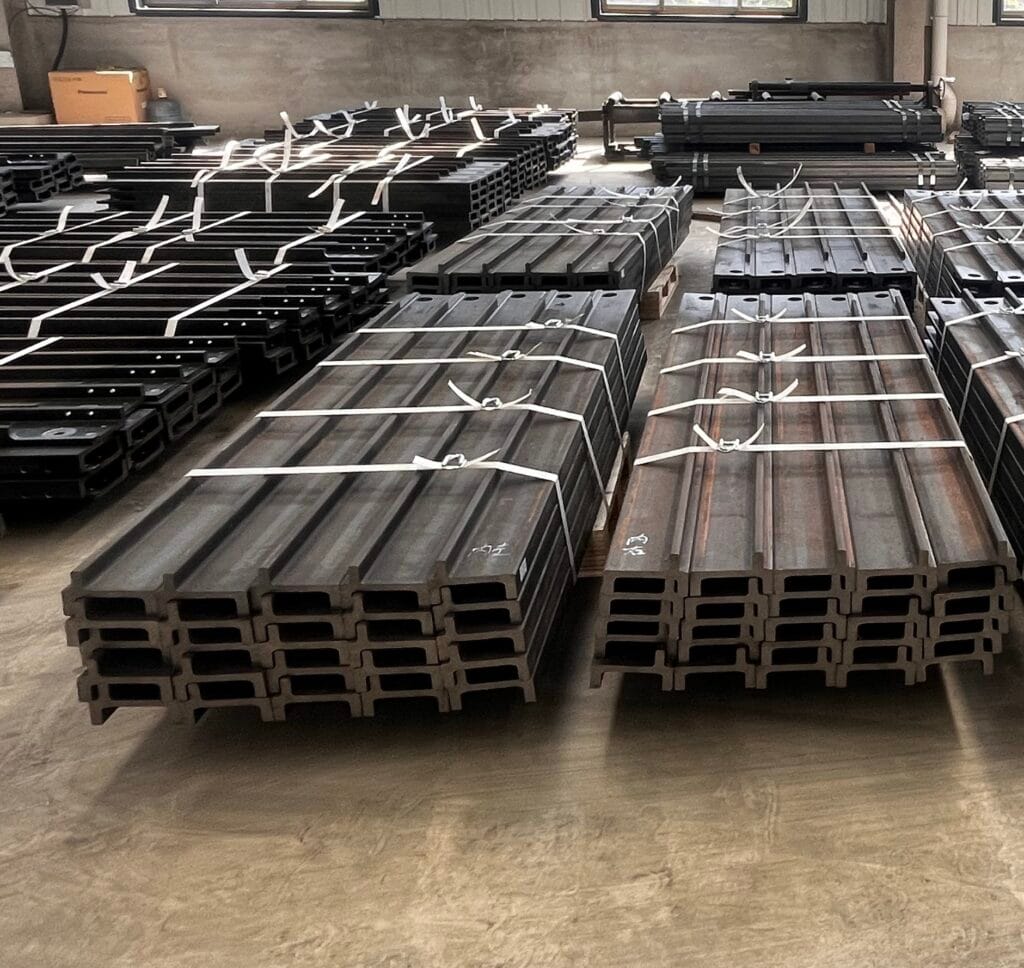
Forklift accessories play an important role in safer, more stable, and more efficient material handling. A forklift can lift and move loads, but the right accessories help the equipment adapt to different load shapes, working spaces, handling frequencies, and safety requirements.
In many daily operations, handling problems do not come from the forklift itself. They often come from poor load support, unsuitable fork length, limited visibility, unstable goods, worn fork surfaces, or accessories that do not match the actual working condition. That is why forklift accessories should be selected as part of the whole handling system, not as simple add-ons.
This article explains how to evaluate forklift accessories from a practical technical perspective. It covers common accessory types, load support, safety inspection, compatibility, maintenance, and selection details that help equipment users improve handling performance without adding unnecessary complexity.
What Are Forklift Accessories?
Forklift accessories are additional components or supporting parts used with forklifts to improve load handling, safety, visibility, positioning, protection, or daily operation. Some accessories directly contact the load, while others support inspection, protection, or operator awareness.
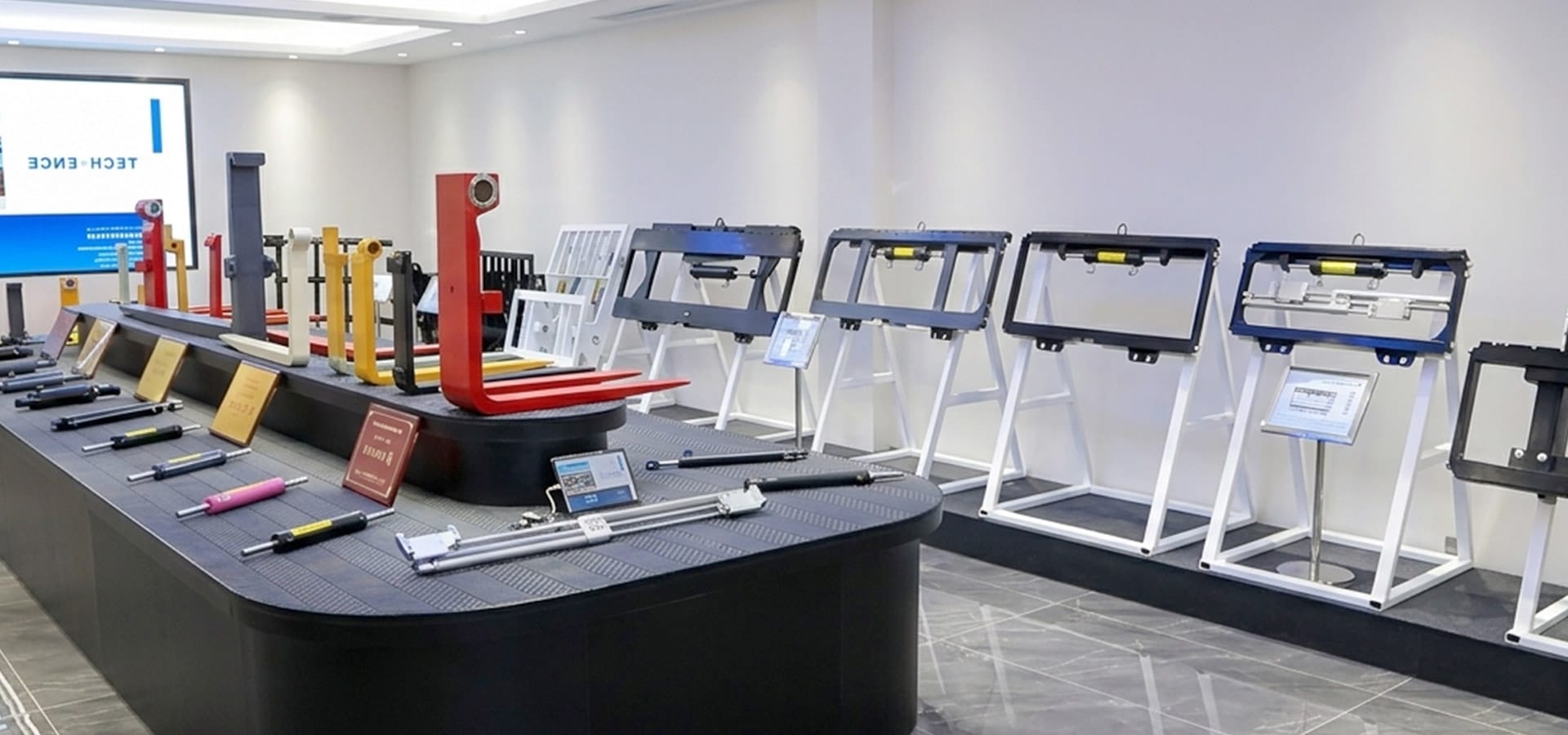
Common forklift accessories include fork extensions, pallet forks, fork sleeves, fork positioners, load backrests, safety lights, mirrors, warning alarms, fork protectors, and attachment-related parts. For industrial handling work, accessories related to fork performance are especially important because forks are the main contact point between the machine and the load.
A forklift is designed to lift and move materials over short distances. In real working conditions, forklift accessories help the machine adapt to more load types and working scenarios. However, each accessory must be matched correctly to the forklift, load, and environment.
Why Forklift Accessories Matter in Daily Operations
Forklift accessories matter because they affect how the load is supported, positioned, moved, and controlled. Even a strong forklift may perform poorly if the load is not properly supported or if the accessory does not fit the task.
For example, long loads may need more fork support. Wide loads may need better contact area. Repetitive work may need accessories that improve positioning speed. Busy work areas may need better visibility and warning systems. Heavy-duty handling may need stronger fork structures and better inspection routines.
The right forklift accessories can help improve:
Load support
Handling stability
Fork entry efficiency
Operator visibility
Equipment protection
Inspection convenience
Daily workflow consistency
Risk control during movement
The key is to choose accessories based on real application needs, not only product names or appearance.
Main Types of Forklift Accessories
Forklift accessories can be grouped by function. Understanding these categories helps users choose the right solution for each handling task.
Load support accessories are used to improve contact with the load. These include fork extensions, pallet forks, fork sleeves, and load backrests. They are important when load length, shape, or contact area affects stability.
Safety and visibility accessories help operators work more confidently in active environments. These may include mirrors, lights, alarms, warning indicators, and protective guards.
Protection accessories help reduce wear or damage to forks, loads, and equipment. Examples include fork protectors, surface covers, and handling pads for specific load types.
Positioning accessories support smoother and more accurate fork movement. In some applications, fork positioners or related systems help adjust fork spacing for different load sizes.
Each type of forklift accessory should solve a clear handling problem. If the problem is not clear, the accessory may add complexity without improving performance.
Match Forklift Accessories to the Load Type
The first step in selecting forklift accessories is understanding the load. Different loads need different support methods.
For standard palletized goods, accessories should focus on smooth fork entry, stable fork spacing, and load back support. If the load is regular and predictable, simple fork-related accessories may be enough.
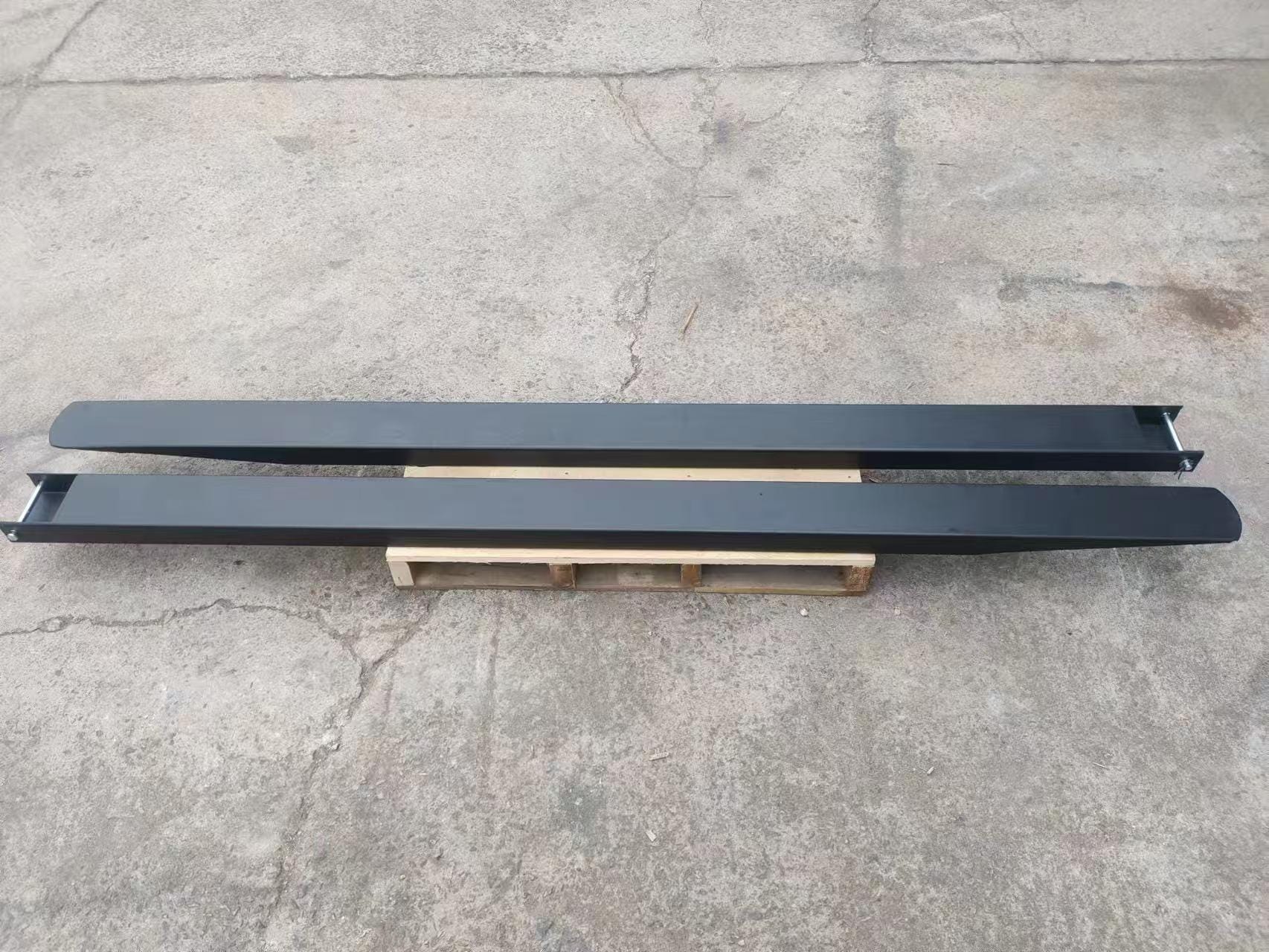
For long loads, support length becomes more important. Fork extensions may help when the original forks are not long enough to support the full load depth. The fork extensions structure is a relevant example when evaluating longer load support, fit, and stability.
For heavy or compact loads, accessory selection should focus on structural strength, fork condition, and load center control. A longer accessory is not always safer if it moves the load center forward.
For irregular loads, contact area and balance matter more. The accessory should help create stable support instead of allowing the load to tilt, shift, or concentrate pressure on one small point.
A good accessory selection always starts with the load’s shape, size, weight distribution, and handling behavior.
Fork Extensions, Pallet Forks, and Fork-Related Accessories
Fork-related accessories are among the most important forklift accessories because they directly affect load contact. They also influence safety, efficiency, and fork service life.
Fork extensions are used when a load is longer than the standard forks and needs more support underneath. They are useful for stable long loads, but they do not increase forklift capacity. If they move the load center too far forward, stability may decrease.
Pallet forks are used to lift and support pallets, crates, materials, and other loads from below. They must match the machine, load weight, load center, and mounting system.
Fork sleeves or fork covers may be used to protect load surfaces or reduce contact damage in specific applications. Their use should not interfere with fork entry, load balance, or inspection.
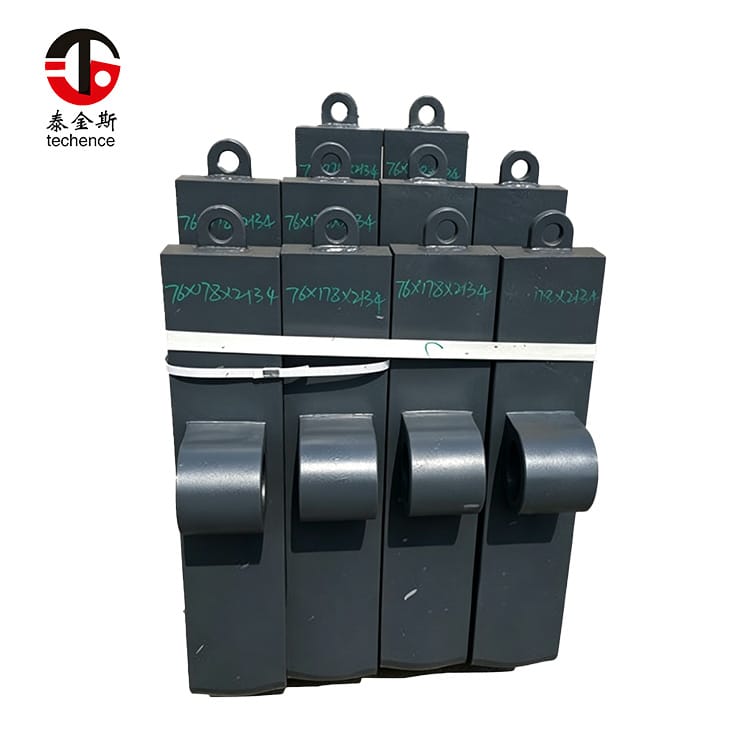
For applications where the fork itself needs high structural strength, a forged forklift fork provides useful context for evaluating fork durability, load-bearing performance, and long-term handling reliability.
Forklift Accessories Selection Table
| Accessory Type | Main Function | Best-Fit Application | Key Technical Check |
|---|---|---|---|
| Fork extensions | Increase support length | Long or bulky stable loads | Extension length, locking, load center |
| Pallet forks | Lift and support pallets or materials | Palletized goods, crates, mixed handling | Capacity, length, width, mounting fit |
| Load backrest | Help prevent rearward load movement | Stacked goods or taller loads | Height, mounting, visibility |
| Fork protectors | Reduce contact wear or surface damage | Sensitive or finished materials | Fit, surface condition, load contact |
| Warning lights | Improve visual awareness | Busy operating areas | Light position, visibility range |
| Mirrors | Improve operator view | Tight spaces or repeated positioning | Mounting stability and field of view |
| Alarms | Support movement awareness | Shared work areas | Sound level and working condition |
| Fork position support | Adjust fork spacing more efficiently | Mixed pallet sizes or varied loads | Compatibility and movement control |
This table shows that forklift accessories should be selected by function. A useful accessory should improve a specific part of the handling process, such as support, visibility, protection, or positioning.
Check Compatibility Before Using Forklift Accessories
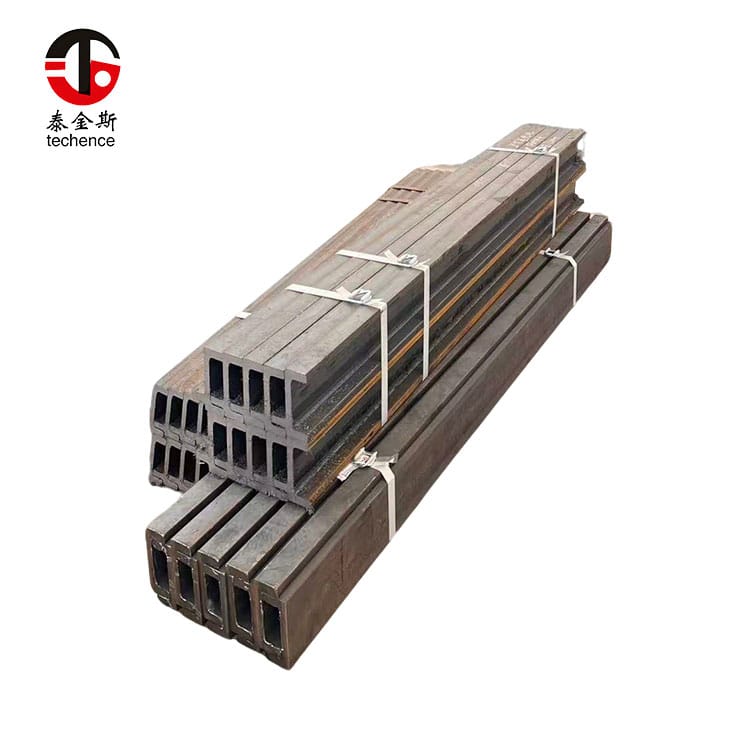
Compatibility is one of the most important technical points. A forklift accessory must fit the machine, forks, carriage, load, and working environment.
For fork-related accessories, check fork length, width, thickness, and condition. If the original forks are bent, cracked, worn, or poorly aligned, accessories may not perform safely.
For attachment-style accessories, check mounting structure, locking method, carriage type, and movement clearance. Poor fit can create unwanted movement during lifting or travel.
For visibility or warning accessories, check placement. A light, mirror, or alarm must be positioned where it improves awareness without blocking operation or becoming easy to damage.
Compatibility should include:
Fork size
Carriage type
Load weight
Load center
Working space
Accessory locking method
Machine movement clearance
Inspection access
Operator visibility
When these points are checked before use, forklift accessories become easier to control and more reliable in daily work.
How Forklift Accessories Affect Load Stability
Forklift accessories can improve load stability, but they can also reduce it if used incorrectly. The effect depends on how the accessory changes the load position and support area.
Fork extensions, for example, can support longer loads better. At the same time, they may move the load center forward. This increases leverage and can reduce stability if the load is too heavy or positioned incorrectly.
Load backrests can help support taller loads, but they must be matched to the load height and visibility needs. Fork protectors can protect surfaces, but they should not make the fork too thick for safe entry or reduce load grip.
The safest approach is to ask one practical question: does this accessory make the load easier to support and control under real working conditions?
If the answer is yes, the accessory is likely useful. If it only adds length, weight, or complexity without improving control, it may not be the right choice.
Safety Inspection Before Operation
Forklift accessories should be inspected before operation, especially if they directly support or contact the load.
For fork-related accessories, check for cracks, bending, loose parts, worn edges, surface deformation, and poor alignment. Both sides should sit evenly and support the load at the same height.
For locking parts, check that the accessory stays secure during movement. A loose accessory can shift, slide, or create uneven loading.
For lights, mirrors, and warning devices, check visibility, function, and mounting stability. A safety accessory that is blocked, broken, or loose cannot provide reliable support.
A basic inspection routine should include:
Visible cracks
Bending or deformation
Locking condition
Mounting fit
Surface wear
Alignment
Function test
Base fork condition
Signs of impact
Cleanliness
Inspection should be part of normal use, not only a response after a problem appears.
Common Forklift Accessories Mistakes to Avoid
One common mistake is using forklift accessories without checking load center. Any accessory that changes load position can affect forklift stability.
Another mistake is assuming that an accessory increases capacity. Most accessories improve support, visibility, or handling convenience, but they do not change the forklift’s basic rated capability.
Some users choose accessories only by size. Size matters, but fit, locking, load behavior, material strength, and working space are just as important.
Using accessories on damaged forks is also unsafe. Fork-related accessories depend on the base fork condition. If the original fork is not safe, the accessory cannot solve the problem.
Another mistake is ignoring inspection after impact. Even if an accessory still looks usable, hidden deformation or stress may reduce reliability.
A professional approach is to match every accessory to a clear handling requirement and inspect it regularly.
Maintenance Tips for Longer Service Life
Maintenance helps forklift accessories remain reliable and easier to inspect. The most important habit is keeping accessories clean and checking them consistently.
Fork-related accessories should be cleaned after use, especially in dusty, wet, or abrasive environments. Dirt and residue can hide cracks, wear, and deformation.
Locking parts should be checked regularly. If a lock is loose, worn, missing, or hard to secure, the accessory should not be used until the issue is corrected.
Accessories should be stored properly when not in use. They should not be dragged across rough ground, dropped, struck, or left where other equipment may damage them.
For high-frequency use, inspection records are helpful. If an accessory has experienced impact, overload, or abnormal operation, it should be reviewed before returning to service.
Good maintenance supports longer service life and safer daily handling.
Technical Factors That Improve Handling Efficiency
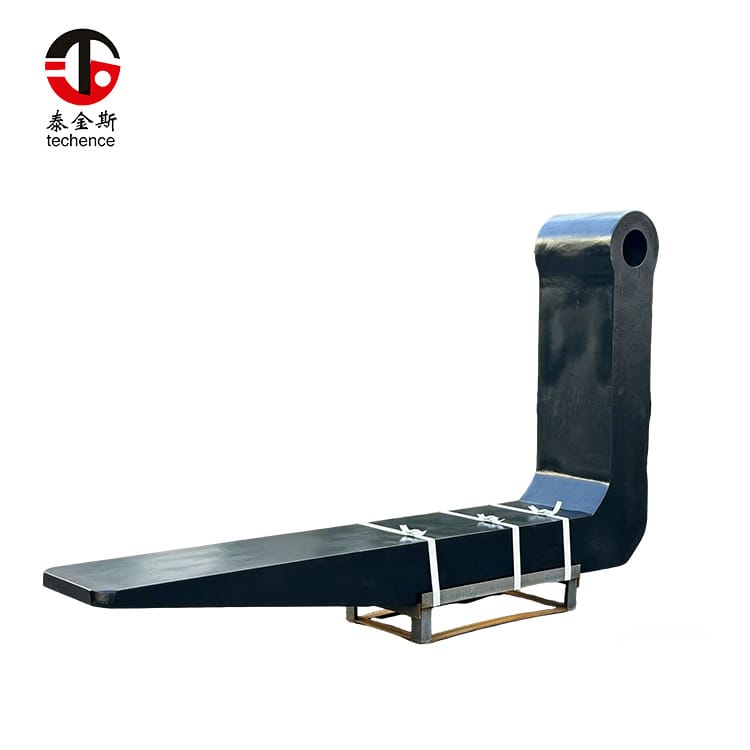
The right forklift accessories can improve efficiency by reducing unnecessary repositioning, improving load contact, and making operation more predictable.
Fork-related accessories improve efficiency when they help the operator enter the load space faster and support the load more evenly. Visibility accessories improve efficiency when they help reduce blind spots and support smoother positioning. Protection accessories improve efficiency when they reduce load damage and avoid repeated adjustments.
Several technical factors improve performance:
Correct accessory size
Secure locking structure
Smooth surface finish
Strong material performance
Clear visibility improvement
Easy inspection access
Good fit with the machine
Stable load contact
Simple maintenance process
The Shandong Techence website provides relevant product context for industrial fork and accessory applications where load support, structural consistency, and practical handling performance are important.
When accessories are selected based on these factors, they support safer operation and smoother workflow.
Conclusion
Forklift accessories are more than optional add-ons. They help forklifts adapt to different loads, working spaces, handling frequencies, and safety requirements. The right accessories can improve load support, visibility, positioning, protection, and daily efficiency.
However, accessories must be selected and used carefully. They should match the forklift, forks, load type, load center, working environment, and inspection routine. An accessory that does not fit the real application may create more problems than it solves.
The best forklift accessories are the ones that solve a specific handling challenge while keeping the whole lifting system stable, visible, and easy to inspect. When selection is based on real working conditions, forklift accessories can support safer, more efficient, and more reliable material handling.
FAQ
What are forklift accessories used for?
Forklift accessories are used to improve load support, safety, visibility, protection, and handling efficiency. They can help a forklift adapt to different load shapes, working spaces, and daily operating needs when selected and used correctly.
What are common forklift accessories?
Common forklift accessories include fork extensions, pallet forks, load backrests, mirrors, warning lights, alarms, fork protectors, and fork-related support parts. Each accessory should match a specific handling need instead of being added without a clear purpose.
Do forklift accessories increase forklift capacity?
Most forklift accessories do not increase forklift capacity. Some accessories may even change the load center or add extra weight. The forklift’s rated capability, load position, and accessory effect must always be reviewed together.
How do I choose the right forklift accessories?
Choose forklift accessories by checking load type, machine compatibility, fork size, load center, working space, accessory fit, locking method, inspection needs, and operator visibility. The right accessory should improve control without reducing stability.
When should forklift accessories be inspected?
Forklift accessories should be inspected before use and after impact, overload, or abnormal operation. Check for cracks, bending, loose locks, poor fit, wear, deformation, damaged mounting parts, and any condition that may affect safe handling.