Table of Contents
Pallet fork extensions must be specified around a real installation. In long pallets and packaged loads with defined entry pockets, the purchasing question is how pallet fork extensions and packaging support should satisfy drawing requirements before ordering. This guide focuses on that decision and the evidence a buyer should collect before releasing work. It does not assign a new machine capacity or claim a universal service interval.
The review of pallet fork extensions should begin with pallet underside clearance, sleeve wall envelope, cargo support. A clear drawing, known host configuration and an agreed acceptance plan make the supplier conversation more useful. The following checks explain how to turn those inputs into a documented decision.
Check the complete pallet underside for pallet fork extensions
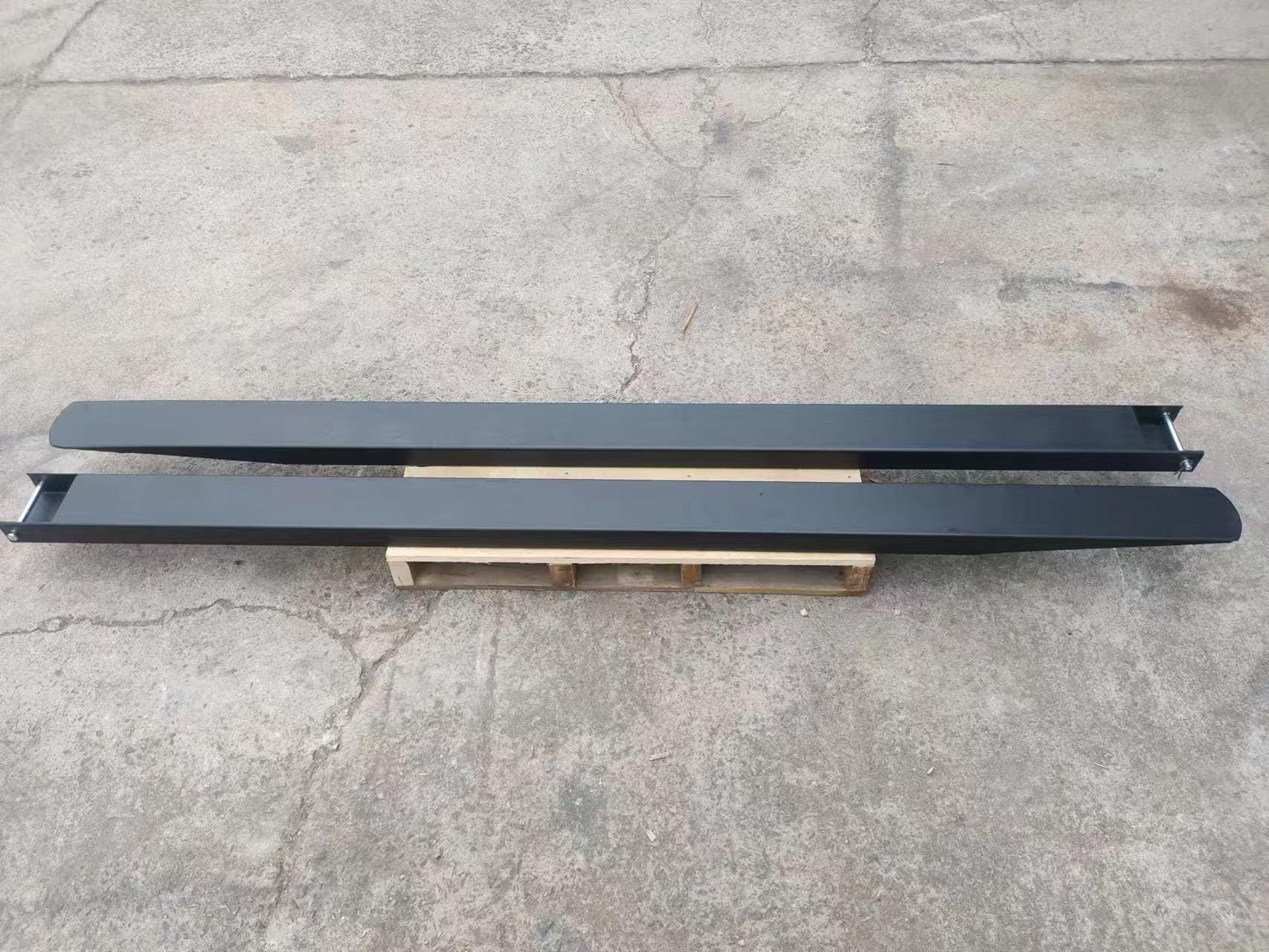
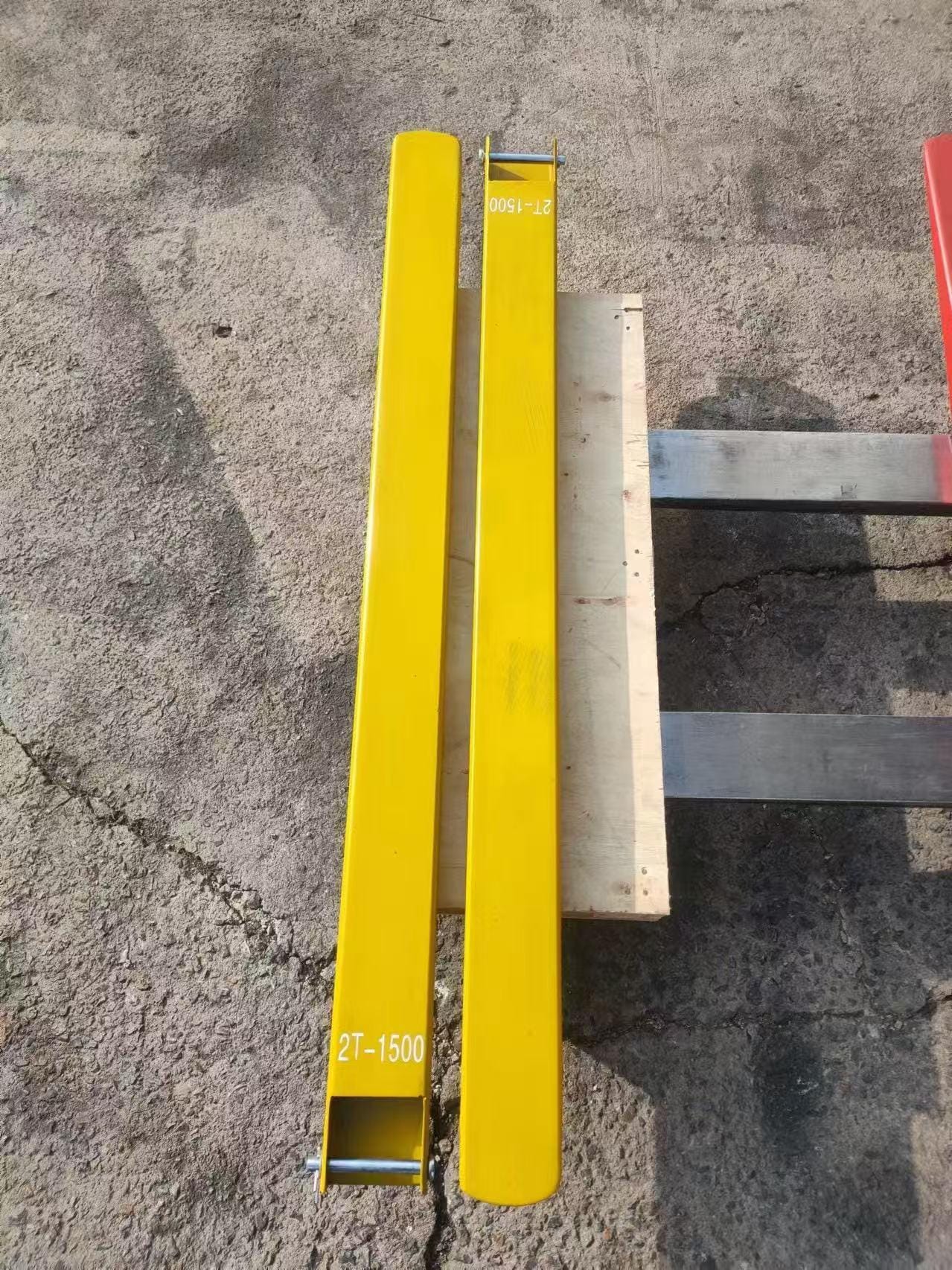
For buyers evaluating pallet fork extensions, a sleeve increases the outside dimensions presented to a pallet opening. Measure the loaded opening, the deck-board arrangement and any obstructions at the far end. A sleeve can fit the host fork yet fail to enter the pallet fully. Include a section sketch through the package base in the inquiry. Where pallets arrive from several suppliers, inspect their actual variation instead of assuming a nominal pallet size guarantees a consistent opening.
Review where the package rests for pallet fork extensions
When specifying pallet fork extensions, the load may contact a different surface after an extension is installed. Establish whether the pallet is supported across suitable members and whether the sleeve creates unwanted local pressure. Damaged boards, soft package bases and irregular runners need separate assessment. The intended load center must be based on the loaded package and its contents, not on half the advertised pallet length when the contents are unevenly distributed.
Control access beyond the pallet for pallet fork extensions
In a review of pallet fork extensions, an extension can project through an opening into another load or structure. Check the intended insertion depth, neighboring cargo and rack clearances. Record the operating boundary so that the same equipment is not assumed suitable for every pallet on the site. These checks belong in the equipment owner's application review and procedure. An extension should not be selected solely because it is the longest item available in a catalog.
Keep the host and sleeve records linked for pallet fork extensions
Store the host-fork identification, sleeve drawing, retention details and approved application together. If the host forks are replaced, reassess sleeve compatibility instead of transferring the sleeves automatically. Receiving inspection should verify the internal envelope and retaining arrangement before a controlled fit assessment. A successful fit is useful evidence, but the installed load rating still requires the appropriate equipment approval and documentation.
Build a usable drawing package for pallet fork extensions
The first deliverable in a specification project is a drawing that two independent teams can interpret in the same way. For pallet fork extensions, start with the host equipment identity, the component's function and the exact mating assembly. Put the drawing number, revision and units in a visible location. List the source of each critical value: original design information, a verified measurement or a requirement awaiting confirmation. This prevents a dimension taken from a worn sample from silently becoming the intended new-part geometry.
Keep the application description beside the drawing rather than relying on an informal conversation. Explain long pallets and packaged loads with defined entry pockets, the intended load or movement and the conditions that constrain the installation. Photographs should show the relevant reference points and identification, but they should supplement dimensioned information. A photograph can reveal the overall arrangement; it cannot establish a hidden internal dimension, a pressure requirement or a rated capacity. Where the information is incomplete, leave a specific question for the responsible engineer instead of filling the gap with a plausible number.
Choose datums and tolerances for pallet fork extensions
For pallet fork extensions, the key references are pallet underside clearance, sleeve wall envelope, cargo support. Select datums that correspond to how the part locates in the assembly. Measure related features from a consistent reference so that tolerances do not accumulate in an uncontrolled chain. Distinguish a dimension that controls fit from one that only describes the outside envelope. The supplier needs to know which characteristics require close inspection and which may follow an agreed general tolerance. Applying an unusually tight tolerance everywhere can increase cost without improving the assembled result.
Consider how the inspection team will verify each requirement. A dimension that cannot be reached after assembly may need an earlier inspection stage, while a functional relationship may require checking the completed unit. Specify the measurement condition, including support and orientation when those affect the result. If the buyer and supplier use different gauges or datum conventions, resolve that difference before sample approval. The final inspection report should refer to the same dimension identifiers as the released drawing, making deviations easy to locate and discuss.
Set a controlled release process for pallet fork extensions
A specification for pallet fork extensions should distinguish preliminary review, sample manufacture and production release. Mark an early drawing as preliminary if its interfaces or load basis remain unresolved. When the supplier proposes an alternative section, connection or manufacturing detail, show that proposal on a revised drawing with a clear disposition. Do not approve a change only in a message while leaving the manufacturing file unchanged. The accepted drawing must reflect the actual component expected at delivery.
Create a short revision record that states what changed, why it changed and whether a new fit or engineering assessment is needed. A cosmetic change and a load-path change do not require the same review, but both need a clear identity. Keep superseded drawings out of the active order package. If the project involves a customer, fabricator and component supplier, identify who controls the master and who can authorize a revision. That responsibility should be settled before work reaches the shop floor.
Define verification evidence for pallet fork extensions
The documentation request for pallet fork extensions should be specific enough to price and perform. Identify required material information, dimensional inspection, functional checks and any design-dependent test evidence. Agree the acceptance criteria and the link between reports and delivered identification. A generic certificate or a report from a different sample does not answer whether the shipped component matches the approved drawing. Where testing is required, the responsible parties should define its method, conditions and acceptance basis before manufacture.
At handover, retain the released drawing, approved deviations, final inspection and equipment compatibility decision together. Compare the delivered identification with the order before starting installation. If a critical dimension differs, record the measured result and ask for a formal disposition; do not modify the part merely to make it fit. The useful outcome is a reproducible specification that supports receiving, commissioning and future replacement. A well-controlled drawing package saves time because each team can see exactly what is known, what must be checked and which revision governs the work.
A practical review example for pallet fork extensions
Consider an illustrative procurement review for long pallets and packaged loads with defined entry pockets. The buyer has an existing installation, a drawing marked revision A and a supplier proposal marked revision B. No production result or customer case is implied by this example. The first review question is whether pallet underside clearance, sleeve wall envelope, cargo support are stated on both drawings using the same reference convention. Put the confirmed requirement, proposed value and evidence beside each other. An omitted dimension remains an open question; it does not become acceptable merely because the rest of the drawing appears similar.
For pallet fork extensions, suppose the proposal changes one interface while retaining the advertised product name. Ask the supplier to identify the change and its effect on the mating assembly. If the difference changes fit, support or motion, obtain the responsible technical assessment before release. If it is accepted, issue a revised controlled drawing and carry that revision into the order, receiving record and equipment file. This example shows a decision method, not a universal dimensional limit or a substitute for equipment approval.
Decision and evidence comparison
| Decision point | Incomplete basis | Evidence to request |
|---|---|---|
| Application | Product name alone | long pallets and packaged loads with defined entry pockets |
| Critical interfaces | Overall size or photograph | pallet underside clearance, sleeve wall envelope, cargo support |
| Compatibility | It fits during an unloaded check | Approved drawing and host-configuration review |
| Manufacturing scope | Generic quality claim | Specified material, processing and traceable inspection |
| Release | An informal message | Accepted revision, documented deviations and receiving record |
For general workplace context, consult the UK HSE lift-truck guidance. Its workplace guidance complements the equipment instructions; this link does not certify a Techence product or replace application-specific technical approval.
Review Techence’s Fork extension product page, then send Techence your drawing and application requirements for confirmation of the proposed scope.
To discuss pallet fork extensions, prepare the current drawing revision, quantity, host equipment details and the evidence needed for drawing requirements before ordering. Ask Techence to confirm the available configuration and identify any assumptions before quotation or production release.
Frequently asked questions
What information is needed for pallet fork extensions in this application?
Provide the host equipment identity, a current drawing and a description of long pallets and packaged loads with defined entry pockets. Identify pallet underside clearance, sleeve wall envelope, cargo support, the supplied scope and any unknown requirements. Distinguish original design values from measurements taken from a worn part. The supplier can then confirm the proposal against a defined interface instead of guessing from the product name.
Can a matching size prove that pallet fork extensions is compatible?
No. Overall size is only one comparison. For pallet fork extensions and packaging support, check pallet underside clearance, sleeve wall envelope, cargo support and the effect on connected components, load geometry or motion. Material condition and approved operating requirements also need the appropriate evidence. A controlled fit assessment supports the decision but does not establish the capacity of the complete machine.
Which records should accompany pallet fork extensions?
Keep the approved drawing revision, component identification, agreed inspection results and any required functional or test records together. The evidence should identify the delivered unit or set and state the scope actually checked. For pallet fork extensions and packaging support, retain the mating-assembly information so that later replacements can reproduce the approved configuration.
When should the pallet fork extensions and packaging support application be reviewed again?
Review a change in host equipment, intended load, support arrangement, installation envelope or operating requirements that affects the approved configuration. Pay particular attention to pallet underside clearance, sleeve wall envelope, cargo support. A substitute part or revised supplier drawing also needs assessment against the controlled requirement. The equipment owner and responsible engineer should resolve the affected interfaces before release.
How can a buyer request a quotation for pallet fork extensions?
Send Techence the application description, drawing, quantity, equipment details and documentation requirements. State that the inquiry concerns pallet fork extensions and packaging support and drawing requirements before ordering. Ask the team to identify assumptions and proposed alternatives explicitly. Confirm the final drawing and scope before manufacture; published category information alone cannot determine the correct configuration for every installation.