جدول المحتويات
مقدمة
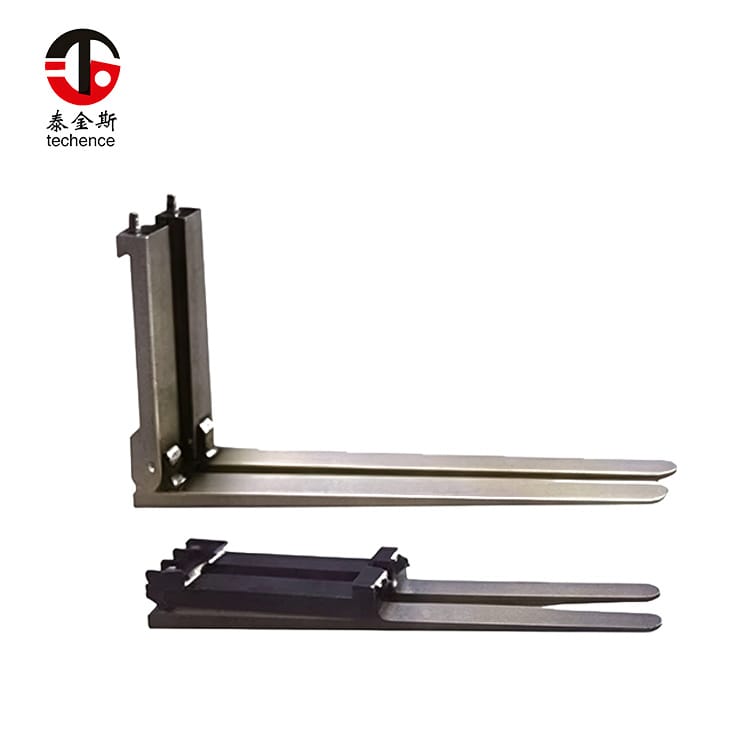
تعد شوكات الرافعة الشوكية ضرورية أثناء التعامل مع الحمولة، ولكن يمكن أن يصبح طول الشفرة الكامل عيبًا عندما تتحرك الماكينة بدون حمولة، أو يتم نقلها، أو إيقافها في منطقة مدمجة، أو المناورة عبر طريق مقيد.
تستمر الشوكات الثابتة في الظهور من مقدمة الماكينة حتى في حالة عدم استخدامها. يزيد هذا الإسقاط من غلاف التشغيل الإجمالي للمعدات وقد يؤدي إلى تعقيد تغييرات الدوران والتخزين والنقل والوصول إلى المدخل والمرفقات.
تعالج الشوكات القابلة للطي هذه المشكلة من خلال السماح للشفرة الأفقية بالدوران لأعلى حول مفصلة معززة. في الوضع المطوي، يتم تثبيت الشفرة بالقرب من ساق الشوكة أو الحامل، مما يقلل من مقدار طول الشوكة غير المدعوم الممتد أمام المعدات.
يمكن لوظيفة الطي أن تحسن القدرة على المناورة أثناء عدم العمل، ولكنها تقدم أيضًا اعتبارات هندسية إضافية. يجب تقييم دبوس المفصلة، وجهاز القفل، ومكونات الاحتفاظ، ومحاذاة الشفرة، وسعة الشوكة، وتركيب الحامل، والخلوص المطوي.
النقاط الرئيسية التي تغطيها هذه المقالة تشمل:
- كيف تعمل الشوكات القابلة للطي
- حيث يخلق التصميم قيمة عملية
- كيف تنقل المفصلة الحمل
- ما الذي يجب قياسه قبل الاختيار
- كيف يمكن مقارنة الشوكات القابلة للطي بأنظمة الشوكة البديلة
- ما هي ميزات القفل والاحتفاظ التي تحتاج إلى فحص
- كيفية إجراء تجربة تشغيلية خاضعة للرقابة
- ما هي أخطاء الصيانة التي يمكن أن تقصر عمر الخدمة
يستخدم التحليل التالي سيناريو تمثيليًا للتعامل مع المواد بدلاً من المطالبة بنتائج مشروع عميل محدد.
ما هي الشوكات القابلة للطي؟
الشوكات القابلة للطي عبارة عن شوكات رافعة شوكية متخصصة مع وصلة مفصلية بين الشفرة وقسم الشوكة المستقيم.
عادة ما يتم تشكيل الشوكة التقليدية كمكون مستمر على شكل حرف L. تمتد نصلها أفقيًا أسفل الحمل، بينما تربط ساقها الشوكة بالحامل. تقسم الشوكات القابلة للطي هذا الهيكل إلى أقسام متصلة بحيث يمكن للشفرة أن تدور لأعلى عندما لا تحمل حمولة.
قد تتضمن مجموعة الشوكة القابلة للطي النموذجية ما يلي
- شفرة شوكة أفقية
- ساق عمودية
- العروات المفصلية أو لوحات التوصيل
- دبوس المفصلي
- مثبتات الدبوس
- قفل موضع التشغيل
- ضبط النفس في وضع مطوي
- خطافات النقل أو تركيب العمود
- قفل موضع الشوكة
- علامات التعريف والقدرة
لا ينبغي الخلط بين الشوكات القابلة للطي وملحق الحامل المفصلي الذي يميل مجموعة الشوكة بأكملها للأمام. مع الشوكات القابلة للطي، تدور شفرات الشوكة الفردية حول مفصل بالقرب من منطقة الكعب.
موقف التشغيل
في وضع التشغيل، يتم إنزال الشفرة إلى وضعها الأفقي المعتمد ويتم تثبيتها وفقًا للتصميم.
يمتد مسار التحميل بعد ذلك من الشفرة عبر منطقة المفصلة والساق وواجهة التثبيت والعربة والصاري وهيكل الرافعة الشوكية.
المفصلة ليست غير نشطة أثناء الرفع. إنه جزء من النظام الهيكلي ويجب أن يقاوم القوى الناتجة عن الحمل.
موقف مطوية
في الوضع المطوي، يتم رفع الشفرة نحو الساق أو العربة.
يجب تثبيت الشفرة بواسطة نظام تقييد مناسب، مثل دبوس القفل، أو المشبك، أو السلسلة، أو دعامة التثبيت، أو أي جهاز آخر معتمد. يعتمد النظام الدقيق على تصميم الشوكة القابلة للطي.
لا ينبغي أبدًا ترك الشفرة مرتفعة جزئيًا أو غير آمنة. قد تتسبب حركة الماكينة أو الاهتزاز أو المنحدر أو الاتصال العرضي في حدوث تغيير غير متحكم فيه في موضع الشفرة.
الطي هو وظيفة عدم التحميل
عادةً ما تكون عملية الطي مخصصة للشوكة المفرغة.
يجب إزالة الحمولة، ووضع المعدات في حالة خاضعة للرقابة، ووضع الشفرات وفقًا لإجراءات الشركة المصنعة قبل بدء الطي.
ليس المقصود من الشوكات القابلة للطي أن تدور لأعلى أثناء دعم البضائع ما لم ينص تصميم هندسي محدد على هذه الوظيفة صراحةً.
دراسة التطبيق التمثيلي
فكر في عملية مناولة المواد باستخدام آلة الرفع التي تؤدي مهمتين متميزتين:
- يقوم برفع المعدات المنقولة على منصات نقالة أو مؤطرة في منطقة العمل.
- كثيرًا ما يسافر أو يوقف أو يتم نقله دون حمل حمولة.
تعتبر شفرات الشوكة الثابتة ضرورية أثناء الرفع، لكن طولها الكامل لا يوفر أي فائدة أثناء الحركة بدون تحميل.
مشكلة التشغيل الأصلية
مع تثبيت الشوكات الثابتة، يظل البروز الأمامي للآلة دون تغيير طوال اليوم.
وهذا يخلق العديد من القضايا العملية:
- مطلوب مساحة أكبر عند الدوران
- يمكن أن تمتد النصائح إلى طرق المشاة أو المعدات
- يجب أن تستوعب مناطق وقوف السيارات طول الشفرة بالكامل
- تحتاج منصات النقل إلى تصريح إضافي
- يصبح تخزين المرفقات أكثر صعوبة
- قد يتم تقييد الوصول إلى المدخل وورشة العمل
- يجب أن يظل المشغل على دراية بأطراف الشفرة التي قد يكون من الصعب رؤيتها
يمكن أن تؤدي إزالة الشوكات إلى تقليل البروز، لكن الإزالة المتكررة تتطلب معدات رفع ومساحة تخزين ووقت تركيب وفحص تركيب متكرر.
بديل الشوكة القابلة للطي
تحتفظ الشوكات القابلة للطي بوظيفة معالجة الحمولة مع السماح برفع الشفرات عندما لا تعمل الماكينة مع الحمولة.
تصبح العملية المنقحة:
- أكمل مهمة معالجة الأحمال.
- خفض الشوكات إلى موضع يمكن التحكم فيه.
- تأكد من تفريغ الشفرات.
- قم بإيقاف المعدات وتأمينها وفقًا لإجراءات التشغيل.
- الافراج عن آلية الطي المعتمدة.
- ارفع كل شفرة.
- قم بتأمين الشفرات في الوضع المطوي.
- التحقق من التخليص قبل تحريك الجهاز.
يمكن للآلة بعد ذلك السفر أو تخزينها بإسقاط أمامي منخفض.
الفوائد التشغيلية
الفائدة الرئيسية ليست زيادة قدرة الرفع. إنه تحسين تكوين المعدات عندما لا تكون الشفرات مطلوبة.
وتشمل المزايا المحتملة:
- انخفاض الإسقاط الأمامي غير العامل
- مناورة أسهل في المناطق المحظورة
- مواقف سيارات ومخزن أكثر إحكاما
- نقل المعدات بشكل أبسط
- انخفاض خطر امتداد طرف الشفرة غير المرئي إلى الطريق
- حاجة أقل لإزالة الشوكات وإعادة تثبيتها
- انتقال أسرع بين تكوينات العمل والنقل
لا تتحقق هذه المزايا إلا عندما يكون إجراء الطي والقفل بسيطًا بما يكفي لمتابعته باستمرار.
عناصر تحكم جديدة مقدمة من التصميم القابل للطي
يجب أن تقوم العملية الآن بإدارة العناصر الإضافية
- حالة دبوس المفصلي
- قفل-مشاركة الجهاز
- ضبط النفس في وضع مطوي
- محاذاة الشفرة بعد التخفيض
- التلوث المفصلي
- التخليص الجانبي
- حالة دبوس التوكيل
- إجراء طي المشغل
- التفتيش بعد التأثير
وبالتالي فإن هذه الحالة تغير أحد التحديات التشغيلية إلى نظام أكثر قابلية للإدارة ولكن أكثر تحكمًا من الناحية الفنية.
حيث توفر الشوكات القابلة للطي القيمة الأكبر
تعتبر الشوكات القابلة للطي مفيدة للغاية عندما يؤدي تقليل الإسقاط الأمامي إلى حل مشكلة تشغيلية متكررة.
نقل المعدات
قد يلزم نقل آلات الرفع بين مناطق العمل على مركبة أو منصة أو نظام نقل آخر.
يمكن للشوكات الثابتة أن تزيد من طول النقل الإجمالي وتتطلب مساحة أكبر حول الماكينة. قد يؤدي طي الشفرات إلى إنشاء تكوين أكثر إحكاما.
قبل النقل، أكد:
- كلا الشفرتين مرفوعتان بالكامل
- يتم تشغيل كل ضبط النفس
- الشفرات لا يمكن أن تتأرجح
- الشفرات المطوية لا تتداخل مع الكابينة أو الصاري
- روابط النقل لا تلحق الضرر بالشوكات
- تظل الآلة الكاملة ضمن ترتيبات النقل المعتمدة
طي الشفرات لا يحل محل الحاجة إلى تأمين الماكينة نفسها.
مناطق التخزين المحصورة
قد تكون المعدات المخزنة في ورش العمل أو مناطق الخدمة أو غرف الآلات أو الساحات المدمجة ذات مساحة أرضية محدودة.
يمكن للشفرات المرتفعة أن تقلل من المساحة المشغولة أمام العربة. قد يسمح ذلك بإيقاف المعدات دون إزالة الشوكات.
يجب ألا تعيق الشفرات المطوية:
- وصول المشغل
- مخارج الطوارئ
- الرؤية
- حركة الصاري
- خراطيم هيدروليكية
- نقاط الصيانة
- مرفقات أخرى
طرق الوصول الضيقة
تصل شفرة الشوكة الطويلة إلى الزاوية قبل جسم الماكينة. وهذا يمكن أن يجعل المنعطفات المقيدة أكثر صعوبة.
يمكن للشوكات القابلة للطي تحسين الوصول إلى عدم التحميل من خلال:
- أبواب ضيقة
- مناطق تحول قصيرة
- ممرات الخدمة المدمجة
- مناطق انطلاق المعدات
- منصات التحميل المقيدة
- مناطق العمل المزدحمة
لا يزال عرض الماكينة وارتفاعها ونصف قطر الدوران وثقل الموازنة والصاري يحدد ما إذا كان المسار مناسبًا أم لا.
الآلات ذات الأدوات القابلة للتبديل
تتغير بعض آلات الرفع بين الشوكات أو الدلاء أو المنصات أو المشابك أو أدوات العمل الأخرى.
يمكن أن يظل حامل الشوكة القابل للطي متصلاً في بعض الأحيان أثناء رفع الشفرات، مما يسمح للآلة بتقليل بروزها الأمامي دون إزالة مجموعة الشوكة بالكامل.
يجب التأكد من توافق الشفرات المطوية مع الأدوات الأخرى. يجب ألا تتصل الشفرات بالملحق أو التوصيلات الهيدروليكية أو قارنة التوصيل السريعة أو الأرضية.
السفر المتكرر بدون تحميل
كلما تحركت الآلة بشكل متكرر بدون حمولة، زادت القيمة المحتملة لموضع الشوكة المدمج.
الآلة التي تتعامل مع المنصات بشكل مستمر قد لا تكسب سوى القليل من وظيفة الطي. الآلة التي تؤدي مهام رفع قصيرة يتبعها نقل متكرر قد تستفيد بشكل كبير.
عندما لا تكون الشوكات القابلة للطي هي الخيار الأفضل
التصميم القابل للطي ليس أفضل تلقائيًا من الشوكة الثابتة.
التعامل المستمر مع البليت
في المستودع أو خط الإنتاج حيث تظل الشوكات قيد الاستخدام طوال فترة الوردية، نادرًا ما تحتاج الشفرات إلى الرفع.
توفر الشوكات الثابتة بنية أبسط مع عدد أقل من المكونات المتحركة والقفل.
تطبيقات التأثير الشديد
يمكن أن يؤدي التأثير المتكرر حول كعب الشوكة إلى زيادة الطلب على المفصلة والدبوس والعروات والأقفال.
عندما يضرب المشغلون بشكل متكرر الزلاجات أو الأرضيات أو منصات التحميل أو إطارات التحميل، يجب أن تتناول العملية أولاً ظروف الرؤية والوصول والتدريب وإدخال الحمولة.
لا ينبغي استخدام آلية الطي للتعويض عن التأثير غير المنضبط.
بيئات شديدة التلوث
يمكن أن يتراكم الطين والألياف والغبار والتغليف السائب والجزيئات الكاشطة والمواد المسببة للتآكل حول المفصلة.
قد تظل الشوكات القابلة للطي مناسبة، ولكن يجب أن تعكس فترات التنظيف والفحص البيئة.
الأحمال التي تتطلب أقصى قدر من البساطة الهيكلية
قد تفضل بعض التطبيقات الشديدة الكعب المطروق المستمر بدون مفصل متحرك.
يجب أن يعتمد الاختيار على تحليل الحمل، ودورة العمل، والتعرض للصدمات، والقدرة المعتمدة للشوكة المقترحة.
ضعف انضباط القفل
يكون نظام الطي غير مناسب عندما يكون من غير المرجح أن يتحقق المشغلون من قفل موضع التشغيل أو تقييد موضع الطي.
لا يزال من الممكن استخدام الشوكة المصنعة بشكل صحيح بشكل غير صحيح. يجب أن يكون تسلسل القفل واضحًا وقابلاً للتكرار ومضمنًا في تدريب المشغل.
كيف تعمل الشوكات القابلة للطي
آلية المفصلة هي السمة الرئيسية التي تميز الشوكات القابلة للطي عن الشوكات الثابتة القياسية.
مفصلة شفرة
تسمح مفصلة الشفرة للقسم الأفقي بالدوران بالنسبة للساق.
اعتمادًا على التصميم، قد تستخدم المفصلة ما يلي
- العروات الداخلية المتصلة
- لوحات التوصيل الخارجية
- تعليق أحادي الدبوس
- ترتيبات الدبوس المزدوج
- مواقف التشغيل مقفلة
- حرية الحركة في وضع عمل محدد
يؤثر تخطيط المفصلة على عرض الشوكة ومسار الحمولة والخلوص المطوي وتعقيد التصنيع والسعة.
دبوس المفصلي
يدعم دبوس المفصلة الحركة النسبية بين الشفرة والساق.
يجب أن تتطابق:
- قطر الدبوس
- طول تحمل
- أبعاد العروة
- مواصفات المواد
- المعالجة السطحية
- طريقة الاحتفاظ
- متطلبات التشحيم
- التخليص المسموح به
لا ينبغي استبدال الدبوس بمثبت للأغراض العامة لم يتم التحقق منه.
قفل وضع التشغيل
يجب أن تظل الشفرة في وضع العمل المقصود أثناء دخول الشوكة ورفعها وسفرها وتفريغها.
قد يستخدم القفل:
- الترباس الميكانيكي
- المشبك السلامة
- دبوس الاحتفاظ
- توقف على شكل
- نظام مزدوج الدبوس
- لوحة قفل متكاملة
يجب أن يعمل القفل بشكل كامل دون الحاجة إلى قوة أو طحن أو تباعد أو تعديل غير معتمد.
ضبط النفس مطوية
بمجرد رفع الشفرة، يمنعها جهاز آخر من السقوط.
قد يكون هذا القيد عبارة عن سلسلة أو دبوس أو قوس أو مشبك أو مزلاج أو أي ميزة ميكانيكية أخرى.
ينبغي أن يكون:
- من السهل فحصها
- محمي ضد الإطلاق العرضي
- قوية بما يكفي للاهتزاز والحركة
- تم وضعه دون الإضرار بالشفرة
- قابلة للاستبدال عند ارتدائها
- متوافق مع المغلف المطوي بالكامل
للطي اليدوي
يتم رفع العديد من الشوكات القابلة للطي يدويًا. وهذا يعني وزن الشفرة وموضع التعامل مع المادة.
يجب أن تأخذ العملية بعين الاعتبار:
- ما إذا كان شخص واحد يمكنه التحكم بأمان في الشفرة
- ما إذا كانت هناك حاجة إلى مساعدات الرفع
- حيث يقف المشغل
- نقاط قرصة حول المفصلة
- كيف يتم تقييد الشفرة أثناء الحركة
- ما إذا كان يجب إمالة الماكينة أو خفضها
- كيف يتم الوصول إلى القفل
يجب أن يتجنب الإجراء وضع اليدين بين مكونات الشفرة أو الساق أو الحامل أو القفل.
الشوكات القابلة للطي مقابل حلول الشوكات الأخرى
| حل الشوكة | الوظيفة الأساسية | غير مدة العمل | الميزة الرئيسية | القيد الرئيسي |
|---|---|---|---|---|
| شوكات قابلة للطي | ارفع الأحمال وقم بطي الشفرات لأعلى عند تفريغها | خفضت عند طيها | تكوين السفر والتخزين والنقل المدمج | يضيف المفصلات والدبابيس والأقفال ونقاط الفحص |
| شوكات ثابتة | رفع الأحمال العامة | يبقى طول الشفرة الكامل | مسار تحميل بسيط ومباشر | الإسقاط الأمامي الدائم |
| شوكات قابلة للإزالة | يمكن فصل الشوكات عن العربة | خفضت بعد الإزالة | يزيل النصل الكامل والساق | يتطلب معدات المناولة والتخزين وإعادة التثبيت |
| ملحقات الشوكة | زيادة طول الشفرة مؤقتًا | يبقى طول الامتداد الكامل حتى تتم إزالته | يدعم الأحمال الأطول المعتمدة | لا يقلل من بروز الشوكة الأصلي |
| شوكات تلسكوبية | تمديد وسحب هيدروليكيا أو ميكانيكيا | يمكن التراجع إلى مدة عمل أقصر | وصول قابل للتعديل للأحمال العميقة | أكثر تعقيدًا وأثقل ويعتمد على آلية التمديد |
| حاملة شوكة سريعة التغيير | يسمح بتبادل الناقل الكامل | يعتمد على الأداة المثبتة | يدعم مرفقات متعددة | يتطلب قارنة توصيل متوافقة وتخزين المرفقات |
| عربة مفصلية | يميل مجموعة النقل أو الشوكة الكاملة | يبقى طول الشوكة | يغير زاوية التحميل أو التموضع | لا يمكن طي شفرات الشوكة الفردية عموديًا |
الحل الصحيح يعتمد على المشكلة الفعلية.
تعتبر الشوكات القابلة للطي مناسبة عندما يحتاج الجهاز إلى وظيفة شوكة عادية أثناء العمل ولكن تكوين أقصر غير قابل للتشغيل أثناء السفر أو التخزين أو النقل.
مطابقة الشوكات القابلة للطي للحمل
يجب ألا تشتت وظيفة الطي أبدًا عن الغرض الأساسي للشوكة: دعم الحمل.
الحد الأقصى لوزن الحمل
سجل الحد الأقصى للحمل الكامل، بما في ذلك:
- منتج
- منصة نقالة
- انزلاق
- إطار
- التعبئة والتغليف
- تركيبات
- المواد المحتجزة
- إكسسوارات
استخدم أعلى حمل تشغيل معتمد بدلاً من القيمة المتوسطة.
مركز التحميل
مركز الحمل هو المسافة الأفقية بين النقطة المرجعية للشوكة ذات الصلة ومركز ثقل الحمل.
ومع زيادة هذه المسافة، تزداد أيضًا لحظة التحميل الأمامية.
يجب أن تكون المفصلة والشفرة والساق والعربة والصاري والرافعة الشوكية مناسبة لحالة مركز التحميل المحددة.
أبعاد التحميل
يقيس:
- عرض التحميل
- عمق التحميل
- ارتفاع الحمل
- افتتاح البليت
- عمق الإدراج المطلوب
- موقف نقاط الدعم
- إسقاط الشفرة المسموح به
- موقف مركز الجاذبية
يجب أن يوفر طول الشوكة الدعم المناسب دون أن يكون طويلًا دون داع.
تباعد الشوكة
يجب وضع الشوكات أسفل نقاط الدعم المستقرة.
يمكن أن يؤدي التباعد غير الصحيح إلى:
- توزيع الحمل غير المتكافئ
- ضعف الاستقرار الجانبي
- تلف البليت
- زيادة الضغط على شوكة واحدة
- صعوبة في دخول الحمل
- التدخل عند الطي
يجب أيضًا أن تقوم الشفرات المطوية بمسح بعضها البعض وهيكل النقل المحيط بها.
أحمال الإزاحة
يمكن للحمل خارج المركز أن يضع المزيد من القوة على شوكة قابلة للطي وجانب واحد من الحامل.
لا ينبغي أن تفترض العملية أن سعة الزوج المعلنة تسمح لشفرة واحدة بحمل معظم الحمولة.
التحقق من توافق الرافعة الشوكية والعربة
الشوكات القابلة للطي ليست عالمية.
A رافعة شوكية يحمل شوكاته أو ملحقاته على عربة متصلة بالصاري. تؤثر أبعاد الشوكة والتركيب والوزن وموضع الحمولة على التكوين الكامل للآلة.
فئة النقل
بالنسبة للشوكات المثبتة على الخطاف، أكد:
- فئة النقل
- أبعاد شريط النقل العلوي
- موضع شريط النقل السفلي
- فتح هوك
- ارتفاع عرقوب
- موقف دبوس القفل
- التخليص الجانبي
- عرض النقل
قد لا يحدد وصف النموذج وحده الحامل المثبت، خاصة عند استبدال حامل الصاري أو الشوكة.
رمح أو دبوس التثبيت
تستخدم بعض الشوكات القابلة للطي عمودًا أو دبوسًا أو حاملًا مخصصًا.
يتحقق:
- قطر رمح
- قطر شوكة العين
- عرض العين
- تباعد التركيب
- الاحتفاظ بالمكونات
- توقف النهاية
- نظام تحديد المواقع
- التخليص الجانبي
التخليص مطوية
قم بقياس مسار الشفرة من وضع العمل الأفقي إلى الوضع المرتفع بالكامل.
التحقق من وجود تدخل في:
- قنوات الصاري
- عربة
- تحميل مسند الظهر
- خراطيم هيدروليكية
- اسطوانات
- سيارة أجرة
- الزجاج الأمامي
- هيكل الازدهار
- أضواء العمل
- مرفقات أخرى
- شفرة الشوكة الثانية
التحقق من موضع الطي النهائي فقط لا يكفي. يجب أن تقوم الشفرة بمسح المكونات المحيطة طوال القوس الكامل.
التخليص الأرضي والنقل
يجب أن تظل الشفرة المطوية آمنة أثناء:
- تحول
- الكبح
- التغيرات السطحية
- نقل المعدات
- التحميل على منصة
- وقوف السيارات على منحدر
- تغييرات المرفقات
يجب ألا تبرز الأطراف المطوية في منطقة المشغل أو خارج غلاف الماكينة المعتمد.
تقييم نظام المفصلة والقفل
تميز المفصلة والأقفال التصميم القابل للطي الذي يمكن الاعتماد عليه عن الشوكة القادرة على الحركة فقط.
دعم دبوس المفصلة
يحتاج الدبوس إلى طول دعم كافٍ واتصال مناسب مع العروات المفصلية.
قد يسمح التخليص المفرط بما يلي
- حركة الشفرة
- تحميل التأثير
- ارتداء دبوس غير متساو
- اختلال
- صعوبة القفل
- زيادة الضغط حول العروات
يمكن أن يؤدي الخلوص غير الكافي إلى الارتباط، خاصة بعد التلوث أو التشوه.
هندسة العروة المفصلية
تقوم العروات المفصلية بنقل الحمل بين الشفرة والساق.
يفتش:
- سمك العروة
- محاذاة الثقب
- التحولات الملحومة أو المزورة
- حالة السطح
- نصف قطر الحافة
- تباعد جانبي
- علامات الانتشار
- الشقوق حول فتحات الدبوس
توقفات التشغيل
قد تستقر الشفرة على توقف هيكلي في وضع العمل.
يجب أن يتلامس التوقف بالتساوي عبر الأسطح المقصودة. يمكن أن يؤدي الاتصال الموضعي إلى خلق ضغط عالٍ وتآكل سريع.
قفل المشاركة
يجب أن يكون للقفل حالة تعشيق وفصل واضحة.
يجب أن يكون المشغلون قادرين على تأكيد المشاركة بصريًا أو جسديًا دون تخمين.
ينبغي التعامل مع المشاركة الجزئية على أنها حالة غير آمنة.
الاحتفاظ بالمكونات
يجب تضمين مشابك الدبوس والمسامير والسلاسل والمزالج والمشابك والمثبتات في برنامج الفحص.
يمكن أن يسمح المثبت الصغير المفقود للدبوس الرئيسي أو مكون القفل بالتحرك خارج موضعه.
الحماية ضد الطي غير المقصود
يجب أن يمنع التصميم الشفرة من الطي أثناء التعامل مع الحمل العادي.
قد تأتي الحماية من:
- قفل ميكانيكي إيجابي
- توقف الحاملة
- ترتيبات الدبوس المزدوج
- مسامير السلامة
- الاحتفاظ بالمشابك
- هندسة المفصلة التي يتم التحكم فيها
الاعتماد فقط على وزن الشفرة ليس كافيا.
فهم السعة ومسار التحميل
تُدخل الشوكات القابلة للطي المفصل في شكل شوكة مستمر.
وهذا لا يجعلها غير مناسبة تلقائيًا، ولكنه يغير كيفية تقييم الهيكل.
تحميل الشفرة
يعمل الحمل أولاً على الشفرة الأفقية.
تتعرض الشفرة للانحناء بناءً على:
- تحميل الوزن
- موقف التحميل
- طول الشفرة
- قسم الشفرة
- عرض نقطة الدعم
- تباعد الشوكة
- حركة ديناميكية
تحميل المفصلة
تنقل المفصلة القوى بين الشفرة والساق.
يجب أن يعمل الدبوس والعروات والتوقفات والأقفال معًا. تقييم قطر الدبوس فقط غير كافٍ.
عرقوب وحمل التركيب
تنقل الساق القوة إلى العربة من خلال الخطافات أو المسامير أو الأعمدة أو أي نظام تثبيت آخر.
يمكن أن يسمح التآكل عند الحامل بالحركة التي تزيد من التأثير حول المفصل القابل للطي.
وزن الشوكة
تضيف المفصلات والعروات والدبابيس ومكونات القفل وزنًا.
يصبح هذا الوزن جزءًا من الحمولة المحمولة أمام الرافعة الشوكية ويجب تضمينه في مراجعة السعة المتبقية.
القدرة المتبقية
تعتمد السعة المتبقية على التكوين الكامل، بما في ذلك:
- وزن الشوكة القابلة للطي
- طول الشفرة
- مركز التحميل
- نوع الصاري
- ارتفاع الرفع
- عربة
- مرفقات أخرى
- تصنيف الرافعة الشوكية
- أبعاد التحميل
لا يؤدي تصنيف الشوكة القابلة للطي إلى زيادة السعة المعتمدة للرافعة الشوكية.
تقييم جودة المواد والتصنيع
المفصلة ليست سوى جزء واحد من جودة المنتج.
شوكة الصلب
يجب أن توفر المادة توازنًا مناسبًا لـ:
- قوة
- صلابة
- مقاومة التعب
- تحمل التأثير
- الاستجابة للمعالجة الحرارية
- ارتداء المقاومة
قد يكون المكون شديد الصلابة أقل تحملاً للصدمات، في حين أن القوة غير الكافية يمكن أن تسمح بالتشوه الدائم.
تزوير وتشكيل
يجب أن يكون للشفرة والساق هندسة متحكم فيها وقسم حامل ثابت.
ال مجموعة منتجات الشوك القابلة للطي يمكن تقييمها حسب متطلبات الحمل، وفئة التثبيت، وأبعاد الشفرة، وترتيب المفصلة، واحتياجات التخصيص.
عندما يتم لحام مكونات الطي بقسم شوكة مطروق أو مُشكل، فإن التحولات الملحومة تحتاج إلى تصميم مناسب والتحكم في التصنيع.
المعالجة الحرارية
تؤثر المعالجة الحرارية على القوة والمتانة والصلابة وسلوك التعب.
تتطلب الاختلافات الكبيرة في الأقسام حول عروات الشفرة والساق والمفصلة الاهتمام بالتشويه والاتساق.
دقة التصنيع
تحدد الأسطح المفصلية المُشكَّلة ملاءمة الدبوس ومحاذاة الشفرة.
وتشمل الخصائص الهامة ما يلي:
- قطر الثقب
- محاذاة الحفرة
- تشطيب السطح
- التخليص الجانبي
- التوازي
- موقف دبوس الاحتفاظ
- محاذاة فتحة القفل
يمكن أن يؤدي سوء المحاذاة إلى نقل الحمل بشكل ملزم أو غير متساوٍ.
اتساق زوج الشوكة
يجب أن تتطابق الشوكتان القابلتان للطي اليسرى واليمنى في:
- طول الشفرة
- قسم الشفرة
- ارتفاع الطرف
- موقف المفصلة
- خلوص المفصلة
- زاوية عرقوب
- موقف هوك
- ارتفاع مطوية
- ترتيب القفل
قد يدعم الزوج الذي لا مثيل له الحمل بشكل غير متساوٍ أو يمكن طيه في مواضع مختلفة.
استخدم إطار عمل تحديد FOLD
ينظم الإطار الأصلي التالي متطلبات الاختيار الرئيسية.
و: الوظيفة والتحميل
يعرّف:
- الحمل الأقصى
- مركز التحميل
- أبعاد التحميل
- تباعد الشوكة
- طول الشفرة المطلوب
- عدد دورات المناولة
- نوع البليت أو الدعم
- الحاجة للطي
يجب أن تحل وظيفة الطي مشكلة تشغيلية حقيقية.
س: مظروف التشغيل
يقيس:
- مساحة الدوران المتاحة
- أبعاد المدخل
- منطقة وقوف السيارات
- منصة النقل
- موقف التخزين
- ارتفاع الشفرة المطوية
- قوس قابل للطي كامل
- خلوص الصاري والكابينة
- تخليص المرفقات القريبة
يجب أن تتناسب تكوينات العمل والمطوية مع العملية.
L: مسار القفل والتحميل
يتحقق:
- تصميم المفصلة
- أبعاد الدبوس
- بناء العروة المفصلي
- توقف موقف العمل
- قفل التشغيل
- ضبط النفس في وضع مطوي
- تركيب النقل
- القدرة المتبقية
- الحماية ضد الحركة غير المقصودة
د: دورة العمل والتوثيق
مراجعة:
- تردد التشغيل
- التعرض للتأثير
- تلوث
- الفاصل الزمني للتفتيش
- متطلبات التشحيم
- ارتداء الحدود
- السجلات المادية
- علامات القدرات
- تعليمات التثبيت
- إجراء للطي
- توافر الأجزاء البديلة
يجب أن تكون العناصر الأربعة كاملة قبل دخول الشوكات إلى الخدمة العادية.
إجراء تجربة تشغيلية خاضعة للرقابة
تتحقق التجربة الخاضعة للرقابة من تسلسل العمل والطي بالكامل.
اختبار موقف العمل
استخدم الأحمال المعتمدة من الممثل ولاحظ:
- دخول شوكة
- الإدراج الكامل
- دعم التحميل
- محاذاة الشفرة
- حركة المفصلة
- قفل المشاركة
- انحراف الشوكة
- حركة النقل
- الرؤية
يجب أن تظل الشفرات مستقرة دون ضوضاء أو حركة غير عادية.
اختبار الرفع الأولي
ارفع الحمل بما يكفي فقط للتأكيد
- كلا الشوكتين تحملان بالتساوي
- تظل الأقفال مشغولة
- المفصلة لا تتحرك بشكل غير متوقع
- يتمركز الحمل
- العربة لا تزال مستقرة
- تتوقف الشفرة عن الاتصال بشكل صحيح
اختبار إجراء الطي
بعد التفريغ:
- خفض الشوكات.
- تأمين الجهاز.
- تأكد من تفريغ الشفرات.
- حرر القفل القابل للطي المعتمد.
- ارفع الشفرة باستخدام الطريقة المحددة.
- إشراك ضبط النفس الموقف مطوية.
- التحقق من كل شفرة بشكل مستقل.
- تحقق من مظروف الجهاز الكامل.
لاحظ ما إذا كان يجب على المشغل اتخاذ وضعية غريبة أو الدخول إلى منطقة الضغط.
اختبار السفر المطوي
حرك الآلة المفرغة عبر المسار المقصود بسرعة يمكن التحكم فيها.
يفحص:
- تقييد الشفرة
- اهتزاز
- خلوص الشفرة
- تحول الفضاء
- تخليص المدخل
- الرؤية
- الاتصال بالخراطيم أو الهياكل
- الضوضاء الصادرة عن المفصلة أو الأقفال
اختبار النقل والتخزين
تأكد من أن الآلة المطوية مناسبة:
- مناطق وقوف السيارات
- فتحات التخزين
- مواقع الخدمة
- منصات النقل
- مناطق تغيير المرفقات
يجب أن تظل قيود الشفرة متاحة للفحص.
التفتيش بعد المحاكمة
بعد دورات متكررة، فحص:
- دبابيس المفصلة
- مثبتات الدبوس
- العروات
- توقف العمل
- أقفال التشغيل
- القيود مطوية
- محاذاة الشفرة
- خطافات النقل
- علامات الاتصال السطحية
يجب أن يعمل التصميم الناجح بشكل متسق، وليس فقط خلال دورة واحدة.
فحص الشوكات القابلة للطي قبل الاستخدام
يجب أن يغطي الفحص اليومي مناطق الشوكة العادية والمكونات الخاصة بالطي.
شفرة وطرف
يبحث عن:
- الانحناء
- التواء
- الشقوق
- الحفر
- ضرر نصيحة
- يرتدي
- ارتفاع الشوكة غير متساو
- تشوه دائم
منطقة المفصلي
يفتش:
- العروات المفصلية
- ثقوب الدبوس
- توصيل اللوحات
- توقف العمل
- التحولات الملحومة
- الشقوق السطحية
- الانتشار
- تشوه
- اتصال غير متساو
دبوس المفصلي
تحقق من:
- حركة جانبية
- الدوران حيث لا ينبغي أن يحدث
- التهديف
- تآكل
- الانحناء
- الخدم المفقودة
- ارتداء غير متساو
- حالة التشحيم
نظام القفل
أكد ذلك:
- القفل يعمل بالكامل
- الدبابيس موجودة
- المشابك تغلق بشكل صحيح
- يتم تركيب مسامير السلامة
- السلاسل غير تالفة
- الخدم آمنون
- لا يمكن تحرير القفل عن طريق الخطأ
واجهة النقل
يفتش:
- خطاف
- عيون رمح
- دبابيس القفل
- قضبان النقل
- توقف النهاية
- التخليص الجانبي
- حركة التركيب
محاذاة زوج الشوكة
قارن بين الشوكتين في الوضعين المنخفض والمطوي.
قد تشير الاختلافات إلى تآكل المفصلة، أو تشوه الشفرة، أو تآكل الدبوس، أو تلف الحامل، أو زوج شوكة لا مثيل له.
الحفاظ على الشوكات القابلة للطي
يجب أن تحافظ الصيانة على السلامة الهيكلية وحركة الطي الحرة والمتحكم فيها.
تنظيف المفصلة
إزالة:
- غبار
- ألياف
- فيلم بلاستيكي
- تلوث الشحوم
- الرواسب المسببة للتآكل
- جزيئات معدنية
- طين
- حطام التغليف
يجب ألا يؤدي التنظيف إلى إجبار التلوث على عمق أكبر في منطقة الدبوس.
التحكم في التشحيم
استخدم مادة التشحيم المحددة والفاصل الزمني للتطبيق.
القليل جدًا من التشحيم يمكن أن يزيد من التآكل والربط. التشحيم المفرط يمكن أن يجذب التلوث الكاشط.
مراقبة خلوص المفصلة
قياس الخلوص الجانبي والدبوس في نقاط ثابتة.
قد تكشف الزيادة مع مرور الوقت:
- ارتداء دبوس
- ارتداء العروة
- حركة التجنيب
- اختلال
- ضرر التأثير
استبدال الخدم البالية
لا ينبغي التعامل مع السلسلة أو المشبك أو الترباس أو المشبك أو دبوس الأمان البالي على أنه عيب بسيط.
يجب استعادة نظام التقييد بجزء متوافق تم التحقق منه.
حماية الشفرات المطوية
عند تخزينها، يجب ألا تستقر الشفرات المطوية على الأسطح التي تلحق الضرر بالأطراف أو الحواف أو القيود.
لا ينبغي وضع الأحمال الخارجية على الشفرات المرتفعة.
التحقيق في التأثير
بعد التأثير الشديد، قم بفحص النظام بأكمله قبل إعادته إلى الاستخدام العادي.
قد يؤثر الضرر على:
- شفرة
- مفصل
- دبوس
- العروات
- توقف
- أقفال
- عرقوب
- عربة
أخطاء اختيار الشوكة القابلة للطي الشائعة
الاختيار حسب القدرة وحدها
لا تؤكد السعة الخلوص المطوي أو تصميم المفصلة أو التثبيت أو طول الشفرة أو إجراء التشغيل.
الفشل في قياس القوس القابل للطي
قد تتناسب الشفرة مع الوضع المرتفع النهائي ولكنها تصطدم بخرطوم أو سارية أو مسند ظهر أو كابينة أثناء التحرك لأعلى.
تجاهل وزن الشفرة
قد تتطلب الشفرة المطوية يدويًا معالجة أكثر تحكمًا مما كان متوقعًا.
يجب مراجعة إجراء الطي قبل التثبيت.
التعامل مع المفصلة كميزة مريحة
المفصلة عبارة عن مجموعة حاملة. يتطلب تصميمها ومادتها ودبوسها وأقفالها وتوقفاتها نفس الاهتمام الذي تتطلبه شفرة الشوكة.
الفشل في تأمين الشفرات المرتفعة
لا ينبغي أبدًا أن تعتمد الشفرة المطوية على التوازن أو الاحتكاك لتظل في وضع مستقيم.
للطي أثناء التحميل
يجب إزالة الحمل قبل طي الشفرة ما لم توفر وثائق المنتج صراحةً إجراءً آخر معتمدًا.
باستخدام الأقفال البالية
يمكن أن يسمح القفل المشغول جزئيًا أو غير المحكم بحركة غير متوقعة.
تجاهل تدخل النقل
قد تلامس الشفرات المرتفعة الصاري أو مسند الظهر أو الخراطيم أو أي ملحق آخر.
استبدال شوكة واحدة فقط
يجب أن يتطابق البديل مع الشوكة المتبقية في:
- سعة
- قسم الشفرة
- طول
- موقف المفصلة
- تركيب
- ارتفاع الطرف
- ارتفاع مطوية
- نظام القفل
- حالة التآكل
قائمة مراجعة مواصفات الشوكة القابلة للطي
قبل طلب الشوكات القابلة للطي، قم بجمع المعلومات التالية.
معلومات الرافعة الشوكية
- الشركة المصنعة والنموذج
- تحديد المعدات
- القدرة المقدرة
- مركز التحميل المقدر
- نوع الصاري
- أقصى ارتفاع للرفع
- فئة النقل
- أبعاد النقل
- تحميل أبعاد مسند الظهر
- المرفقات المثبتة
- التعديلات السابقة
تحميل المعلومات
- الحد الأقصى لوزن الحمولة
- عرض الحمولة وعمقها وارتفاعها
- موقف مركز الجاذبية
- أبعاد البليت أو الانزلاق
- أبعاد دخول الشوكة
- مطلوب تباعد الشوكة
- تردد التعامل
- ارتفاع الرفع المطلوب
معلومات الشوكة
- طول الشفرة
- عرض الشفرة
- سمك الشفرة
- أبعاد عرقوب
- نوع التركيب
- أبعاد الخطاف أو العمود
- نوع المفصلة
- ترتيب القفل
- ارتفاع مطوية
- وزن الشفرة
- المعالجة السطحية المطلوبة
معلومات مظروف التشغيل
- أبعاد المدخل
- تحول الفضاء
- منطقة تخزين
- منصة النقل
- تخليص الكابينة
- تخليص الصاري
- موقف خرطوم هيدروليكي
- إجراء تغيير المرفقات
- الظروف الأرضية
- تردد للطي
عندما لا يتمكن التكوين القياسي من تلبية الحمل المطلوب أو التثبيت أو الغلاف المطوي، أ مراجعة مواصفات شوكة قابلة للطي مخصصة يجب أن تتضمن الرسومات والقياسات وصور التحميل ومعلومات النقل وتسلسل العمل والطي الكامل.
خاتمة
تم تصميم الشوكات القابلة للطي للعمليات التي تحتاج إلى شفرات شوكة كاملة الطول أثناء مناولة المواد ولكن تكوين أكثر إحكاما للآلة أثناء السفر بدون تحميل أو النقل أو ركن السيارة أو التخزين.
تكون قيمتها أكبر عندما تخلق الشفرات الثابتة مشكلة مناورة أو مساحة متكررة. يمكن لوظيفة الطي أن تقلل من البروز الأمامي دون الحاجة إلى إزالة مجموعة الشوكة الكاملة.
ومع ذلك، فإن الشوكات القابلة للطي ليست مجرد شوكات قياسية ذات شفرة متحركة. أنها تقدم مفصلة حاملة، ودبوس، وإيقاف، وقفل تشغيل، وتقييد الوضع المطوي.
ينبغي أن تكون عملية الاختيار التي يمكن الاعتماد عليها:
- تحديد مركز التحميل والتحميل.
- التحقق من توافق الرافعة الشوكية والنقل.
- قياس قوس الطي الكامل.
- قم بتأكيد خلوص الصاري والكابينة والخرطوم ومسند الظهر.
- تقييم نظام المفصلة والقفل.
- قم بتضمين وزن الشوكة في مراجعة السعة المتبقية.
- اختبار كل من تكوينات العمل والمطوية.
- افحص الدبوس والعروات والأقفال والمثبتات بانتظام.
أفضل الشوكات القابلة للطي هي تلك التي تظل مستقرة تمامًا أثناء التعامل مع الحمل، ويتم طيها من خلال مسار واضح ومتحكم فيه، ويتم قفلها بشكل آمن في كلا الموضعين المطلوبين، وتوفر تحسينًا حقيقيًا في غلاف التشغيل غير العامل للآلة.
الأسئلة الشائعة
ما هي استخدامات الشوكات القابلة للطي؟
تُستخدم الشوكات القابلة للطي عندما تكون شفرات الشوكة كاملة الطول مطلوبة للرفع ولكنها تخلق بروزًا غير ضروري أثناء السفر أو النقل أو ركن السيارة أو التخزين. يتم طي شفراتها المفصلية لأعلى عند تفريغها، مما يسمح للآلة باستخدام مساحة أقل دون إزالة مجموعة الشوكة الكاملة.
هل يمكن للشوكات القابلة للطي رفع نفس الأحمال التي ترفعها الشوكات الثابتة؟
تعتمد السعة على قسم الشفرة، وبنية المفصلة، والدبوس، والأقفال، والتركيب، ومركز التحميل، وطول الشوكة، والتقييم الموثق. يجب اختيار تصميم قابل للطي من بيانات السعة التي تم التحقق منها بدلاً من افتراض أنه يتطابق مع شوكة ثابتة ذات أبعاد خارجية مماثلة.
كيف يتم تأمين الشوكات القابلة للطي في الوضع المرتفع؟
قد تستخدم الشفرات سلاسل أو مشابك أو دبابيس قفل أو مسامير أمان أو أقواس أو غيرها من القيود المعتمدة. يجب أن يتم تعشيق نظام التقييد بشكل كامل ويمنع الشفرة من السقوط أثناء الاهتزاز أو الدوران أو التخزين أو النقل. يعتمد الإجراء الدقيق على تصميم الشوكة.
هل يمكن للشوكات القابلة للطي أن تناسب أي رافعة شوكية؟
رقم. يجب أن يتطابق نظام التثبيت، وفئة النقل، وأبعاد الساق، وتباعد الشوكة، والارتفاع المطوي، ومسار الشفرة، وخلوص الصاري، والسعة المتبقية مع الرافعة الشوكية. يجب فحص قوس الطي الكامل لأن الشفرة قد تتداخل قبل الوصول إلى موضعها النهائي.
ما هي أجزاء الشوكات القابلة للطي التي تتطلب أكبر قدر من الفحص؟
افحص الشفرات، وعروات المفصلات، ودبابيس المفصلات، ومثبتات الدبوس، ومحطات التشغيل، وأقفال وضع العمل، وقيود الوضع المطوي، والسيقان، وخطافات التثبيت، والعربة. تتطلب زيادة خلوص المفصلة، أو تعشيق القفل غير المكتمل، أو الشقوق، أو التشوه، أو المثبتات المفقودة تقييمًا فوريًا.