Índice
Introdução
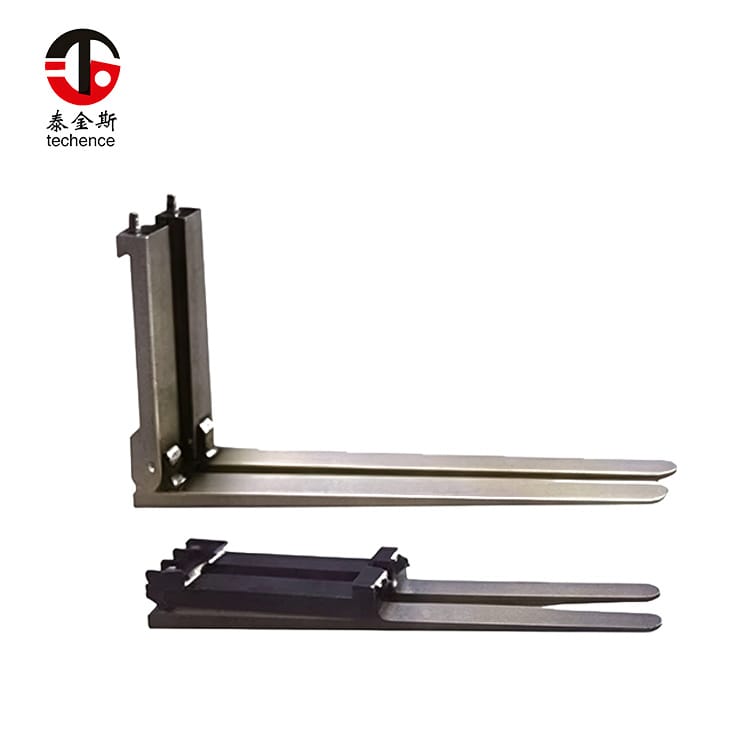
Os garfos de empilhadeira são essenciais durante o manuseio da carga, mas seu comprimento total da lâmina pode se tornar uma desvantagem quando a máquina está viajando sem carga, sendo transportada, estacionada em uma área compacta ou manobrada por uma rota restrita.
Os garfos fixos continuam a se projetar da frente da máquina mesmo quando não estão em uso Essa projeção aumenta o envelope operacional geral do equipamento e pode complicar as mudanças de giro, armazenamento, transporte, acesso à porta e fixação.
Os garfos dobráveis resolvem esse problema permitindo que a lâmina horizontal gire para cima em torno de uma dobradiça reforçada Na posição dobrada, a lâmina é fixada perto da haste do garfo ou do carro, reduzindo a quantidade de comprimento do garfo não suportado que se estende na frente do equipamento.
A função de dobramento pode melhorar a manobrabilidade não funcional, mas também introduz considerações adicionais de engenharia O pino da dobradiça, o dispositivo de travamento, os componentes de retenção, o alinhamento da lâmina, a capacidade do garfo, a montagem do carro e a folga dobrada devem ser avaliados.
Os pontos-chave abordados neste artigo incluem
- Como funcionam os garfos dobráveis
- Onde o design cria valor prático
- Como a dobradiça transfere carga
- O que deve ser medido antes da seleção
- Como os garfos dobráveis se comparam com sistemas alternativos de garfos
- Quais recursos de travamento e retenção precisam de inspeção
- Como conduzir um teste operacional controlado
- Quais erros de manutenção podem encurtar a vida útil
A análise a seguir utiliza um cenário representativo de manuseio de materiais em vez de reivindicar resultados de um projeto específico do cliente.
O que são garfos dobráveis?
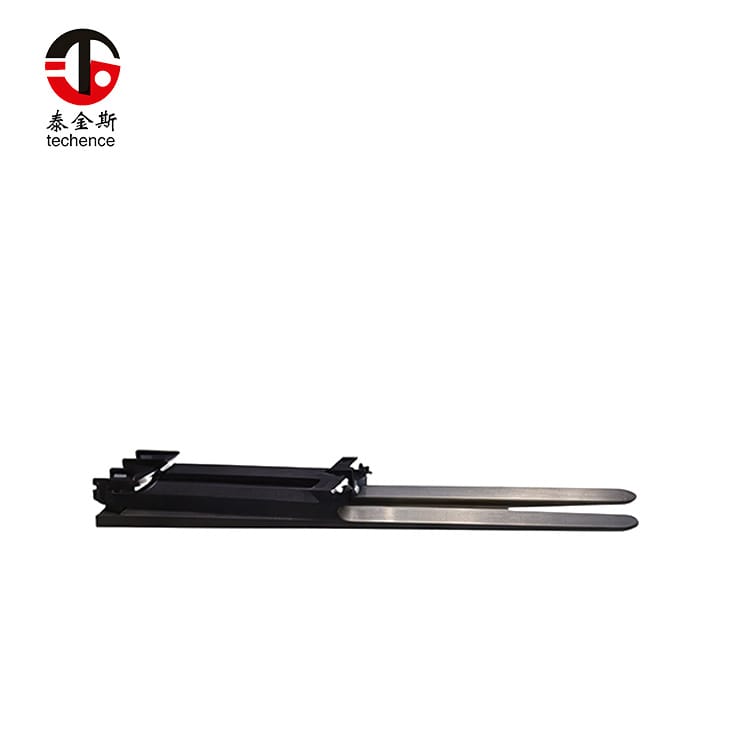
Os garfos dobráveis são garfos de empilhadeira especializados com uma conexão articulada entre a lâmina e a seção vertical do garfo.
Um garfo convencional é normalmente formado como um componente contínuo em forma de L. Sua lâmina se estende horizontalmente abaixo da carga, enquanto sua haste conecta o garfo ao carro Garfos dobráveis dividem essa estrutura em seções conectadas para que a lâmina possa girar para cima quando não estiver carregando uma carga.
Um conjunto típico de garfo dobrável pode incluir
- Lâmina de garfo horizontal
- Haste vertical
- Alças de dobradiça ou placas de conexão
- Pino dobradiça
- Retentores pinos
- Bloqueio de posição operacional
- Restrição de posição dobrada
- Ganchos de transporte ou montagem de eixo
- Fechadura de posição de garfo
- Identificação e marcações de capacidade
Os garfos dobráveis não devem ser confundidos com um acessório de carro articulado que inclina todo o conjunto do garfo para a frente Com garfos dobráveis, as lâminas individuais do garfo giram em torno de uma dobradiça perto da área do calcanhar.
Posição Operacional
Na posição de operação, a lâmina é abaixada em sua posição horizontal aprovada e fixada de acordo com o projeto.
O caminho de carga então corre da lâmina através da área da dobradiça, haste, interface de montagem, carro, mastro e estrutura da empilhadeira.
A dobradiça não fica inativa durante a elevação Faz parte do sistema estrutural e deve resistir às forças criadas pela carga.
Posição Dobrada
Na posição dobrada, a lâmina é elevada em direção à haste ou carro.
A lâmina deve ser segurada por uma restrição adequada, como um pino de travamento, braçadeira, corrente, suporte de retenção ou outro dispositivo aprovado O sistema exato depende do design do garfo dobrável.
Uma lâmina nunca deve ser deixada parcialmente levantada ou sem segurança O movimento da máquina, vibração, inclinação ou contato acidental podem causar uma mudança descontrolada na posição da lâmina.
Dobrar é uma função sem carga
A operação de dobragem destina-se normalmente a um garfo sem carga.
A carga deve ser removida, o equipamento colocado em uma condição controlada e as lâminas posicionadas de acordo com o procedimento do fabricante antes do início da dobra.
Os garfos dobráveis não se destinam a girar para cima enquanto suportam carga, a menos que um projeto de engenharia específico forneça expressamente essa função.
Estudo de candidatura representativa
Considere uma operação de manuseio de materiais usando uma máquina elevatória que executa duas tarefas distintas:
- Eleva equipamentos paletizados ou emoldurados em uma área de trabalho.
- Freqüentemente viaja, estaciona ou é transportado sem carregar carga.
As lâminas fixas do garfo são necessárias durante o levantamento, mas seu comprimento total não oferece nenhum benefício durante o movimento sem carga.
O problema operacional original
Com garfos fixos instalados, a projeção frontal da máquina permanece inalterada durante todo o dia.
Isto cria várias questões práticas:
- É necessário mais espaço ao girar
- As pontas podem se estender por rotas de pedestres ou equipamentos
- As áreas de estacionamento devem acomodar o comprimento total da lâmina
- As plataformas de transporte necessitam de autorização adicional
- O armazenamento de anexos torna-se mais difícil
- O acesso às portas e oficinas pode ser restrito
- O operador deve manter-se atento às pontas das lâminas que podem ser difíceis de ver
A remoção dos garfos pode reduzir a projeção, mas a remoção frequente requer equipamento de elevação, espaço de armazenamento, tempo de instalação e inspeção repetida de montagem.
A alternativa do garfo dobrável
Os garfos dobráveis mantêm a função de manuseio de carga, permitindo que as lâminas sejam levantadas quando a máquina não estiver funcionando com carga.
O processo revisto passa a ser
- Conclua a tarefa de manuseio de carga.
- Abaixe os garfos para uma posição controlada.
- Confirme se as lâminas estão descarregadas.
- Pare e prenda o equipamento de acordo com o procedimento operacional.
- Solte o mecanismo de dobramento aprovado.
- Levante cada lâmina.
- Prenda as lâminas na posição dobrada.
- Verifique a folga antes de mover a máquina.
A máquina pode então viajar ou ser armazenada com uma projeção frontal reduzida.
Benefícios Operacionais
O principal benefício não é o aumento da capacidade de elevação É a configuração melhorada do equipamento quando as lâminas não são necessárias.
As vantagens potenciais incluem:
- Projeção frontal reduzida sem trabalho
- Manobras mais fáceis em áreas restritas
- Estacionamento e armazenamento mais compactos
- Transporte de equipamentos mais simples
- Menor risco de uma ponta de lâmina invisível se estender em uma rota
- Menos necessidade de remover e reinstalar garfos
- Transição mais rápida entre configurações de trabalho e transporte
Estas vantagens só são obtidas quando o procedimento de dobragem e bloqueio é suficientemente simples para ser seguido de forma consistente.
Novos controles introduzidos pelo design dobrável
A operação deve agora gerir itens adicionais:
- Condição do pino articulado
- Engajamento do dispositivo de travamento
- Restrição de posição dobrada
- Alinhamento da lâmina após abaixar
- Contaminação dobradiça
- Folga lateral
- Condição pino-retentor
- Procedimento de dobramento do operador
- Inspeção após impacto
O caso, portanto, transforma um desafio operacional num sistema mais gerível, mas mais controlado tecnicamente.
Onde garfos dobráveis fornecem o maior valor
Os garfos dobráveis são mais úteis quando a redução da projeção frontal resolve um problema operacional repetido.
Equipamento Transporte
As máquinas de elevação podem precisar ser transportadas entre áreas de trabalho em um veículo, plataforma ou outro sistema de transporte.
Os garfos fixos podem aumentar o comprimento total do transporte e exigir mais espaço ao redor da máquina Dobrar as lâminas pode criar uma configuração mais compacta.
Antes do transporte, confirme:
- Ambas as lâminas estão totalmente levantadas
- Cada restrição é acionada
- As lâminas não podem balançar
- As lâminas dobradas não interferem na cabine ou no mastro
- As amarrações de transporte não danificam os garfos
- A máquina completa permanece dentro do arranjo de transporte aprovado
Dobrar as lâminas não substitui a necessidade de fixar a própria máquina.
Áreas de armazenamento confinadas
Equipamentos armazenados em oficinas, áreas de serviço, salas de máquinas ou pátios compactos podem ter espaço limitado.
Lâminas elevadas podem reduzir o espaço ocupado na frente do carro Isso pode permitir que o equipamento seja estacionado sem remover os garfos.
As lâminas dobradas não devem obstruir:
- Acesso operador
- Saídas emergência
- Visibilidade
- Movimento mastro
- Mangueiras hidráulicas
- Pontos manutenção
- Outros anexos
Rotas de acesso estreitas
Uma lâmina de garfo longa atinge um canto antes do corpo da máquina Isso pode tornar as curvas restritas mais difíceis.
Os garfos dobráveis podem melhorar o acesso sem carga através de:
- Portas estreitas
- Áreas de torneamento curtas
- Corredores de serviço compactos
- Áreas de preparação de equipamentos
- Plataformas de carregamento restritas
- Zonas de trabalho congestionadas
A largura, altura, raio de giro, contrapeso e mastro da máquina ainda determinam se a rota é adequada.
Máquinas com Ferramentas Intercambiáveis
Algumas máquinas elevatórias mudam entre garfos, caçambas, plataformas, braçadeiras ou outras ferramentas de trabalho.
Um suporte de garfo dobrável às vezes pode permanecer preso enquanto as lâminas são levantadas, permitindo que a máquina reduza sua projeção frontal sem remover completamente o conjunto do garfo.
A compatibilidade das lâminas dobradas com outras ferramentas deve ser confirmada As lâminas não devem entrar em contato com o acessório, conexões hidráulicas, acoplador rápido ou aterramento.
Viagens frequentes sem carga
Quanto mais frequentemente uma máquina se move sem carga, maior o valor potencial de uma posição de garfo compacto.
Uma máquina que manuseia paletes continuamente pode ganhar pouco com a função de dobramento Uma máquina que executa tarefas de elevação curtas seguidas de realocação frequente pode se beneficiar significativamente.
Quando garfos dobráveis podem não ser a melhor escolha
Um design dobrável não é automaticamente melhor que um garfo fixo.
Manuseio contínuo de paletes
Em um armazém ou linha de produção onde os garfos permanecem em uso durante todo o turno, as lâminas raramente precisam ser levantadas.
Os garfos fixos fornecem uma estrutura mais simples com menos componentes móveis e de travamento.
Aplicações de Impacto Severo
O impacto repetido ao redor do calcanhar do garfo pode colocar demanda adicional na dobradiça, pino, saliências e travas.
Quando os operadores atacam frequentemente patins, pisos, plataformas de carga ou estruturas de carga, a operação deve primeiro abordar as condições de visibilidade, acesso, treinamento e entrada de carga.
Não deve ser utilizado um mecanismo de dobragem para compensar o impacto não controlado.
Ambientes Altamente Contaminados
Lama, fibras, poeira, embalagens soltas, partículas abrasivas e material corrosivo podem se acumular ao redor da dobradiça.
Os garfos dobráveis ainda podem ser adequados, mas os intervalos de limpeza e inspeção precisarão refletir o meio ambiente.
Cargas que exigem máxima simplicidade estrutural
Certas aplicações severas podem favorecer um calcanhar forjado contínuo sem junta móvel.
A escolha deve ser baseada na análise de carga, ciclo de trabalho, exposição ao choque e capacidade validada do garfo proposto.
Disciplina de bloqueio deficiente
Um sistema dobrável é inadequado quando é improvável que os operadores verifiquem a trava da posição operacional ou a restrição da posição dobrada.
Um garfo fabricado corretamente ainda pode ser usado incorretamente A sequência de bloqueio deve ser clara, repetível e incluída no treinamento do operador.
Como funcionam os garfos dobráveis
O mecanismo de dobradiça é a principal característica que distingue os garfos dobráveis dos garfos fixos padrão.
Dobradiça Lâmina
A dobradiça da lâmina permite que a seção horizontal gire em relação à haste.
Dependendo do design, a dobradiça pode usar:
- Luzes de conexão internas
- Placas de conexão externas
- Suspensão de pino único
- Arranjos de pinos duplos
- Posições operacionais bloqueadas
- Livre circulação em posição de trabalho definida
O layout da dobradiça influencia a largura do garfo, o caminho de carga, a folga dobrada, a complexidade de fabricação e a capacidade.
Pin Dobradiça
O pino da dobradiça suporta o movimento relativo entre a lâmina e a haste.
Deve corresponder:
- Diâmetro do pino
- Comprimento rolamento
- Dimensões Lug
- Especificação material
- Tratamento de superfície
- Método de retenção
- Requisito lubrificação
- Autorização permitida
O pino não deve ser substituído por um fixador de uso geral não verificado.
Bloqueio de posição operacional
A lâmina deve permanecer na posição de trabalho pretendida durante a entrada, elevação, deslocamento e descarga do garfo.
A fechadura pode usar:
- Parafuso mecânico
- Braçadeira segurança
- Pino retenção
- Parada em forma
- Sistema duplo-pino
- Placa de bloqueio integrada
A trava deve engatar totalmente sem exigir força, retificação, espaçamento ou modificação não aprovados.
Restrição de posição dobrada
Uma vez levantada a lâmina, outro dispositivo evita que ela caia.
Esta restrição pode ser uma corrente, pino, suporte, braçadeira, trava ou outro recurso mecânico.
Deveria ser:
- Fácil de inspecionar
- Protegido contra liberação acidental
- Forte o suficiente para vibração e movimento
- Posicionado sem danificar a lâmina
- Substituível quando usado
- Compatível com o envelope dobrado completo
Dobragem Manual
Muitos garfos dobráveis são levantados manualmente Isso significa que o peso da lâmina e a posição de manuseio são importantes.
A operação deve considerar:
- Se uma pessoa pode controlar a lâmina com segurança
- Se é necessário um auxílio de elevação
- Onde o operador está
- Pinça pontos em torno da dobradiça
- Como a lâmina é contida durante o movimento
- Se a máquina deve ser inclinada ou abaixada
- Como a fechadura é acessada
O procedimento deve evitar colocar as mãos entre os componentes da lâmina, haste, carro ou travamento.
Garfos dobráveis versus outras soluções para garfos
| Solução Fork | Função Primária | Comprimento Não-Trabalho | Vantagem Principal | Limitação Principal |
|---|---|---|---|---|
| Garfos dobráveis | Levante cargas e dobre as lâminas para cima quando descarregado | Reduzido quando dobrado | Configuração compacta de viagens, armazenamento e transporte | Adiciona dobradiças, pinos, fechaduras e pontos de inspeção |
| Garfos fixos | Levantamento de carga geral | O comprimento total da lâmina permanece | Caminho de carga simples e direto | Projeção frontal permanente |
| Garfos removíveis | Garfos podem ser destacados do carro | Reduzido após a remoção | Remove a lâmina completa e a haste | Requer equipamento de manuseio, armazenamento e reinstalação |
| Extensões forquilha | Aumentar temporariamente o comprimento da lâmina | O comprimento total da extensão permanece até ser removido | Suporta cargas mais longas aprovadas | Não reduz a projeção original do garfo |
| Garfos telescópicos | Estender e retrair hidraulicamente ou mecanicamente | Pode retrair para um comprimento de trabalho mais curto | Alcance ajustável para cargas profundas | Mais complexo, mais pesado e dependente do mecanismo de extensão |
| Porta-garfos de troca rápida | Permite que a transportadora completa seja trocada | Depende da ferramenta instalada | Suporta vários anexos | Requer acoplador compatível e armazenamento de acessórios |
| Carruagem articulada | Inclina o conjunto completo do carro ou garfo | O comprimento da forquilha permanece | Muda o ângulo de carga-dumping ou de posicionamento | Não dobre as lâminas individuais do garfo verticalmente |
A solução correta depende do problema real.
Os garfos dobráveis são adequados quando o equipamento precisa de funcionalidade comum do garfo durante o trabalho, mas de uma configuração mais curta e não funcional durante o deslocamento, armazenamento ou transporte.
Combine garfos dobráveis com a carga
A função de dobragem nunca deve distrair o objetivo principal do garfo: suportar a carga.
Peso Máximo de Carga
Registar a carga máxima completa, incluindo
- Produto
- Palete
- Deslizar
- Moldura
- Embalagem
- Acessórios
- Material retido
- Acessórios
Use a carga operacional aprovada mais alta em vez de um valor médio.
Centro de carga
O centro de carga é a distância horizontal entre o ponto de referência do garfo relevante e o centro de gravidade da carga.
À medida que esta distância aumenta, o momento de carga direta também aumenta.
A dobradiça, a lâmina, a haste, o carro, o mastro e a empilhadeira devem ser adequados para a condição definida de centro de carga.
Carregar Dimensões
Medida:
- Largura de carga
- Profundidade de carga
- Altura da carga
- Abertura palete
- Profundidade de inserção necessária
- Posição dos pontos de apoio
- Projeção de lâmina permitida
- Posição do centro de gravidade
O comprimento da forquilha deve fornecer suporte adequado sem ser desnecessariamente longo.
Espaçamento entre garfos
Os garfos devem ser posicionados abaixo de pontos de suporte estáveis.
Espaçamento incorreto pode criar:
- Distribuição de carga desigual
- Estabilidade lateral deficiente
- Dano palete
- Aumento do estresse em um garfo
- Dificuldade em entrar na carga
- Interferência ao dobrar
As lâminas dobradas também devem limpar-se umas das outras e da estrutura circundante do carro.
Cargas Offset
Uma carga descentralizada pode colocar mais força em um garfo dobrável e em um lado do carro.
A operação não deve assumir que uma capacidade de par declarada permita que uma lâmina transporte a maior parte da carga.
Verifique a compatibilidade da empilhadeira e do transporte
Os garfos dobráveis não são universais.
A empilhadeira carrega seus garfos ou acessórios em um carro conectado ao mastro As dimensões do garfo, a montagem, o peso e a posição da carga afetam a configuração completa da máquina.
Classe Carruagem
Para garfos montados em gancho, confirme:
- Classe de transporte
- Dimensões superiores da barra do carro
- Posição inferior da barra do carro
- Gancho abertura
- Altura da haste
- Posição do pino de bloqueio
- Folga lateral
- Largura do carro
Uma descrição do modelo por si só pode não identificar o carro instalado, especialmente quando um suporte de mastro ou garfo foi substituído.
Montagem de eixo ou pino
Alguns garfos dobráveis usam um eixo, pino ou suporte personalizado.
Verificar:
- Diâmetro do eixo
- Diâmetro do olho da forquilha
- Largura dos olhos
- Espaçamento montagem
- Retenção componentes
- Paradas finais
- Sistema posicionamento
- Folga lateral
Liberação Dobrada
Meça o caminho da lâmina desde a posição de trabalho horizontal até a posição totalmente elevada.
Verifique se há interferência com:
- Canais mastro
- Carruagem
- Recolher carga
- Mangueiras hidráulicas
- Cilindros
- Cabine
- Pára-brisas
- Estrutura boom
- Luzes trabalho
- Outros anexos
- A segunda lâmina do garfo
Verificar apenas a posição final dobrada não é suficiente A lâmina deve limpar os componentes circundantes ao longo do arco completo.
Liberação de solo e transporte
A lâmina dobrada deve permanecer segura durante:
- Virando
- Frenagem
- Mudanças superficiais
- Transporte de equipamentos
- Carregando em uma plataforma
- Estacionamento em uma encosta
- Alterações de anexo
As pontas dobradas não devem se projetar na área do operador ou além do envelope da máquina aprovada.
Avalie o sistema de dobradiça e travamento
A dobradiça e as travas distinguem um design dobrável confiável de um garfo que é meramente capaz de se mover.
Suporte para dobradiça
O pino precisa de comprimento de suporte suficiente e contato adequado com as alças da dobradiça.
A liberação excessiva pode permitir:
- Movimento lâmina
- Carregamento de impacto
- Desgaste uniforme dos pinos
- Desalinhamento
- Dificuldade de bloqueio
- Aumento do estresse ao redor das saliências
A depuração insuficiente pode causar ligação, especialmente após contaminação ou deformação.
Geometria de dobradiça
As alças da dobradiça transferem carga entre a lâmina e a haste.
Inspecionar:
- Espessura da saliência
- Alinhamento pino-furo
- Transições soldadas ou forjadas
- Condição superficial
- Raio borda
- Espaçamento lateral
- Sinais de propagação
- Rachaduras ao redor dos orifícios dos pinos
Paradas Operacionais
A lâmina pode repousar contra um batente estrutural na posição de trabalho.
A parada deve entrar em contato uniformemente através das superfícies pretendidas O contato localizado pode criar alta tensão e desgaste rápido.
Bloqueio Engajamento
Uma fechadura deve ter uma condição clara de encaixe e desengate.
Os operadores devem ser capazes de confirmar o envolvimento visual ou fisicamente sem adivinhar.
O envolvimento parcial deve ser tratado como uma condição insegura.
Componentes de retenção
Clipes de pinos, parafusos, correntes, travas, grampos e retentores devem ser incluídos no programa de inspeção.
Um pequeno retentor ausente pode permitir que um pino ou componente de travamento principal se mova para fora da posição.
Proteção contra dobramento não intencional
O projeto deve impedir que a lâmina se dobre durante o manuseio normal da carga.
A proteção pode vir de:
- Bloqueio mecânico positivo
- Paradas de suporte de carga
- Arranjos de pinos duplos
- Parafusos segurança
- Grampos retenção
- Geometria controlada da dobradiça
Confiar apenas no peso da lâmina não é suficiente.
Entenda a Capacidade e o Caminho de Carga
Os garfos dobráveis introduzem uma junta em uma forma de garfo contínua.
Isso não os torna automaticamente inadequados, mas altera a forma como a estrutura deve ser avaliada.
Lâmina Carregar
A carga atua primeiro na lâmina horizontal.
A lâmina experimenta flexão com base em:
- Peso de carga
- Posição de carga
- Comprimento lâmina
- Seção lâmina
- Largura do ponto de apoio
- Espaçamento entre garfos
- Movimento dinâmico
Carga Dobradiça
A dobradiça transfere forças entre a lâmina e a haste.
O pino, as saliências, os batentes e as travas devem funcionar juntos. Avaliar apenas o diâmetro do pino é insuficiente.
Perna e Carga de Montagem
A haste transfere força para dentro do carro através de ganchos, pinos, eixos ou outro sistema de montagem.
O desgaste no carro pode permitir movimentos que aumentam o impacto ao redor da junta dobrável.
Peso do garfo
As dobradiças, saliências, pinos e componentes de travamento adicionam peso.
Este peso passa a fazer parte da carga transportada na frente da empilhadeira e deve ser incluído na revisão da capacidade residual.
Capacidade Residual
A capacidade residual depende da configuração completa, incluindo
- Peso do garfo dobrável
- Comprimento lâmina
- Centro de carga
- Tipo mastro
- Altura do elevador
- Carruagem
- Outros anexos
- Classificação empilhadeira
- Dimensões de carga
Uma classificação de garfo dobrável não aumenta a capacidade aprovada da empilhadeira.
Avaliar a Qualidade do Material e Fabricação
A dobradiça é apenas uma parte da qualidade do produto.
Garfo Aço
O material deve fornecer um equilíbrio adequado de:
- Força
- Resistência
- Resistência à fadiga
- Tolerância ao impacto
- Resposta ao tratamento térmico
- Resistência desgaste
Um componente excessivamente duro pode ser menos tolerante ao impacto, enquanto a resistência insuficiente pode permitir a deformação permanente.
Forjamento e Formação
A lâmina e a haste devem ter geometria controlada e uma seção de suporte de carga consistente.
O gama de produtos de garfos dobráveis pode ser avaliado pela exigência da carga, pela classe da instalação, pelas dimensões da lâmina, pelo arranjo da dobradiça, e pelas necessidades da personalização.
Quando os componentes dobráveis são soldados a uma seção de garfo forjada ou formada, as transições soldadas precisam de projeto e controle de fabricação adequados.
Tratamento Térmico
O tratamento térmico influencia a resistência, a tenacidade, a dureza e o comportamento à fadiga.
Grandes diferenças de seção ao redor das alças da lâmina, haste e dobradiça exigem atenção à distorção e consistência.
Precisão Usinagem
As superfícies de dobradiça usinadas determinam o ajuste dos pinos e o alinhamento das lâminas.
Características importantes incluem:
- Diâmetro do furo do pino
- Alinhamento furo
- Acabamento superficial
- Folga lateral
- Paralelismo
- Posição pino-retentor
- Alinhamento do furo de travamento
O mau alinhamento pode causar ligação ou transferência desigual de carga.
Consistência do par de garfos
Os garfos dobráveis esquerdo e direito devem combinar:
- Comprimento lâmina
- Seção lâmina
- Altura da ponta
- Posição dobradiça
- Depuração dobradiça
- Ângulo da haste
- Posição gancho
- Altura dobrada
- Arranjo de travamento
Um par incomparável pode suportar a carga de forma desigual ou dobrar-se em posições diferentes.
Use a Estrutura de Seleção de DOBRAS
O quadro original seguinte organiza os principais requisitos de selecção.
F: Função e Carga
Definir:
- Carga máxima
- Centro de carga
- Dimensões de carga
- Espaçamento entre garfos
- Comprimento necessário da lâmina
- Número de ciclos de manuseio
- Tipo de palete ou suporte
- Necessidade de dobramento
A função de dobramento deve resolver um problema operacional real.
O: Envelope Operacional
Medida:
- Espaço de viragem disponível
- Dimensões da porta
- Área estacionamento
- Plataforma transporte
- Posição de armazenamento
- Altura da lâmina dobrada
- Arco dobrável completo
- Distância do mastro e da cabine
- Folga de fixação próxima
Tanto a configuração de trabalho quanto a dobrada devem se adequar à operação.
L: Travamento e Caminho de Carga
Verificar:
- Design dobradiça
- Dimensões PIN
- Construção dobradiça-lugue
- Parada da posição de trabalho
- Bloqueio operacional
- Restrição de posição dobrada
- Montagem carro
- Capacidade residual
- Proteção contra movimentos não intencionais
D: Ciclo de trabalho e documentação
Revisão:
- Frequência operacional
- Exposição ao impacto
- Contaminação
- Intervalo de inspeção
- Requisitos de lubrificação
- Limites de desgaste
- Registros materiais
- Marcações capacidade
- Instruções instalação
- Procedimento dobrável
- Disponibilidade de peças de reposição
Todos os quatro elementos devem estar completos antes que os garfos entrem em serviço normal.
Conduzir um Ensaio Operacional Contro
Um teste controlado verifica toda a sequência de trabalho e dobramento.
Teste a Posição de Trabalho
Utilizar cargas aprovadas representativas e observar:
- Entrada garfo
- Inserção completa
- Suporte carga
- Alinhamento lâmina
- Movimento dobradiça
- Bloqueio engajamento
- Deflexão garfo
- Movimento carruagem
- Visibilidade
As lâminas devem permanecer estáveis sem ruído ou movimento incomum.
Teste o Levantamento Inicial
Levante a carga apenas o suficiente para confirmar:
- Ambos os garfos carregam uniformemente
- As fechaduras permanecem engatadas
- A dobradiça não se move inesperadamente
- A carga está centrada
- A carruagem permanece estável
- A lâmina para de entrar em contato corretamente
Teste o procedimento de dobramento
Após descarregar:
- Abaixe os garfos.
- Proteja a máquina.
- Confirme se as lâminas estão descarregadas.
- Solte a fechadura dobrável aprovada.
- Levante a lâmina usando o método definido.
- Engate a restrição da posição dobrada.
- Verifique cada lâmina de forma independente.
- Verifique o envelope completo da máquina.
Observe se o operador deve adotar uma postura estranha ou entrar em uma zona de aperto.
Teste Viagem Dobrada
Mova a máquina descarregada pela rota pretendida a uma velocidade controlada.
Verificar:
- Lâmina contenção
- Vibração
- Desobstrução lâmina
- Virando espaço
- Folga da porta
- Visibilidade
- Contato com mangueiras ou estruturas
- Ruído da dobradiça ou fechaduras
Teste Transporte e Armazenamento
Confirmar que a máquina dobrada se encaixa:
- Áreas de estacionamento
- Baias armazenamento
- Locais de serviço
- Plataformas transporte
- Zonas de mudança de anexo
As restrições das lâminas devem permanecer acessíveis para inspeção.
Inspecione após o julgamento
Após ciclos repetidos, inspecione:
- Pinos dobradiça
- Retentores pinos
- Tapetes
- Paradas de trabalho
- Bloqueios operacionais
- Restrições dobradas
- Alinhamento lâmina
- Ganchos carro
- Marcas de contato de superfície
Um projeto bem-sucedido deve funcionar de forma consistente, não apenas durante um ciclo.
Inspecione garfos dobráveis antes de usar
Uma inspeção diária deve abranger tanto as áreas comuns dos garfos quanto os componentes específicos para dobramento.
Lâmina e Ponta
Procure por:
- Dobrar
- Torção
- Rachaduras
- Goivas
- Dano na ponta
- Desgaste
- Altura desigual do garfo
- Deformação permanente
Área Dobradiça
Inspecionar:
- Alças dobradiça
- Furos pino
- Placas conexão
- Paradas de trabalho
- Transições soldadas
- Rachaduras superficiais
- Espalhando
- Deformação
- Contato desigual
Pin Dobradiça
Verifique se:
- Movimento lateral
- Rotação onde não deve ocorrer
- Pontuação
- Corrosão
- Dobrar
- Retentores ausentes
- Desigual desgaste
- Condição lubrificante
Sistema Bloqueio
Confirme isso:
- A fechadura engata completamente
- Os pinos estão presentes
- Grampos fecham corretamente
- Parafusos de segurança são instalados
- As correntes não estão danificadas
- Os retentores estão seguros
- A fechadura não pode ser liberada acidentalmente
Interface Carruagem
Inspecionar:
- Ganchos
- Olhos eixo
- Bloquear pinos
- Barras de transporte
- Paradas finais
- Folga lateral
- Movimento montagem
Alinhamento de par de garfos
Compare ambos os garfos nas posições abaixada e dobrada.
As diferenças podem indicar desgaste da dobradiça, deformação da lâmina, desgaste do pino, danos no carro ou um par de garfos incomparável.
Manter Garfos Dobráveis
A manutenção deve preservar tanto a integridade estrutural como o movimento de dobragem livre e controlado.
Limpe a dobradiça
Remover:
- Poeira
- Fibras
- Filme plástico
- Contaminação graxa
- Depósitos corrosivos
- Partículas metálicas
- Lama
- Embalagem detritos
A limpeza não deve forçar a contaminação mais profundamente na área do pino.
Controle Lubrificação
Use o lubrificante especificado e o intervalo de aplicação.
Muito pouca lubrificação pode aumentar o desgaste e a ligação A lubrificação excessiva pode atrair contaminação abrasiva.
Monitor Limpeza da Dobradiça
Meça a folga lateral e do pino em pontos consistentes.
Um aumento ao longo do tempo pode revelar
- Desgaste de pino
- Roupa de talão
- Movimento retentor
- Desalinhamento
- Dano de impacto
Substitua os lacaios usados
Uma corrente, clipe, parafuso, braçadeira ou pino de segurança desgastados não devem ser tratados como um defeito menor.
A restrição deve ser restaurada com uma peça compatível verificada.
Proteja as Lâminas Dobradas
Quando armazenadas, as lâminas dobradas não devem repousar contra superfícies que danificam as pontas, bordas ou restrições.
Cargas externas não devem ser colocadas contra lâminas elevadas.
Investigar Impacto
Após impacto severo, inspecione o sistema completo antes de devolvê-lo ao uso normal.
Danos podem afetar:
- Lâmina
- Dobradiça
- Pin
- Tapetes
- Paradas
- Fechaduras
- Pernil
- Carruagem
Erros comuns de seleção de garfo dobrável
Escolhendo pela capacidade sozinha
A capacidade não confirma folga dobrada, design de dobradiça, montagem, comprimento da lâmina ou procedimento operacional.
Deixar de medir o arco dobrável
Uma lâmina pode caber na posição final elevada, mas atingir uma mangueira, mastro, encosto ou cabine enquanto se move para cima.
Ignorando o peso da lâmina
Uma lâmina dobrada manualmente pode exigir um manuseio mais controlado do que o esperado.
O procedimento de dobramento deve ser revisto antes da instalação.
Tratando a dobradiça como um recurso de conveniência
A dobradiça é um conjunto de suporte de carga Seu design, material, pino, travas e paradas exigem a mesma atenção que a lâmina do garfo.
Deixar de proteger lâminas levantadas
Uma lâmina dobrada nunca deve depender do equilíbrio ou da fricção para permanecer na posição vertical.
Dobrando enquanto carregado
A carga deve ser removida antes da lâmina ser dobrada, a menos que a documentação do produto forneça expressamente outro procedimento aprovado.
Usando fechaduras usadas
Uma trava parcialmente engatada ou solta pode permitir movimentos inesperados.
Ignorando a interferência no transporte
Lâminas elevadas podem entrar em contato com o mastro, encosto, mangueiras ou outro acessório.
Substituindo apenas um garfo
Um substituto deve corresponder ao garfo restante em:
- Capacidade
- Seção lâmina
- Comprimento
- Posição dobradiça
- Montagem
- Altura da ponta
- Altura dobrada
- Sistema bloqueio
- Condição de desgaste
Lista de verificação de especificações de garfo dobrável
Antes de solicitar garfos dobráveis, colete as seguintes informações.
Informações sobre empilhadeira
- Fabricante e modelo
- Identificação equipamento
- Capacidade nominal
- Centro de carga avaliado
- Tipo mastro
- Altura máxima do elevador
- Classe de transporte
- Dimensões do carro
- Carregar dimensões do encosto
- Anexos instalados
- Modificações anteriores
Carregar Informações
- Peso máximo da carga
- Largura, profundidade e altura da carga
- Posição do centro de gravidade
- Dimensões da pálete ou da derrapagem
- Dimensões de entrada na forquilha
- Espaçamento necessário do garfo
- Frequência de manuseio
- Altura de elevação necessária
Informações sobre garfo
- Comprimento lâmina
- Largura lâmina
- Espessura lâmina
- Dimensões da haste
- Tipo montagem
- Dimensões do gancho ou do eixo
- Tipo dobradiça
- Arranjo de travamento
- Altura dobrada
- Peso lâmina
- Tratamento de superfície necessário
Informações sobre envelope operacional
- Dimensões da porta
- Virando espaço
- Área de armazenamento
- Plataforma transporte
- Liberação da cabine
- Desobstrução do mastro
- Posição da mangueira hidráulica
- Procedimento de alteração de anexo
- Condições terrestres
- Frequência dobrável
Quando uma configuração padrão não puder satisfazer a carga necessária, montagem ou envelope dobrado, a revisão personalizada da especificação do garfo dobrável deve incluir desenhos, medições, fotografias de carga, informações de transporte e a sequência completa de trabalho e dobramento.
Conclusão
Os garfos dobráveis são projetados para operações que precisam de lâminas de garfo de comprimento total durante o manuseio de materiais, mas uma configuração de máquina mais compacta durante viagens sem carga, transporte, estacionamento ou armazenamento.
Seu valor é maior quando as lâminas fixas criam um problema repetido de manobra ou espaço A função de dobramento pode reduzir a projeção frontal sem exigir que o conjunto completo do garfo seja removido.
No entanto, os garfos dobráveis não são simplesmente garfos padrão com uma lâmina móvel Eles introduzem uma dobradiça de suporte de carga, pino, parada, trava de operação e restrição de posição dobrada.
Um processo de seleção confiável deve:
- Defina o centro de carga e carga.
- Verifique a compatibilidade de empilhadeiras e carruagens.
- Meça o arco de dobramento completo.
- Confirme a folga do mastro, cabine, mangueira e encosto.
- Avalie a dobradiça e o sistema de travamento.
- Inclua o peso do garfo na revisão da capacidade residual.
- Teste configurações funcionais e dobradas.
- Inspecione o pino, as alças, as travas e os retentores regularmente.
Os melhores garfos dobráveis são aqueles que permanecem totalmente estáveis durante o manuseio da carga, dobram através de um caminho claro e controlado, travam com segurança em ambas as posições necessárias e proporcionam uma melhoria genuína no envelope operacional não funcional da máquina.
Perguntas frequentes
Para que são utilizados garfos dobráveis?
Os garfos dobráveis são usados onde as lâminas de garfo de comprimento total são necessárias para o levantamento, mas criam projeção desnecessária durante o deslocamento, transporte, estacionamento ou armazenamento Suas lâminas articuladas dobram-se para cima quando descarregadas, permitindo que a máquina use menos espaço sem remover o conjunto completo do garfo.
Os garfos dobráveis podem levantar as mesmas cargas que os garfos fixos?
A capacidade depende da seção da lâmina, construção da dobradiça, pino, travas, montagem, centro de carga, comprimento do garfo e classificação documentada Um projeto dobrável deve ser selecionado a partir de seus dados de capacidade verificados, em vez de assumir que corresponde a um garfo fixo com dimensões externas semelhantes.
Como os garfos dobráveis são fixados na posição elevada?
As lâminas podem usar correntes, braçadeiras, pinos de travamento, parafusos de segurança, suportes ou outras restrições aprovadas A restrição deve engatar totalmente e evitar que a lâmina caia durante vibração, giro, armazenamento ou transporte O procedimento exato depende do design do garfo.
Garfos dobráveis podem caber em qualquer empilhadeira?
No. O sistema de montagem, classe de carro, dimensões da haste, espaçamento do garfo, altura dobrada, caminho da lâmina, folga do mastro e capacidade residual devem corresponder à empilhadeira O arco dobrável completo deve ser verificado porque uma lâmina pode interferir antes de atingir sua posição final.
Quais partes dos garfos dobráveis exigem mais inspeção?
Inspecione as lâminas, alças de dobradiça, pinos de dobradiça, retentores de pinos, batentes operacionais, travas de posição de trabalho, restrições de posição dobrada, hastes, ganchos de montagem e carro. Aumentar a folga da dobradiça, engate incompleto da trava, rachaduras, deformações ou retentores ausentes requerem avaliação imediata.