جدول المحتويات
مقدمة
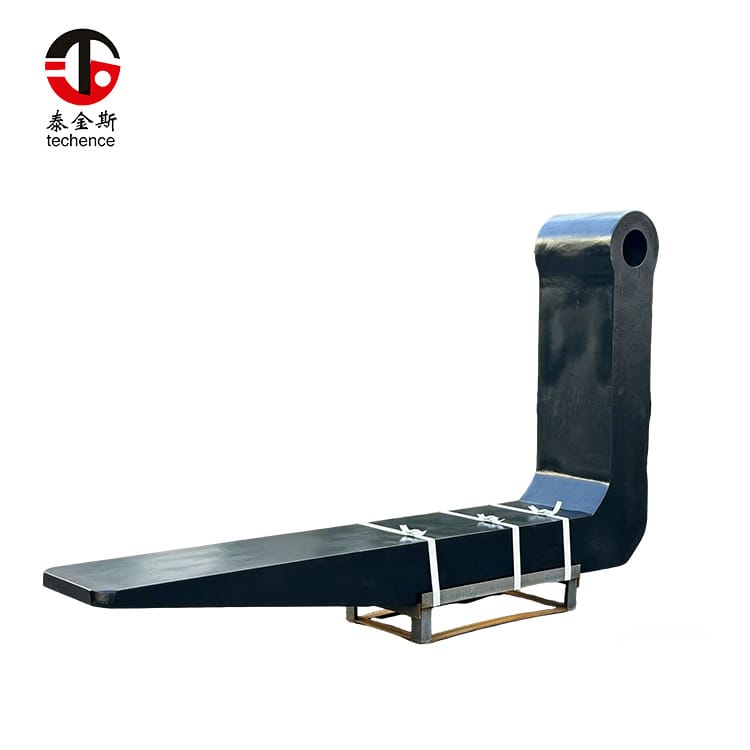
نادرًا ما تتصرف البضائع الثقيلة مثل منصة نقالة المستودعات العادية. قد تكون أطول أو أكثر كثافة أو أقل توازناً أو أكثر صعوبة في الاقتراب أو مدعومة ببضع نقاط هيكلية فقط. عندما تتعامل الرافعة الشوكية مع الآلات الصناعية أو منتجات الصلب أو الزلاجات الثقيلة أو أحمال الوحدات الكبيرة أو البضائع السائبة، فإن أبعاد الشوكة القياسية قد لا توفر الدعم أو المتانة المطلوبة.
تم تصميم شوكات المنافذ لظروف المناولة الصعبة هذه. وهي تستخدم عمومًا أقسام شفرات أكبر، ومسارات تحميل معززة، وترتيبات تركيب للخدمة الشاقة، وأبعادًا مختارة حول الحمولة الفعلية بدلاً من تنسيق البليت القياسي.
الاسم يأتي من استخدامها الشائع في عمليات محطة الميناء, ، حيث يمكن أن تنتقل البضائع بين مناطق التخزين ومنصات التحميل ومعدات النقل ومناطق التدريج. ومع ذلك، فإن فائدتها لا تقتصر على مرافق الواجهة البحرية. يمكن استخدام شوكات مماثلة حيثما تتطلب الأحمال الثقيلة أو الطويلة أو المركزة تصميم شوكة أكثر جوهرية.
لا ينبغي اختيار شوكات المنفذ لمجرد أن الرافعة الشوكية تتمتع بقدرة اسمية عالية. يجب أن يأخذ التكوين الكامل في الاعتبار ما يلي
- الحد الأقصى لوزن الحمولة
- أبعاد الحمولة ومركز الثقل
- طول الشوكة وعرضها وسمكها
- موقف دعم التحميل
- تباعد الشوكة
- وزن الشوكة والعربة
- ارتفاع الرفع
- تكوين الصاري
- طريقة التركيب
- الظروف السطحية
- التأثير ودورة العمل
- متطلبات التفتيش والصيانة
التصميم الأكثر فعالية ليس بالضرورة أكبر شوكة متاحة. إنها الشوكة التي تدعم الحمل الحقيقي بشكل صحيح، وتناسب الرافعة الشوكية بشكل آمن، وتحافظ على السعة المتبقية التي تم التحقق منها، وتعمل باستمرار في بيئة التشغيل الفعلية.
ما هي بورت فوركس؟
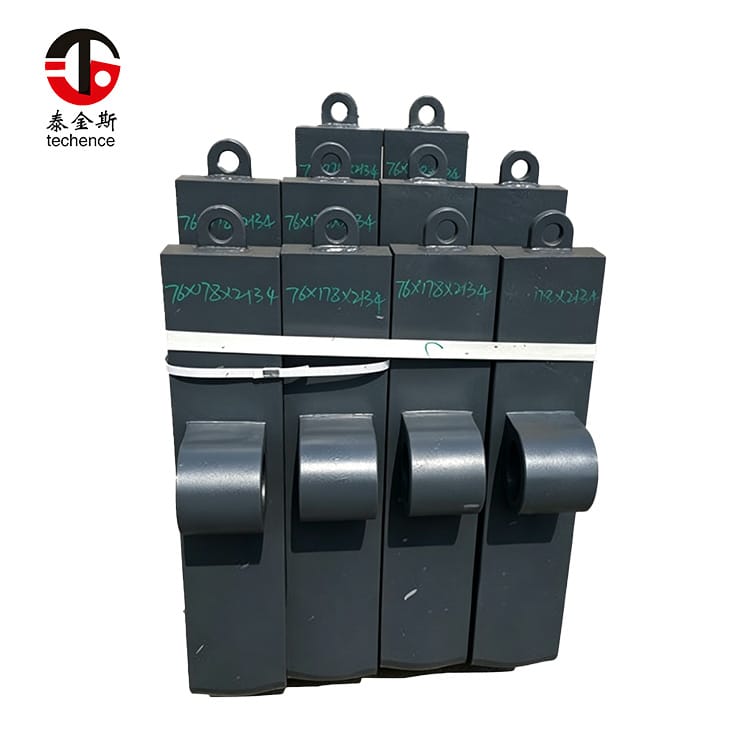
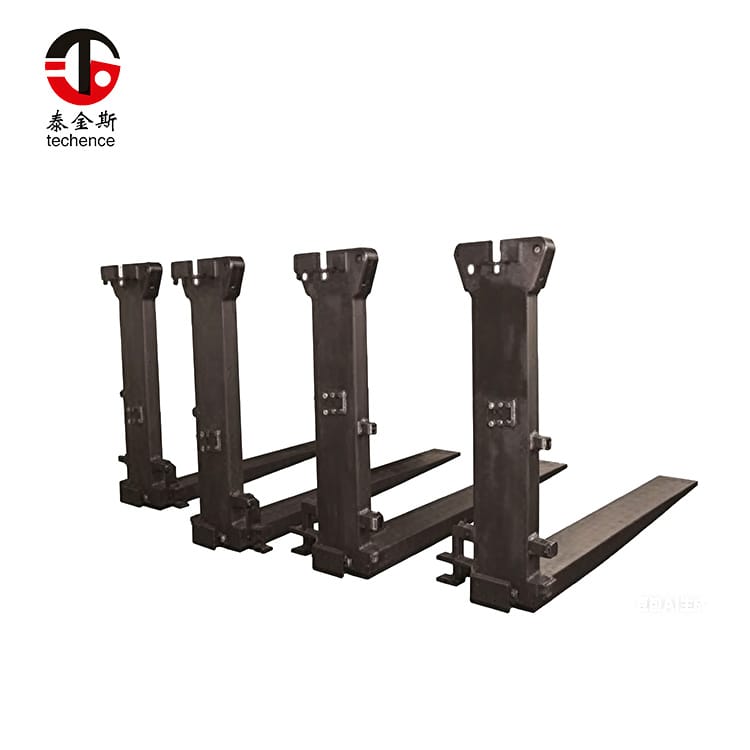
شوكات الموانئ عبارة عن أذرع شوكية للخدمة الشاقة مصممة لتطبيقات مناولة البضائع الصعبة. يتم تركيبها عادةً على الرافعات الشوكية عالية السعة، أو الشاحنات الصناعية الثقيلة، أو الجرارات الطرفية المزودة بأنظمة رفع، أو آلات مناولة المواد المصممة لهذا الغرض.
وقد يشمل بنائها ما يلي:
- مقاطع عرضية كبيرة للشفرة
- أطوال شفرة ممتدة
- الكعب المقوى
- سيقان ثقيلة
- خطاف أو دبوس أو عمود أو تركيب متكامل
- تباعد الشوكة المخصص
- ملفات تعريف النصائح الخاصة بالتطبيق
- المقاطع الحاملة المزورة أو المشكلة بعناية
على عكس شوكات المستودعات العامة، غالبًا ما يتم تحديد شوكات المنافذ حول عائلة تحميل فردية أو عملية تشغيل.
بناء الشوكة الثقيلة
يؤدي الحمل الذي تحمله الشوكة إلى خلق إجهاد الانحناء على طول الشفرة وضغط مركز حول الكعب. مع زيادة وزن الحمولة ومركز الحمولة وطول الشوكة، تصبح هذه الضغوط أكثر تطلبًا.
لذلك تحتاج شوكة المنفذ إلى مسار هيكلي مستمر من الشفرة عبر الكعب إلى الساق أو نظام التثبيت.
الحجم الخارجي الكبير وحده لا يضمن الأداء المناسب. تؤثر خصائص المواد وجودة الحدادة والمعالجة الحرارية وهندسة الكعب ودقة الأبعاد وحالة السطح على النتيجة النهائية.
تطبيقات المنافذ والمحطات الطرفية النموذجية
يمكن استخدام شوكات المنفذ للتعامل مع:
- المنصات الثقيلة
- الآلات الصناعية
- ألواح فولاذية
- حزم معدنية
- المسبوكات الكبيرة
- صناديق ثقيلة
- المكونات الهيكلية
- زلاجات طويلة
- شحنات المشروع
- الأحمال السائبة الموحدة
- حاويات أو إطارات ثقيلة مصممة للتعامل مع الشوكة
- معدات مع جيوب شوكة مخصصة
يجب أن يظل الحمل يوفر نقاط الدعم المناسبة. قد يتطلب الجسم الثقيل الذي لا يحتوي على مناطق مناسبة لدخول الشوكة مهدًا أو عارضة رفع أو مشبكًا أو مفرشة أو أي ملحق هندسي آخر.
شوكات الميناء ليست موزعات حاويات
تؤدي شوكات الموانئ وناشرات الحاويات وظائف مختلفة.
شوكات الميناء تدعم البضائع من الأسفل. تدخل جيوب الشوكة أو فتحات البليت أو الزلاجات أو الإطارات أو المساحات الموجودة أسفل الحمولة.
عادةً ما تقوم مفرشة الحاويات بتشغيل نقاط رفع محددة من الأعلى. لقد تم تصميمه حول طريقة رفع ومسار تحميل مختلفين.
لا ينبغي افتراض أن شوكات الموانئ الكبيرة ترفع كل حاوية بضائع مباشرة. يجب أن تكون الحمولة مصممة أو معتمدة لتعشيق الشوكة، ويجب أن تتحمل نقاط الدعم المحددة قوى التلامس.
يمنع هذا التمييز حدوث خطأ شائع في الاختيار: اختيار زوج أكبر من الشوكات لحمل يتطلب في الواقع نظام رفع مختلفًا.
ما هي أنواع الأحمال المناسبة لشوكات الميناء؟
تعمل شوكات الميناء بشكل أفضل عندما تحتوي الشحنة على نقاط دعم مستقرة ويمكن الوصول إليها ومناسبة من الناحية الهيكلية.
البضائع الثقيلة الموحدة
يتم ترتيب الحمل الموحد بحيث تتصرف العناصر المتعددة كوحدة معالجة واحدة.
تشمل الأمثلة:
- حزم معدنية مربوطة
- آلات آمنة على الزلاجات
- صناديق معززة
- مكونات صناعية مغلفة
- المنتجات الثقيلة المثبتة على إطار النقل
يجب أن تظل طريقة التوحيد آمنة أثناء دخول الشوكة والرفع والسفر والفرملة والدوران والوضع.
منتجات الصلب والمعادن
يمكن للألواح الفولاذية والقضبان والمقاطع والملفات والمسبوكات والتجمعات المصنعة أن تخلق تحميلًا مركزًا.
عند التعامل مع البضائع المعدنية، تحقق من:
- موقف نقطة الاتصال
- صلابة الحمل
- الاحتكاك السطحي
- حواف حادة
- انحراف الحمل
- خطر الحركة الجانبية
- مطلوب تباعد الشوكة
- حماية سطح الشوكة
- حماية سطح المنتج
يتصرف الحمل الثقيل الموزع عبر انزلاق واسع بشكل مختلف عن نفس الوزن المركز على دعامتين ضيقتين.
الآلات الصناعية
قد يكون للآلات مركز ثقل غير متساوٍ لأن المكونات الرئيسية مثل المحركات أو علب التروس أو المضخات أو أثقال الموازنة أو الإطارات موضوعة على جانب واحد.
الأبعاد الخارجية لا تكشف دائمًا عن نقطة التوازن الحقيقية.
قبل التعامل مع الآلات، حدد:
- نقاط الرفع أو دخول الشوكة المعتمدة
- علامات مركز الجاذبية
- حركة السوائل
- مكونات قابلة للإزالة
- قوة إطار التعبئة والتغليف أو الشحن
- الحد الأدنى لإدخال الشوكة
- التقييد المطلوب
المشروع والبضائع السائبة
غالبًا ما تشتمل شحنات المشروع على أبعاد غير عادية، ومناولة منخفضة الحجم، وترتيبات دعم معقدة.
بالنسبة لهذه الأحمال، قد تتطلب شوكات المنافذ أبعادًا مخصصة. يجب أن تستخدم عملية الاختيار الرسومات وبيانات التحميل وتسلسلات المناولة ومواقع الدعم الفعلية بدلاً من الوصف العام مثل البضائع الثقيلة.“
المنصات الثقيلة والانزلاقات والإطارات
يمكن للمنصات والمنحدرات شديدة التحمل أن توفر نقاط دخول يمكن التنبؤ بها للشوكة، ولكن يجب فحص حالتها.
تحقق من:
- الحزم المتشققة
- أقسام الصلب عازمة
- السحابات فضفاضة
- فتحات شوكة مقيدة
- التشوه تحت الحمل
- ارتفاع الدعم غير المتكافئ
- الحطام داخل جيوب الشوكة
- عرض فتح غير كاف
يجب أن تدخل الشوكة دون إجبار أو التواء أو ضرب المكونات الهيكلية.
كيف تختلف شوكات الميناء عن شوكات الرافعة الشوكية القياسية
والفرق الرئيسي ليس مجرد القدرة المقدرة. عادةً ما يتم تصميم شوكات المنافذ وفقًا لظروف هندسية وتشغيلية أكثر تطلبًا.
| عامل التصميم | الشوكات القياسية | بورت فوركس |
|---|---|---|
| تنسيق التحميل النموذجي | المنصات التقليدية والبضائع العامة | البضائع الثقيلة أو الطويلة أو المركزة أو المتخصصة |
| قسم الشفرة | عرض وسمك معتدل | تم اختيار قسم أكبر للطلب الهيكلي العالي |
| طول الشوكة | أعماق البليت المشتركة | قد تكون أطول بكثير بالنسبة للأحمال الكبيرة |
| تركيب | عربة من النوع الخطاف المشترك | خطاف أو دبوس أو عمود أو تركيب مخصص |
| وزن الشوكة | يمكن التحكم فيها نسبيا | قد تكون كبيرة وتؤثر على القدرة المتبقية |
| مركز التحميل | غالبًا ما يعتمد على هندسة البليت القياسية | قد تكون ممتدة أو متغيرة |
| التعرض للتأثير | التعامل مع المستودعات العامة | الصدمات المتكررة، والاستخدام الخارجي، والأسطح الثقيلة، والأحمال الصعبة |
| تخصيص | غالبا ما يتم اختيارها من الأبعاد القياسية | مصممة بشكل متكرر حول بيانات البضائع والآلات |
| تركيز التفتيش | التآكل، الشقوق، الانحناء، الخطافات، الأقفال | نفس الفحوصات بالإضافة إلى الانحراف، وتآكل التثبيت الشديد، وأضرار التأثير، ومحاذاة الشفرة الطويلة |
| الخطر الرئيسي | مشاركة غير صحيحة على منصة التحميل أو التحميل الزائد | لحظة تحميل عالية، ودعم غير متساوٍ، وعدم تطابق النقل، والتأثير، والتعب الهيكلي |
أقسام شوكة أكبر
يمكن لقسم الشفرة الأكبر أن يوفر صلابة أكبر وقدرة على التحمل، ولكنه قد يؤدي أيضًا إلى حدوث عيوب.
قد لا تناسب الشفرات السميكة جيوب الشوكة المتوفرة. قد تتداخل الشفرات الأوسع مع دعامات التحميل. تستهلك الشوكات الأثقل جزءًا من سعة الرافعة الشوكية وقد يكون من الصعب إعادة وضعها يدويًا.
ولذلك ينبغي تحسين الأبعاد بدلا من تعظيمها.
أطوال الشفرة الأطول
توفر الشوكات الطويلة دعمًا أعمق للحمل، لكن زيادة الطول تحرك نقطة الاتصال ومركز الجاذبية المحتمل للأمام.
يمكن للشفرات الأطول أيضًا:
- زيادة الانحراف
- تقليل القدرة على المناورة
- تمتد إلى ما هو أبعد من الجزء الخلفي من الحمولة
- الاتصال بالبضائع القريبة
- تقليل الرؤية
- زيادة وزن الشوكة
- تتطلب قسم شفرة أكبر
يجب أن يعتمد طول الشوكة على عمق الدعم المطلوب، وليس على افتراض أن الطول الإضافي يكون دائمًا أكثر أمانًا.
زيادة وزن الشوكة
قد تزن شوكات المنافذ الثقيلة أكثر بكثير من الشوكات القياسية. ويصبح وزنها جزءًا من الحمولة المحمولة أمام الرافعة الشوكية.
وهذا يؤثر على:
- قدرة الرفع المتبقية
- تحميل النقل
- تحميل الصاري
- إجراءات التثبيت
- تحديد موضع الشوكة
- معالجة الصيانة
- النقل والتخزين
يجب تضمين وزن الشوكة في مراجعة السعة الكاملة.
أنظمة التركيب المتخصصة
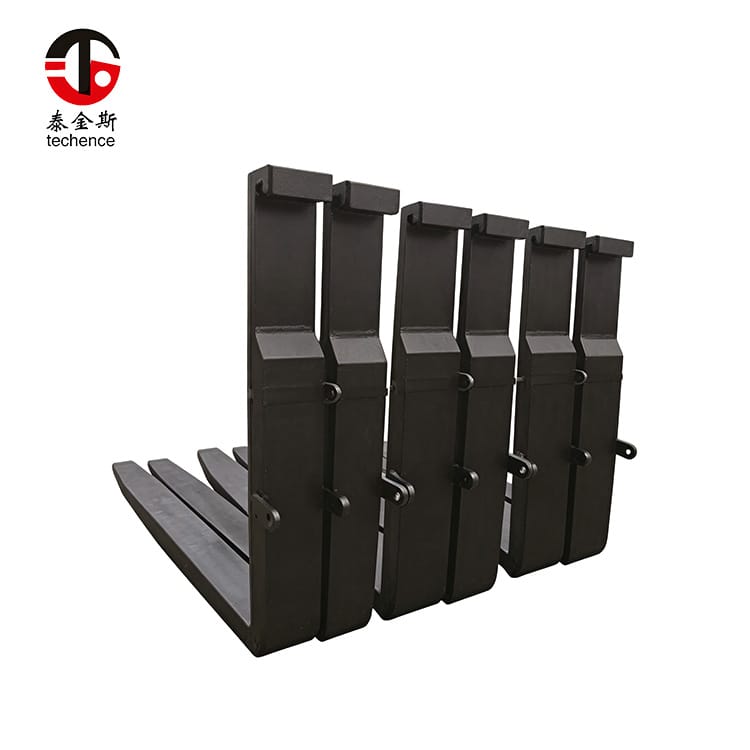
قد لا يكون تركيب الخطاف القياسي كافيًا لكل تطبيق للخدمة الشاقة.
قد تستخدم شوكات المنفذ:
- خطافات معززة
- تركيب دبوس
- تركيب رمح
- أنظمة القفل العلوية والسفلية
- واجهات مسدودة
- عربات متكاملة
- إطارات مخصصة لتحديد موضع الشوكة
يجب أن تقوم طريقة التثبيت بنقل الحمولة دون خلوص مفرط أو تآكل موضعي أو حركة شوكة غير مقصودة.
ابدأ ببيانات التحميل الدقيقة
تبدأ مواصفات شوكة المنفذ الموثوقة بمسح الحمل.
لا تبدأ بنسخ أبعاد الشوكة الموجودة إلا إذا تم التحقق من التكوين الحالي على أنه مناسب بالفعل.
الحد الأقصى لوزن الحمل
سجل الحد الأقصى للحمل الكامل، بما في ذلك:
- منتج
- التعبئة والتغليف
- انزلاق أو إطار
- تركيبات
- المواد المحتجزة
- مكونات الحماية
- إكسسوارات
- أي محتويات سائلة أو سائبة
الحد الأقصى للحمل المعتمد يهم أكثر من متوسط الحمل.
أبعاد التحميل
قياس الحمل الكامل:
- عرض
- عمق
- ارتفاع
- عرض الشوكة الجيب
- ارتفاع الشوكة الجيب
- المسافة بين جيوب الشوكة
- المسافة من وجه الشوكة إلى مركز التحميل
- الحد الأدنى لعمق الإدراج
- الحد الأقصى المسموح به لإسقاط الشوكة
وينبغي أن تؤخذ هذه القياسات من الأحمال التمثيلية بدلا من عينة واحدة مثالية.
مركز الجاذبية
لا يجوز أن يقع مركز الثقل في المركز الهندسي.
يمكن أن يتحول بسبب:
- مكونات الآلات غير متساوية
- حركة سائلة
- حزم الصلب خارج المركز
- كثافات المواد المختلفة
- أجزاء قابلة للإزالة
- تشوه التغليف
- حركة التحميل أثناء السفر
عندما لا يتم وضع علامة على مركز الثقل، يجب على مالك الحمولة أو الفريق الفني تقديم معلومات التوازن التي تم التحقق منها.
موقع نقطة الدعم
تحدد نقاط الدعم مكان اتصال الحمل بالشفرات.
قد تتمتع الشوكة بسعة إجمالية كافية ولكنها لا تزال تعاني من إجهاد موضعي مفرط إذا كان الحمل يقع على مساحة صغيرة.
يسجل:
- عدد نقاط الدعم
- عرض كل دعم
- المسافة بين الدعامات
- مواد الاتصال
- ما إذا كان الحمل يمكن أن ينزلق
- ما إذا كانت الدعامات يمكن أن تتشوه
- ما إذا كانت نقطة الاتصال تتغير أثناء الإدراج
اختلاف التحميل
قد تكون الشوكة المختارة لحمل واحد غير مناسبة لحمل آخر بنفس الوزن ولكن بمركز ثقل أو نمط دعم مختلف.
توثيق نطاق التشغيل الكامل، بما في ذلك:
- أثقل حمولة
- أطول حمولة
- أوسع حمولة
- الحمل الأكثر تركيزا
- أقل حمولة مستقرة
- قم بالتحميل باستخدام أصغر جيوب الشوكة
- تحميل مع أكبر إزاحة مركزية
فهم مركز التحميل والقدرة المتبقية
يعد مركز التحميل أحد أهم المفاهيم في مناولة البضائع الثقيلة.
فهو يصف المسافة الأفقية من وجه الشوكة أو نقطة مرجعية محددة أخرى إلى مركز ثقل الحمل.
لماذا تزيد الأحمال الأطول من اللحظة الأمامية
يمكن التعبير عن لحظة التحميل الأمامية من الناحية المفاهيمية على النحو التالي:
لحظة التحميل = وزن الحمولة × مسافة مركز الجاذبية الأفقية
إذا ظل وزن الحمولة دون تغيير ولكن مركز الجاذبية يتحرك للأمام، فإن تأثير الانقلاب يزداد.
على سبيل المثال، قد تضع الآلة الطويلة المدعومة بالقرب من مؤخرتها معظم وزنها بعيدًا عن وجه الشوكة. يمكن أن يخلق هذا حالة أكثر تطلبًا من الحمل المدمج ذي الوزن المتساوي.
وزن الشوكة والقدرة المتبقية
السعة المتبقية هي قدرة الرفع القابلة للاستخدام لتكوين الرافعة الشوكية الكامل بعد النظر في ما يلي
- وزن الشوكة
- طول الشوكة
- مركز التحميل
- نوع الصاري
- ارتفاع الرفع
- عربة
- المرفقات
- هندسة الرافعة الشوكية
- أبعاد التحميل
لا ينبغي التعامل مع تصنيف الرافعة الشوكية الأصلي على أنه الحمل النهائي المسموح به بعد تركيب شوكات منفذ أكبر.
ارتفاع الرفع
مع ارتفاع الحمل، يصبح استقرار الرافعة الشوكية وتحميل الصاري ذا أهمية متزايدة.
قد لا يوفر التكوين المناسب للنقل منخفض المستوى نفس السعة عند أقصى ارتفاع للرفع.
يجب تضمين ارتفاع المعالجة المطلوب في بيانات الاختيار.
أحمال الإزاحة
يضع حمل الإزاحة المزيد من القوة على شوكة واحدة وجانب واحد من الحامل.
يمكن أن ينتج هذا عن:
- كثافة حمل غير متساوية
- تباعد الشوكة غير صحيح
- نهج غير محاذى
- مركز ثقل خارج المركز
- ارتفاعات الدعم غير المتكافئة
- شوكة واحدة تدخل أبعد من الأخرى
لا ينبغي تفسير سعة زوج الشوكة على أنها إذن لتحميل شوكة واحدة بشكل غير متناسب.
اختر أبعاد شوكة المنفذ الصحيحة
تحتاج المواصفات الكاملة إلى أكثر من الطول وتصنيف الحمل الاسمي.
طول الشوكة
يجب أن يوفر طول الشوكة دعمًا كافيًا مع تجنب الإسقاط غير الضروري.
الشوكات القصيرة جدًا يمكن أن تسبب:
- دعم التحميل غير مكتمل
- تحميل نصيحة
- زيادة مركز التحميل
- الأضرار التي لحقت الانزلاق
- عدم استقرار التحميل
الشوكات الطويلة جدًا يمكن أن تسبب:
- انخفاض القدرة على المناورة
- الاتصال مع البضائع خلف الحمولة
- وزن شوكة أعلى
- زيادة الانحراف
- مشاكل الرؤية
- الإسقاط الأمامي غير الضروري
يجب أن يتبع الطول المحدد تصميم دعم التحميل المعتمد.
عرض الشفرة
يؤثر عرض الشفرة على منطقة التلامس، وملاءمة جيب الشوكة، والدعم الجانبي.
يمكن للشفرة الأوسع توزيع الاتصال على مساحة أكبر، ولكن يجب أن تناسب فتحة الحمل مع خلوص عمل كافٍ.
تحقق مما إذا كانت اللحامات الداخلية أو البراغي أو التعزيزات أو الحطام تقلل من عرض جيب الشوكة القابل للاستخدام.
سمك الشفرة
يساهم سمك الشفرة في الصلابة والقدرة.
ومع ذلك، قد تكون الشفرة أكثر سمكًا:
- فشل في الدخول إلى فتحة منخفضة
- رفع الحمل أعلى أثناء الدخول
- اتصل بالسطح العلوي لجيب الشوكة
- تقليل خلوص الإمالة المتاح
- أضف وزنًا كبيرًا
يجب مراجعة ملف تعريف الشفرة الكامل، بما في ذلك أي استدقاق بالقرب من الطرف.
تباعد الشوكة
يحدد التباعد كيفية دعم الحمل أفقيًا.
قد توفر الشوكات الموضوعة بالقرب من بعضها البعض ثباتًا ضعيفًا من جانب إلى آخر. الشوكات الموضوعة بعيدًا جدًا قد تتصل بالمناطق الضعيفة أو تفشل في دخول الجيوب المخصصة.
يجب أن يسمح نظام تحديد موضع الحامل أو الشوكة بالتباعد المطلوب.
الملف الشخصي للنصيحة
قد تستخدم شوكات المنفذ أشكالًا مختلفة للأطراف اعتمادًا على التطبيق.
قد يساعد الاستدقاق الرقيق أو الأطول في الدخول إلى الفتحات المقيدة، في حين أن الطرف الأثقل قد يتحمل التأثير بشكل أفضل في الظروف القاسية.
يجب أن يوازن تصميم الطرف بين خلوص الدخول والمتانة.
هندسة الكعب والساق
ينقل الكعب حمل الانحناء من الشفرة إلى الساق.
وتشمل الخصائص الهامة ما يلي:
- نصف قطر الكعب
- زاوية الشفرة إلى الساق
- انتقال القسم
- حالة السطح
- غياب الطحن غير المنضبط
- اتساق المعالجة الحرارية
يجب أن توفر الساق مساحة هيكلية كافية لترتيب التثبيت.
تطابق Port Forks مع العربة
ينبغي تقييم الشوكة والحامل كمجموعة هيكلية واحدة.
تركيب نوع هوك
تعمل الشوكات من النوع الخطاف على تعشيق قضبان النقل العلوية والسفلية.
يتحقق:
- فئة النقل
- فتح الخطاف العلوي
- موقف الخطاف السفلي
- عرض هوك
- ارتفاع عرقوب
- موقف دبوس القفل
- ملابس شريط النقل
- التخليص الجانبي
يجب أن تجلس الخطافات بالكامل دون حركة مفرطة.
تركيب نوع الدبوس
تدور الشوكات من النوع الدبوسي أو تتدلى من عمود أو دبوس يمر عبر الجزء العلوي من الشوكة.
تشمل القياسات المهمة ما يلي:
- قطر الدبوس
- قطر شوكة العين
- عرض شوكة العين
- مسافة التركيب
- نظام الاحتفاظ
- التخليص الجانبي
- مادة الدبوس وحالتها
- دعم هندسة الإطار
يحتاج نظام الدبوس إلى الاحتفاظ الكافي لمنع الحركة الجانبية أو فك الارتباط.
رمح والتركيب المتكامل
تستخدم بعض الآلات الثقيلة عمودًا أو شعاع نقل أو ترتيب تركيب متكامل.
قد تعمل هذه التكوينات على تبسيط نقل القوة ولكنها تتطلب عادةً مطابقة دقيقة للأبعاد.
لا تفترض أن آلتين لهما قدرات رفع مماثلة تستخدمان شوكات قابلة للتبديل.
عرض النقل
يجب أن توفر العربة عرضًا كافيًا لتباعد الشوكة المطلوب مع الحفاظ على الدعم الهيكلي.
قد يتطلب الحمل الواسع جدًا عربة أكبر أو نظام تحديد موضع خاص بدلاً من مجرد تحريك الشوكات للخارج.
الأقفال والمثبتات
تمنع أقفال الشوكة ومكونات الاحتفاظ الحركة غير المخطط لها.
يفتش:
- دبابيس القفل
- توقف
- الاحتفاظ بالصفائح
- السحابات
- مقاطع دبوس
- الياقات رمح
- شقوق النقل
- التجنيب الملحومة
يمكن أن تكون هذه المكونات الأصغر ضرورية للسلامة.
تقييم جودة المواد والتصنيع
تعمل شوكات الموانئ تحت الانحناء المتكرر والتأثير والتعرض البيئي. يعتمد أدائها على كل من التصميم والتحكم في التصنيع.
البناء مزورة
يشكل الحدادة المادة تحت قوة يمكن التحكم فيها ويمكن أن يخلق شكلاً هيكليًا مستمرًا من خلال الشفرة والكعب والساق.
أنتجت بشكل صحيح شوكات ميناء مزورة يمكن تحديدها بأقسام ثقيلة وأبعاد خاصة بالتطبيق.
كلمة “forged” وحدها لا تكفي لتأكيد الجودة. يجب أن تكون العملية مدعومة بمواد مناسبة ومعالجة حرارية ومراقبة الأبعاد والفحص.
اختيار المواد
تحتاج المواد إلى توازن مناسب قدره:
- قوة
- صلابة
- مقاومة التعب
- تحمل التأثير
- قابلية اللحام حيثما كان ذلك مناسبًا
- الاستجابة للمعالجة الحرارية
- المقاومة البيئية
المادة الصلبة للغاية ليست أفضل تلقائيًا. قد تقلل الصلابة المفرطة من تحمل الصدمة أو تخلق سلوكًا هشًا.
المعالجة الحرارية
تتحكم المعالجة الحرارية في الخواص الميكانيكية المهمة.
يجب أن تتناول العملية المتسقة ما يلي
- درجة حرارة التسخين
- نقع
- تبريد
- هدأ
- سمك القسم
- اتساق الدفعة
- التحكم في التشويه
- نطاق الصلابة النهائي
تتطلب أقسام الشوكة الكبيرة معالجة دقيقة لأن السطح والقلب قد يبردان بشكل مختلف.
تشكيل الكعب
يعد الكعب أحد أكثر المناطق إجهادًا في الشوكة.
يجب أن يؤكد فحص التصنيع:
- نصف قطر سلس
- الزاوية الصحيحة
- لا توجد انتقالات حادة
- لا توجد شقوق مرئية
- قسم متسق
- لا يوجد إصلاح غير منضبط
- العلاقة الصحيحة بين الأبعاد بين الشفرة والساق
دقة الأبعاد
يجب التحقق من شوكات المنفذ كزوج متطابق.
تتضمن أبعاد الزوج المهمة ما يلي:
- طول الشفرة متساوي
- ارتفاع الطرف المتساوي
- مطابقة تفتق
- مطابقة موضع الخطاف أو الدبوس
- قسم شفرة متسقة
- زاوية ساق متساوية
- تباعد مناسب على العربة
يمكن للشوكات غير المتكافئة أن تخلق دعمًا غير متساوٍ حتى عندما يكون كلاهما قويًا بشكل فردي.
إمكانية التتبع
قد تتضمن وثائق المنتج المفيدة ما يلي:
- تحديد المنتج
- رقم الرسم
- مراجعة الرسم
- سجل المواد
- سجل المعالجة الحرارية
- نتيجة التفتيش
- حالة السعة
- حالة مركز التحميل
- دفعة التصنيع
- أبعاد التركيب
إمكانية التتبع تجعل الفحص والاستبدال في المستقبل أكثر موثوقية.
مطابقة Port Forks مع بيئة التشغيل
تتأثر مناولة البضائع الثقيلة بأكثر من وزن الحمولة.
تحميل التأثير والصدمات
تحدث الصدمة عندما تضرب الشوكات:
- إطارات انزلاقية
- يدعم البضائع
- حواف الأرضية
- منصات التحميل
- هياكل المركبات
- المواد المخزنة الأخرى
يمكن أن يؤدي التأثير المتكرر إلى إتلاف الأطراف أو ثني الشفرات أو فك أجزاء التثبيت أو إحداث شقوق.
لا يمكن للشوكة الأكبر أن تعوض عن التأثير غير المنضبط. وينبغي أيضًا تحسين إجراءات المشغل والوصول إلى التحميل.
التعرض الخارجي
العمل في الهواء الطلق يمكن أن يعرض الشوكات لـ:
- رطوبة
- اختلاف درجات الحرارة
- غبار
- الهواء المحتوي على الملح
- التلوث السطحي
- المياه الراكدة
- انخفاض الرؤية
يجب أن تتوافق التشطيبات الواقية وفترات الصيانة مع البيئة.
البضائع الكاشطة
يمكن للمنتجات الفولاذية والمسبوكات الخشنة والحجر والعناصر الخرسانية والزلاجات القذرة أن تؤدي إلى تآكل سطح الشفرة.
يجب قياس التآكل السطحي عند نقاط ثابتة بدلاً من الحكم عليه بصريًا فقط.
أرض غير مستوية
تؤثر الأرض غير المستوية على ارتفاع طرف الشوكة وموضع الصاري وتوازن الحمل.
قد تلامس إحدى الشوكات الحمل قبل الأخرى، مما يؤدي إلى دخول ملتوي أو غير متساوٍ.
يجب تضمين حالة الأرض في تجربة المناولة.
عملية عالية الدورة
الشوكة المستخدمة للدورات الثقيلة المتكررة تتراكم التعب بشكل مختلف عن تلك المستخدمة في بعض الأحيان.
تتطلب تطبيقات الدورة العالية الاهتمام بما يلي
- تردد التفتيش
- حالة الكعب
- ارتداء التركيب
- محاذاة الشوكة
- الضرر السطحي
- حالة النقل
- التأثيرات التي أبلغ عنها المشغل
- سجلات القياس
قارن شوكات المنفذ مع حلول المناولة الأخرى
| حل التعامل | الاستخدام الأنسب | الميزة الرئيسية | القيد الرئيسي |
| شوكات قياسية | المنصات التقليدية والأحمال الصناعية المعتدلة | بسيطة ومتعددة الاستخدامات ومتوافقة على نطاق واسع | قد تفتقر إلى الأبعاد أو القدرة الهيكلية للبضائع الثقيلة المتخصصة |
| شوكات الميناء | البضائع الثقيلة أو الطويلة أو المركزة أو الخاصة بالتطبيقات | دعم للخدمة الشاقة مع أقسام وتركيب مخصصة | وزن أعلى وحاجة أكبر للتحقق الفني |
| ملحقات الشوكة | التعامل من حين لآخر مع الأحمال المعتمدة الأطول | يضيف طول دعم مؤقت | لا يحل محل الشوكة الثقيلة المصممة بشكل صحيح |
| شوكات تلسكوبية | الوصول المتحكم فيه إلى مواقع التخزين أو التحميل العميقة | وصول قابل للتعديل | اعتبارات أكثر تعقيدًا للآلية والقدرات |
| محدد الشوكة | الأحمال مع تغيير العرض | تعديل التباعد الهيدروليكي | لا يحل طول أو قسم الشوكة غير الكافي |
| مفرشة الحاويات | الأحمال مصممة للمشاركة العليا | رفع مصمم لهذا الغرض من النقاط العلوية المحددة | غير مناسب للبضائع العادية المدعومة بالقاع |
| المشبك أو المهد | البضائع التي تتطلب دعمًا جانبيًا أو اتصالًا مُشكلًا | تحكم أفضل في الأحمال غير المنتظمة | يتطلب ضغطًا وهندسة خاصة بالحمل |
| إطار رفع مخصص | الآلات الفريدة أو شحن المشروع | توزيع القوى من خلال نقاط الرفع الهندسية | إجراءات التعامل الأكثر تخصصًا |
تكون شوكات المنفذ مناسبة عندما يكون الدعم السفلي هو طريقة الرفع الصحيحة ولكن الشوكات القياسية لا توفر الأبعاد اللازمة أو توزيع الحمل أو المتانة.
استخدم إطار عمل تحديد الأحمال
إحدى الطرق العملية لتحديد تفرعات المنافذ هي استخدام إطار عمل LOADS الأصلي.
L: تعريف الحمل
وثيقة:
- الوزن الأقصى
- أبعاد
- مركز الثقل
- مواقع الدعم
- اختلاف التحميل
- التعبئة والتغليف
- استقرار
يجب تحديد الحمل قبل تحديد أبعاد الشوكة.
س: ظروف التشغيل
يسجل:
- ارتفاع الرفع
- طريق السفر
- حالة الأرض
- التعرض
- تردد التأثير
- عدد الدورات
- مناطق التحميل والتفريغ
- مساحة المناورة المتاحة
ج: تركيب المرفقات والنقل
يؤكد:
- نموذج الرافعة الشوكية
- نوع النقل
- أبعاد التركيب
- تباعد الشوكة
- نظام القفل
- المرفقات المثبتة
- تخليص الصاري
- متطلبات تحديد موضع الشوكة
د: التحقق من التصميم
مراجعة:
- طول الشوكة
- عرض
- سمك
- الملف الشخصي للنصيحة
- هندسة الكعب
- مادة
- المعالجة الحرارية
- وزن الشوكة
- القدرة المتبقية
س: الخدمة والتفتيش
يخطط:
- الفحوصات البصرية اليومية
- القياسات المجدولة
- تنظيف
- السيطرة على التآكل
- فحص التركيب
- فحوصات محاذاة الزوج
- الإبلاغ عن الأضرار
- معايير الاستبدال
يجب أن تكون جميع العناصر الخمسة كاملة قبل أن تدخل الشوكات في التشغيل العادي.
إجراء تجربة التعامل الخاضعة للرقابة
وينبغي أن تتبع المراجعة الفنية تجربة خاضعة للرقابة حيثما كان ذلك عمليا.
استخدم الأحمال التمثيلية
يجب أن تشمل المحاكمة ما يلي:
- أثقل حمولة معتمدة
- أطول حمولة
- أكبر مركز تحميل
- أصغر فتحة شوكة
- الدعم الأكثر تركيزا
- أصعب سطح التشغيل
- حمل يومي نموذجي
اختبار الحمل المثالي فقط يمكن أن يخفي قيودًا مهمة.
تحقق من دخول الشوكة
لاحظ ما إذا كان:
- كلا الشوكتين تدخلان بالتساوي
- تتصل النصائح بهيكل الحمل
- تناسب الشفرات جيوب الشوكة
- يمكن للمشغل رؤية نقاط الدخول
- تحتاج الشوكات إلى إمالة مفرطة
- إدراج كتل الحطام
- يتحرك الحمل أثناء الدخول
تحقق من الرفع الأولي
ارفع الحمل بما يكفي فقط للتحقق من الدعم.
يفتش:
- توازن الحمل
- انحراف الشوكة
- تحميل شوكة غير متساو
- حركة التعبئة والتغليف
- موقف نقطة الاتصال
- شوكة وضوضاء النقل
- حركة التركيب
تحقق من استقرار السفر
السفر بسرعة يمكن التحكم فيها على الطريق المقصود.
مراقبة الحمل أثناء:
- بدء
- الكبح
- تحول
- التحولات السطحية
- إمالة الصاري
- تحديد المواقع
- خفض
التفتيش بعد المحاكمة
بعد التفريغ، تحقق:
- نصائح شوكة
- أسطح الشفرة
- مناطق الكعب
- خطاف أو دبابيس
- أقفال الشوكة
- قضبان النقل
- نقاط دعم التحميل
- التعبئة والتغليف
- انزلاق أو تلف الإطار
يجب أن تكون التجربة الناجحة قابلة للتكرار، وليس دورة واحدة مقبولة.
فحص وصيانة بورت فوركس
تتطلب الشوكات الثقيلة فحصًا منضبطًا لأن التغييرات الصغيرة يمكن أن تشير إلى مشاكل تحميل كبيرة.
الفحص البصري اليومي
قبل الاستخدام، تحقق من:
- الشقوق
- الانحناء
- التواء
- ضرر نصيحة
- الحفر السطحية
- تآكل
- علامات الحرارة
- تركيب فضفاض
- أقفال مفقودة
- ارتفاع الشوكة غير متساو
- تحديد غير قابل للقراءة
محاذاة زوج الشوكة
يجب أن يوفر الشوكتان سطحًا داعمًا مستويًا.
قد يشير الاختلاف في ارتفاع الطرف إلى ما يلي:
- شوكة واحدة عازمة
- ارتداء خطاف غير متساو
- أضرار النقل
- تركيب غير صحيح
- بديل لا مثيل له
- التواء دائم
ملابس بليد
قياس سمك الشفرة في مواقع محددة.
انتبه إلى:
- ارتداء الجانب السفلي
- مناطق الاتصال
- مناطق مدببة
- علامات التآكل
- ترقق موضعي
- الحفر
يجب تقييم التآكل وفقًا للحدود المطبقة وإرشادات الشركة المصنعة.
فحص الكعب
افحص الكعب بعناية من أجل:
- الشقوق
- الخطوط السطحية
- تغير لون الحرارة
- طحن
- لحام
- تشوه
- التغييرات في الزاوية
- علامات التأثير
يمكن أن يؤدي التسخين أو اللحام غير المعتمد إلى تغيير خصائص المواد.
فحص الخطاف والدبوس
يجب فحص الأنظمة من النوع الخطاف للتأكد من عدم تآكل الفتح وضعف المقاعد وتلف قضيب النقل.
يجب فحص أنظمة PIN من أجل:
- ارتداء دبوس
- ارتداء العين
- حالة التجنيب
- التخليص الجانبي
- الشقوق حول منطقة التركيب
- اختلال
السيطرة على التآكل
يمكن أن يؤدي التآكل السطحي إلى إخفاء الشقوق أو تقليل القسم بمرور الوقت.
يجب أن يحافظ التنظيف والمعالجة الوقائية على قابلية الفحص. يجب ألا تخفي الطلاءات الثقيلة الضرر.
سجلات الصيانة
يسجل:
- تحديد الشوكة
- تاريخ التثبيت
- مواعيد التفتيش
- قياسات الشفرة
- اختلافات ارتفاع الشوكة
- أحداث التأثير
- إصلاحات
- حالة النقل
- تحميل التغييرات
- قرارات الاستبدال
تعد بيانات الاتجاه أكثر فائدة من ملاحظات التفتيش المعزولة.
أخطاء اختيار شوكة المنفذ الشائعة
الاختيار حسب القدرة وحدها
لا يؤكد بيان السعة الطول أو مركز التحميل أو هندسة الدعم أو التثبيت أو التوافق.
يمكن لحملتين متساويتين في الوزن أن تخلقا ضغوطًا مختلفة جدًا على الشوكة.
اختيار الشوكات الطويلة جدًا
يزيد الطول الإضافي من الوزن ويمكن أن يحرك الحمل للأمام.
استخدم أقصر طول يوفر الدعم الكامل المعتمد.
تجاهل مركز التحميل الحقيقي
قد يعتمد التصنيف الأصلي للرافعة الشوكية على حمولة أكثر إحكاما.
يمكن للشحنات الصناعية الطويلة أن تخلق لحظة أمامية أكبر بكثير.
بافتراض أن الشوكات الثقيلة عالمية
تختلف شوكات المنفذ من حيث القسم والطول والتركيب والمواد وملاءمة النقل والظروف المقدرة.
التشابه البصري ليس دليلاً على قابلية التبادل.
تجاهل ملابس النقل
قد تظل الشوكة الجديدة المثبتة على عربة مهترئة مفكوكة أو يتم تحميلها بشكل غير متساو.
فحص الواجهة الكاملة.
استخدام امتدادات الشوكة كشوكات ميناء دائمة
يمكن أن تكون امتدادات الشوكة مفيدة للمهام العرضية المعتمدة، ولكنها لا توفر تلقائيًا الصلابة أو أمان التثبيت أو توزيع الأحمال لشوكات المنافذ المصممة لهذا الغرض.
استبدال شوكة واحدة فقط
يجب مقارنة البديل بالشوكة المتبقية من أجل:
- طول
- قسم
- ارتفاع
- تركيب
- سعة
- يرتدي
- الملف الشخصي للنصيحة
- زاوية عرقوب
يمكن للزوج غير المتطابق بشكل كبير أن يدعم الحمل بشكل غير متساو.
الفشل في مراجعة الأحمال الجديدة
قد لا تظل الشوكة المناسبة للبضائع الأصلية مناسبة بعد تغيير أبعاد الحمولة أو نقاط الدعم أو ارتفاعات المناولة.
يجب مراجعة مدى ملاءمة الشوكة كلما تغيرت عملية التشغيل.
قائمة مراجعة مواصفات Port Fork
قبل طلب المواصفات، قم بإعداد البيانات التالية.
معلومات الرافعة الشوكية
- الشركة المصنعة والنموذج
- تحديد المعدات
- القدرة المقدرة
- مركز التحميل المقدر
- نوع الصاري
- أقصى ارتفاع للرفع
- نوع النقل
- عرض النقل
- أبعاد التركيب
- المرفقات المثبتة
- التعديلات السابقة
تحميل المعلومات
- الوزن الأقصى
- العرض والعمق والارتفاع
- مركز الثقل
- أبعاد نقطة الدعم
- أبعاد الجيب الشوكية
- التعبئة والتغليف
- اختلاف التحميل
- تردد التعامل
معلومات الشوكة المطلوبة
- طول الشفرة
- عرض الشفرة
- سمك الشفرة
- الملف الشخصي للنصيحة
- تباعد الشوكة
- أبعاد عرقوب
- أبعاد الخطاف أو الدبوس
- ترتيب القفل
- متطلبات السطح
- قيود وزن الشوكة
معلومات التشغيل
- سطح السفر
- ظروف التعرض
- عدد الدورات
- مخاطر التأثير
- ارتفاع الرفع
- طريقة التخزين
- أبعاد منصة التحميل
- جدول التفتيش
عندما تكون الحمولة أو ترتيب التركيب غير قياسي، أ مراجعة مواصفات شوكة المنفذ المخصصة يجب أن تتضمن الرسومات الفنية، وصور التحميل، ومعلومات مركز الجاذبية، وقياسات النقل، وارتفاع الرفع، وتسلسل المناولة الكامل.
خاتمة
تعمل شوكات الموانئ على تحسين التعامل مع البضائع الثقيلة من خلال توفير دعم الحمولة الذي يمكن مطابقته للأبعاد المطلوبة والأوزان المركزة ومراكز التحميل الطويلة وعربات الرافعات الشوكية المتخصصة.
قيمتها تأتي من الهندسة الصحيحة وليس الحجم وحده.
ينبغي أن تكون عملية الاختيار موثوقة:
- تحديد الحمل الكامل ومركز ثقله.
- تحديد نقاط الدعم الدقيقة.
- التحقق من القدرة المتبقية للرافعة الشوكية.
- حدد طول الشوكة وعرضها وسمكها واستدقاقها المناسب.
- قم بمطابقة نظام التثبيت مع الحامل الفعلي.
- تقييم المواد والتزوير والمعالجة الحرارية ودقة الأبعاد.
- إجراء تجربة التعامل الخاضعة للرقابة.
- إنشاء برنامج التفتيش والصيانة.
أفضل شوكات المنافذ ليست مجرد أثقل الشوكات. إنها الشوكات التي تدعم الحمل في الموضع الصحيح، وتناسب الماكينة بدقة، وتبقى ضمن السعة التي تم التحقق منها، وتتحمل بيئة التشغيل، ويمكن فحصها طوال فترة خدمتها.
الأسئلة الشائعة
ما هي استخدامات شوكات المنفذ؟
شوكات الميناء هي أذرع شوكة للخدمة الشاقة تستخدم في الآلات الصناعية والمنتجات المعدنية والزلاجات الكبيرة وحمولة المشروع والمنصات المعززة وأحمال الوحدات الأخرى المطلوبة. يتم اختيارها عندما لا توفر الشوكات القياسية الطول أو القسم أو التركيب أو دعم الحمولة المطلوب.
هل شوكات الموانئ هي نفس موزعات الحاويات؟
لا. تدعم شوكات الميناء البضائع المناسبة من الأسفل من خلال جيوب الشوكة أو الزلاجات أو الإطارات أو المساحات المفتوحة. تقوم موزعات الحاويات بإشراك نقاط الرفع المحددة من الأعلى. يعتمد النظام الصحيح على تصميم الحمولة وطريقة الرفع أو الدعم المعتمدة.
كيف أختار طول شوكة المنفذ الصحيح؟
قم بقياس عمق الحمل، ومواقع نقاط الدعم، وعمق الإدخال المطلوب، ومركز التحميل، ومساحة المناورة المتاحة. يجب أن تدعم الشوكة الحمل بالكامل دون أن تبرز خلفه دون داع أو تحرك مركز الجاذبية للأمام أكثر مما هو مطلوب.
هل يمكن لشوكات الميناء أن تناسب أي رافعة شوكية للخدمة الشاقة؟
يجب أن تتطابق شوكات المنفذ رقم مع نوع الحامل، وأبعاد الخطاف أو الدبوس، وتباعد الشوكة، وخلوص الصاري، ونظام القفل، وقدرة الرافعة الشوكية المتبقية. لا تضمن قدرات الرفع المماثلة أن الرافعتين الشوكيتين تستخدمان ترتيبات تركيب قابلة للتبديل.
كم مرة يجب فحص شوكات الميناء؟
أكمل الفحص البصري قبل التشغيل وحدد موعدًا لعمليات التفتيش التفصيلية وفقًا لدورة العمل وشدة الحمل والتعرض البيئي وإرشادات الشركة المصنعة والمتطلبات المعمول بها. تتطلب التطبيقات عالية الدورة أو عالية التأثير أو المسببة للتآكل عادةً مراقبة دقيقة.