Table of Contents
Introduction
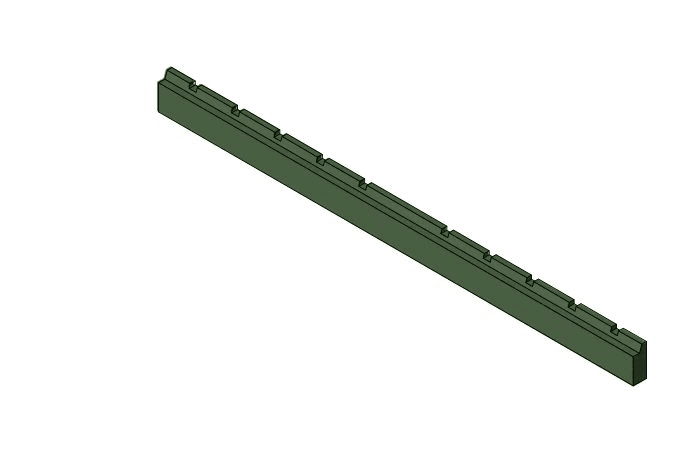
A forklift carriage bar looks simple, but it is a structural interface between the mast, forks, and any hook-on attachment fitted to the truck. Ordering one from a photograph or model name alone can result in the wrong carriage class, poor fork engagement, misplaced locking notches, or interference with rollers and hydraulic components.
This guide explains how to measure and specify a forklift carriage bar before requesting a replacement or custom fabrication. It is intended for maintenance teams, equipment dealers, fleet managers, and buyers who need a practical specification rather than a generic description.
The image below shows the profile and working surfaces that must match the fork hooks and carriage assembly. These details are more important than the bar’s overall appearance because they control fit, movement, and load transfer.
What a Forklift Carriage Bar Does
The upper and lower bars form the mounting face of a fork carrier. Hook-type forks hang from the upper rail, bear against the lower rail, and move laterally when their locking pins are released. A forklift carriage bar must therefore provide the correct profile, spacing, straightness, and surface condition for the installed forks.
The bars may also support side shifters, fork positioners, clamps, or other approved equipment. Any change can affect the truck’s capacity and operating envelope. The OSHA powered industrial truck requirements address modifications and additions that influence safe capacity and operation. Always follow the truck manufacturer’s instructions and applicable local rules.
Identify the Carriage Class First
Carriage class is the first specification to confirm. It defines the mounting relationship used by compatible hook-on forks and attachments. Do not infer class only from truck capacity, fork width, or a familiar fleet model. Trucks may have been repaired, converted, or fitted with a different carriage during their working life.
Measure the total mounting height from the top of the upper bar to the bottom of the lower bar, then compare the result with verified technical documentation. The relevant forklift fork mounting standard covers dimensions and additional requirements for hook-on fork arms and fork carriers. Use the applicable edition and market requirements when confirming compatibility.
Measure the Existing Carriage Correctly
A replacement forklift carriage bar should be based on direct measurements of the serviceable original assembly or an approved drawing. Remove dirt and scale before measuring. If the existing part is bent or heavily worn, record both the observed dimensions and the nominal dimensions from the equipment documentation.
- Overall carriage width and bar length
- Vertical distance between the upper and lower mounting references
- Bar section height, thickness, and profile geometry
- Distance from each end to mounting holes, weld zones, and stops
- Fork locking-notch width, depth, pitch, and centerline position
- Clearance for rollers, chains, cylinders, hoses, and side-shift components
Measure in several places. A forklift carriage bar may be locally worn where forks are used most often, so a single reading can understate the original section. A straightedge can also reveal bowing or twist that is difficult to see in a photograph.
Specify the Bar Section and Length
Length must match the carriage structure and the intended fork-spacing range. A longer forklift carriage bar is not automatically more versatile: unsupported overhang, frame geometry, load distribution, and attachment travel all require engineering review. The finished width must also suit the mast channels and carriage side plates.
| Specification | Why It Matters |
|---|---|
| Carriage class | Controls hook-on fork and attachment compatibility |
| Bar profile | Determines seating, bearing, and retention |
| Overall length | Sets frame fit and available fork spread |
| Notch pattern | Controls fork locking positions |
| Mounting details | Connects the bar to the carriage structure |
| Required finish | Supports corrosion protection and inspection |
When the original section is known, include its dimensional convention on the drawing so height and thickness cannot be reversed. Techence supplies forklift carriage bar options that can be matched to customer requirements, but approval still depends on complete and accurate application data.
Check Notches, Locking, and Attachment Clearance
Fork position locks need clean, correctly spaced notches. A notch that is too shallow may prevent full pin engagement; one that is too wide can permit unwanted movement. Confirm the pattern across the complete working range, including the center position and the closest safe position to each carriage end.
If the truck uses a side shifter or fork positioner, specify the actual assembly rather than treating the forklift carriage bar as an isolated rail. Hydraulic components, wear pads, stops, and attachment hooks may reduce usable space or require a different profile.
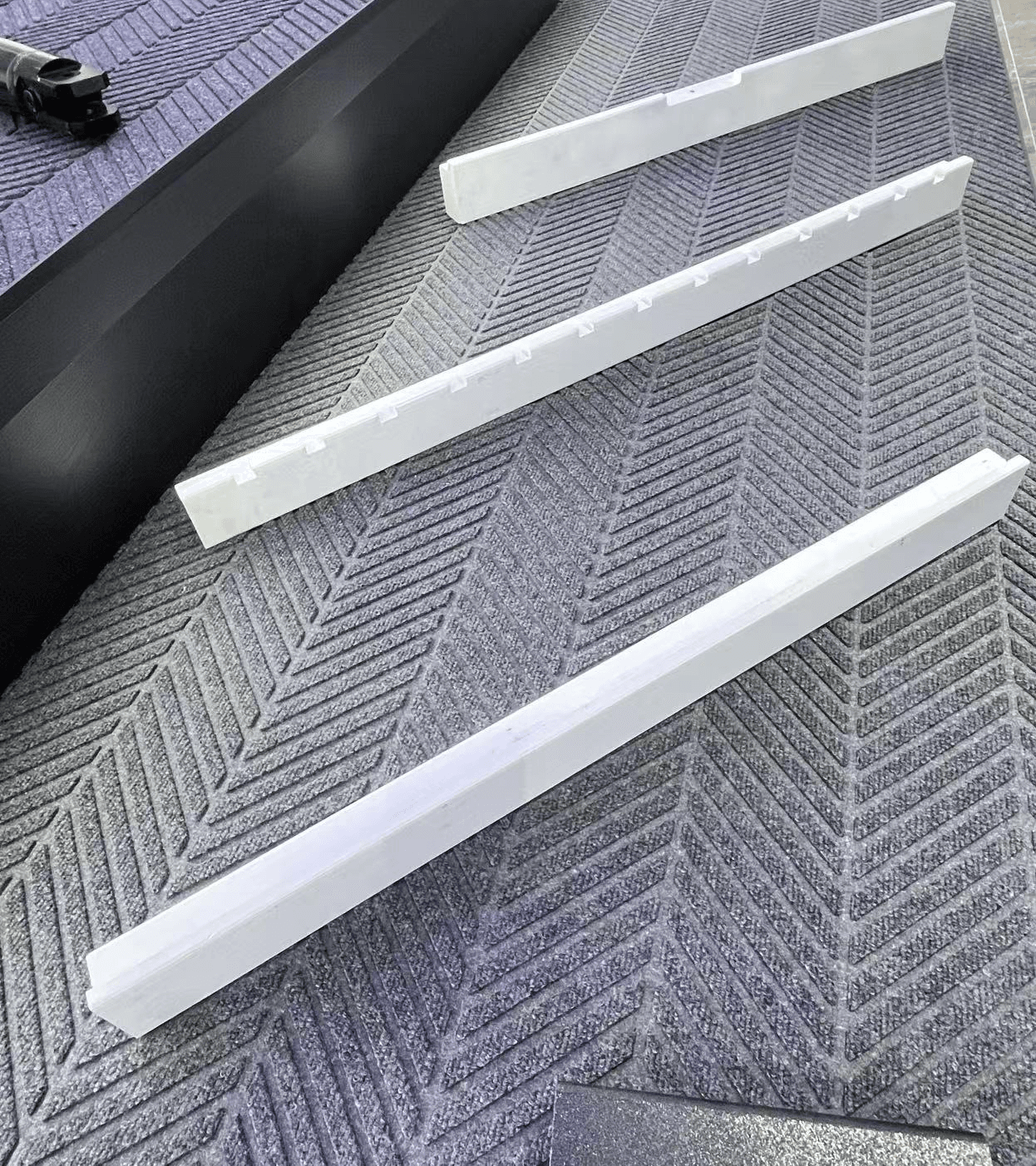
This second image shows how a carriage rail is supplied as a defined component rather than an approximate piece of steel. The finished forklift carriage bar must integrate with the complete carrier, not merely match the visible length of the old part.
Review Material, Fabrication, and Inspection
Material grade, heat history, machining, welding procedure, and final straightness all matter in a load-carrying component. Do not substitute an unspecified commercial bar solely because its outside dimensions appear similar. Ask the supplier to identify the material and manufacturing controls used for the proposed forklift carriage bar.
Before installation, inspect the rail for cracks, distortion, damaged edges, dimensional errors, and coating on critical bearing surfaces. After installation, verify fork engagement and locking at low height in a controlled area. Any capacity plate or documentation changes required by the truck manufacturer should be completed before normal service.
Information to Send With an Inquiry
A useful inquiry for a forklift carriage bar includes more than “Class 2” or “Class 3.” Send the forklift make and model, rated capacity, mast type, carriage class, complete dimensions, required quantity, operating environment, and clear photographs with a scale reference.
- Provide a dimensioned drawing of the upper and lower rails.
- Mark every notch, hole, stop, and welded connection.
- Identify the forks and attachments that will be installed.
- State whether the request is a direct replacement or a modified design.
- Confirm the required documentation and inspection criteria.
If a verified drawing is unavailable, the Techence contact team can review the information you have and identify what additional measurements are needed. That step is far safer than building a forklift carriage bar from incomplete photographs.
Conclusion
Selecting a forklift carriage bar is a compatibility and structural task. Confirm the carriage class, measure the complete mounting geometry, define the rail profile and notch pattern, and account for every fork or attachment that must fit the assembly. A precise inquiry reduces rework and helps the supplier evaluate the component against the real truck configuration.
FAQ
How do I identify the correct forklift carriage bar class?
Measure from the top of the upper carriage rail to the bottom of the lower rail, then compare the result with the truck documentation and applicable mounting standard. Do not rely only on rated capacity or forklift model.
Can a forklift carriage bar be ordered from a photograph?
A photograph helps show the general arrangement, but it cannot reliably define profile thickness, mounting height, notch depth, straightness, or hidden connections. Supply a dimensioned drawing and verified equipment details before manufacturing.
What dimensions are essential for a replacement forklift carriage bar?
Record overall length, section height and thickness, carriage mounting height, notch locations, end clearances, mounting holes, stops, and the relationship between upper and lower rails. Measure at several points to identify wear.
Does changing a forklift carriage bar affect truck capacity?
It can. Changes to carriage weight, thickness, attachment geometry, fork position, or load center may alter capacity. Obtain approval required by the manufacturer and regulations, and update the data plate when applicable.
Should a used forklift carriage bar be copied exactly?
Only if the existing component is verified as correct and serviceable. Wear, bending, previous repairs, or an earlier incorrect replacement can produce misleading dimensions. Compare measurements with approved drawings before copying the part.