Índice
Introdução
A carga pesada raramente se comporta como uma palete de armazém comum Pode ser mais longa, mais densa, menos equilibrada, mais difícil de abordar ou suportada por apenas alguns pontos estruturais Quando uma empilhadeira lida com máquinas industriais, produtos siderúrgicos, patins pesados, grandes cargas unitárias ou carga fracionada, as dimensões padrão do garfo podem não fornecer o suporte ou durabilidade necessários.
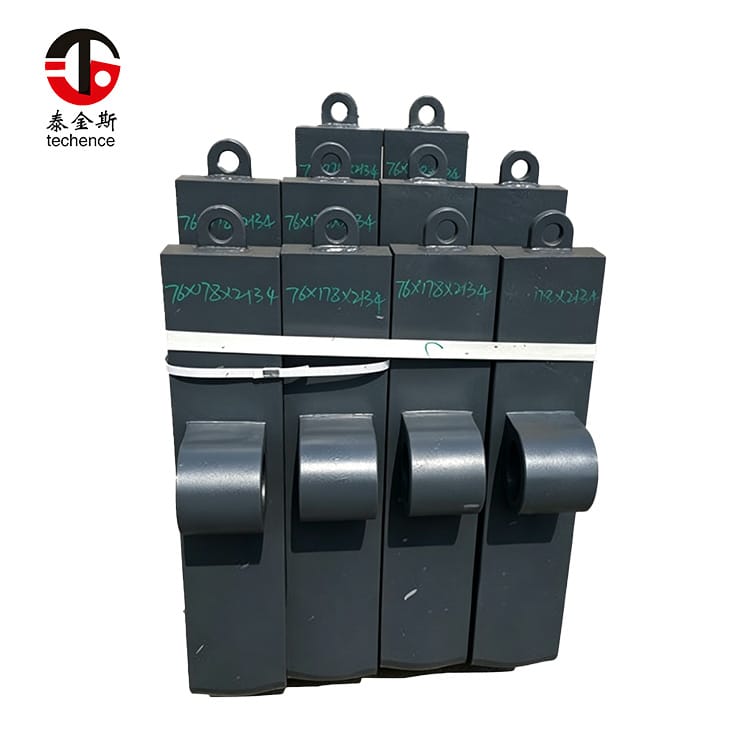
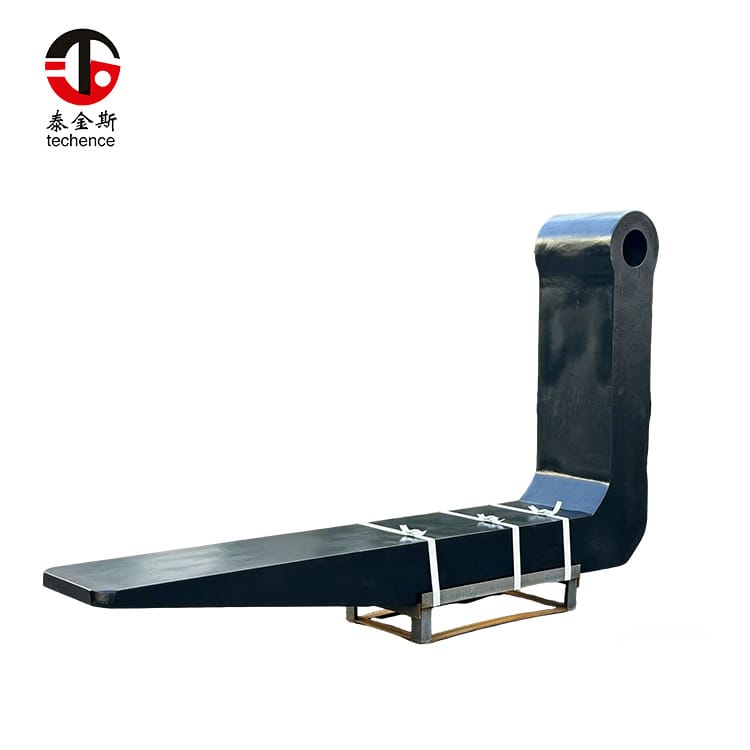
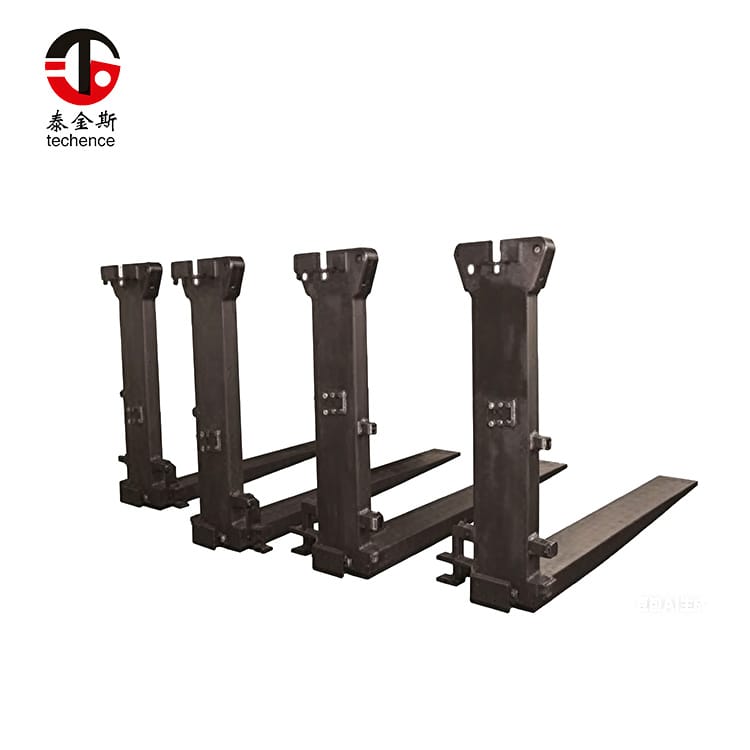
Os garfos portuários são projetados para essas condições de manuseio exigentes. Eles geralmente usam seções de pás maiores, caminhos de carga reforçados, arranjos de montagem para serviços pesados e dimensões selecionadas em torno da carga real, em vez de um formato de palete padrão.
O nome vem de seu uso comum em operações do terminal portuário, onde a carga pode se mover entre áreas de armazenamento, plataformas de carregamento, equipamentos de transporte e zonas de preparação No entanto, sua utilidade não se limita às instalações à beira-mar Garfos semelhantes podem ser usados onde cargas pesadas, longas ou concentradas exigirem um design de garfo mais substancial.
Os garfos de porta não devem ser seleccionados simplesmente porque uma empilhadora tem uma capacidade nominal elevada A configuração completa deve ter em conta:
- Peso máximo da carga
- Dimensões da carga e centro de gravidade
- Comprimento, largura e espessura do garfo
- Posição de suporte de carga
- Espaçamento entre garfos
- Peso da forquilha e do carro
- Altura do elevador
- Configuração mastro
- Método montagem
- Condições superficiais
- Impacto e ciclo de trabalho
- Requisitos de inspeção e manutenção
O design mais eficaz não é necessariamente o maior garfo disponível É o garfo que suporta a carga real corretamente, se encaixa na empilhadeira com segurança, mantém a capacidade residual verificada e executa consistentemente no ambiente operacional real.
O que são bifurcações portuárias?
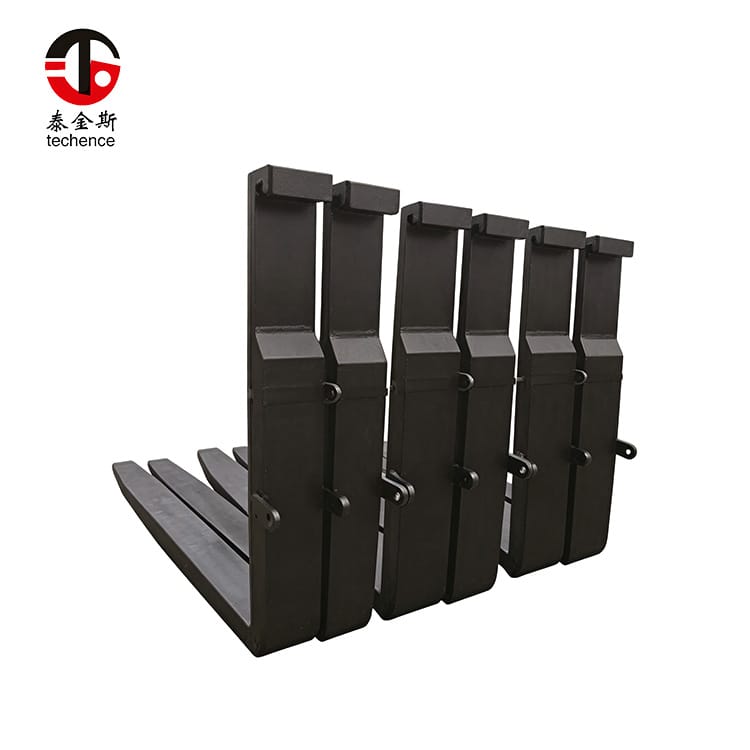
Os garfos portuários são braços de garfo pesados projetados para aplicações exigentes de manuseio de carga Eles são normalmente instalados em empilhadeiras de alta capacidade, caminhões industriais pesados, tratores terminais com sistemas de elevação ou máquinas de manuseio de materiais construídas especificamente.
A sua construção pode incluir:
- Grandes seções transversais de lâmina
- Comprimentos de lâmina estendidos
- Saltos reforçados
- Haste pesada
- Gancho, pino, eixo ou montagem integrada
- Espaçamento personalizado da forquilha
- Perfis de dicas específicos para aplicações
- Seções de suporte de carga forjadas ou cuidadosamente formadas
Ao contrário dos garfos de armazém gerais, os garfos portuários são frequentemente especificados em torno de uma família de carga individual ou processo operacional.
Construção de garfos para serviços pesados
A carga transportada por um garfo cria tensão de flexão ao longo da lâmina e tensão concentrada ao redor do calcanhar À medida que o peso da carga, o centro da carga e o comprimento do garfo aumentam, essas tensões se tornam mais exigentes.
Um garfo de porta, portanto, precisa de um caminho estrutural contínuo da lâmina através do calcanhar e para a haste ou sistema de montagem.
Um grande tamanho externo por si só não garante o desempenho adequado As propriedades do material, a qualidade do forjamento, o tratamento térmico, a geometria do calcanhar, a precisão dimensional e a condição da superfície afetam o resultado final.
Aplicações típicas de portos e terminais
Garfos de porta podem ser usados para manusear:
- Paletes pesados
- Máquinas industriais
- Chapas aço
- Feixes metal
- Fundições grandes
- Caixas pesadas
- Componentes estruturais
- Patins longos
- Carga projeto
- Cargas unitizadas de breakbulk
- Contentores pesados ou armações concebidos para o manuseamento de garfos
- Equipamento com bolsos dedicados para garfos
A carga ainda deve fornecer pontos de suporte apropriados Um objeto pesado sem áreas adequadas de entrada de garfo pode exigir um berço, viga de elevação, braçadeira, espalhador ou outro acessório projetado.
Garfos de porta não são espalhadores de contêineres
Os garfos portuários e os espalhadores de contêineres desempenham diferentes funções.
Os garfos portuários suportam carga por baixo Eles entram em bolsos de garfo, aberturas de paletes, patins, quadros ou espaços abaixo de uma carga.
Um espalhador de contêineres normalmente engata pontos de elevação designados de cima Ele é projetado em torno de um método de elevação e caminho de carga diferentes.
Não se deve presumir que grandes garfos portuários levantem diretamente todos os contêineres de carga. A carga deve ser projetada ou aprovada para engate do garfo e os pontos de suporte selecionados devem tolerar as forças de contato.
Essa distinção evita um erro de seleção comum: escolher um par maior de garfos para uma carga que realmente requer um sistema de elevação diferente.
Que tipos de cargas são adequados para bifurcações portuárias?
Os garfos portuários funcionam melhor quando a carga possui pontos de suporte estáveis, acessíveis e estruturalmente adequados.
Carga Pesada Unitizada
Uma carga unitária é disposta de modo que vários itens se comportem como uma unidade de manuseio.
Exemplos incluem:
- Feixes de metal amarrados
- Máquinas seguras em patins
- Caixas reforçadas
- Componentes industriais embalados
- Produtos pesados fixados a uma estrutura de transporte
O método de unitização deve permanecer seguro durante a entrada, elevação, deslocamento, frenagem, giro e colocação do garfo.
Produtos de Aço e Metal
Placas de aço, barras, perfis, bobinas, peças fundidas e conjuntos fabricados podem criar carga concentrada.
Ao manusear cargas metálicas, verifique:
- Posição do ponto de contato
- Rigidez da carga
- Fricção superficial
- Bordas afiadas
- Deflexão de carga
- Risco de movimento lateral
- Espaçamento necessário do garfo
- Proteção da superfície do garfo
- Proteção da superfície do produto
Uma carga pesada distribuída por um patim largo comporta-se de forma diferente do mesmo peso concentrado em dois suportes estreitos.
Máquinas Industriais
As máquinas podem ter um centro de gravidade irregular porque os principais componentes, como motores, caixas de engrenagens, bombas, contrapesos ou estruturas, estão posicionados de um lado.
As dimensões externas nem sempre revelam o verdadeiro ponto de equilíbrio.
Antes de manusear máquinas, identifique:
- Pontos de elevação ou entrada de garfo aprovados
- Marcações do centro de gravidade
- Movimento fluido
- Componentes removíveis
- Força da embalagem ou do transporte-quadro
- Inserção mínima do garfo
- Restrição necessária
Carga de Projeto e Breakbulk
A carga do projeto geralmente inclui dimensões incomuns, manuseio de baixo volume e arranjos de suporte complexos.
Para essas cargas, os garfos portuários podem exigir dimensões personalizadas O processo de seleção deve usar desenhos, dados de carga, sequências de manuseio e locais de suporte reais, em vez de uma descrição geral, como carga pesada “.”
Paletes, patins e molduras pesadas
Paletes e patins resistentes podem fornecer pontos de entrada previsíveis, mas sua condição deve ser inspecionada.
Verifique se:
- Feixes rachados
- Secções de aço dobradas
- Fixadores soltos
- Aberturas restritas do garfo
- Deformação sob carga
- Altura de suporte desigual
- Detritos dentro dos bolsos do garfo
- Largura de abertura insuficiente
O garfo deve entrar sem forçar, torcer ou golpear os componentes estruturais.
Como as bifurcações portuárias diferem das empilhadeiras padrão
A principal diferença não é simplesmente a capacidade nominal Os garfos portuários são geralmente projetados em torno de geometria e condições operacionais mais exigentes.
| Fator Design | Garfos Padrão | Garfos Portuários |
|---|---|---|
| Formato de carga típico | Paletes convencionais e carga geral | Carga pesada, longa, concentrada ou especializada |
| Seção lâmina | Largura e espessura moderadas | Secção maior seleccionada para maior procura estrutural |
| Comprimento garfo | Profundezas comuns de paletes | Pode ser significativamente mais longo para cargas grandes |
| Montagem | Carruagem comum tipo gancho | Gancho, pino, eixo ou montagem personalizada |
| Peso garfo | Relativamente gerenciável | Pode ser substancial e afetar a capacidade residual |
| Centro de carga | Muitas vezes com base na geometria padrão da palete | Pode ser estendido ou variável |
| Exposição ao impacto | Manuseio geral de armazéns | Choque frequente, uso externo, superfícies pesadas e cargas difíceis |
| Personalização | Frequentemente selecionado a partir de dimensões padrão | Frequentemente projetado em torno de dados de carga e máquinas |
| Foco inspeção | Desgaste, rachaduras, flexão, ganchos, fechaduras | Mesmas verificações, além de deflexão, desgaste pesado da montagem, danos por impacto e alinhamento de lâmina longa |
| Risco principal | Engate ou sobrecarga incorreta do palete | Momento de carga elevado, apoio desigual, incompatibilidade do carro, impacto, e fadiga estrutural |
Seções maiores do garfo
Uma seção de lâmina maior pode proporcionar maior rigidez e capacidade de suporte de carga, mas também pode criar desvantagens.
Lâminas mais grossas podem não caber nos bolsos disponíveis do garfo Lâminas mais largas podem interferir nos suportes de carga Garfos mais pesados consomem parte da capacidade da empilhadeira e podem ser difíceis de reposicionar manualmente.
As dimensões devem, portanto, ser otimizadas em vez de maximizadas.
Comprimentos de lâmina mais longos
Garfos longos fornecem suporte de carga mais profundo, mas o comprimento crescente move o ponto de contato e o centro de gravidade potencial mais para frente.
Lâminas mais longas também podem:
- Aumentar deflexão
- Reduzir manobrabilidade
- Estenda-se além da parte traseira de uma carga
- Contactar carga próxima
- Reduzir visibilidade
- Aumentar o peso do garfo
- Exigir uma seção de lâmina maior
O comprimento do garfo deve ser baseado na profundidade de suporte necessária, não na suposição de que o comprimento extra é sempre mais seguro.
Peso aumentado do garfo
Os garfos portuários pesados podem pesar substancialmente mais do que os garfos padrão Seu peso se torna parte da carga transportada na frente da empilhadeira.
Isso afeta:
- Capacidade de elevação residual
- Carregamento de carruagem
- Carregamento de mastro
- Procedimentos de instalação
- Posicionamento garfo
- Manuseio manutenção
- Transporte e armazenamento
O peso da forquilha deve ser incluído na revisão completa da capacidade.
Sistemas de Montagem Especializados
A montagem padrão do gancho pode não ser suficiente para todas as aplicações pesadas.
Garfos de porta podem usar:
- Ganchos reforçados
- Montagem pino
- Montagem eixo
- Sistemas de bloqueio superior e inferior
- Interfaces aparafusadas
- Carruagens integradas
- Quadros personalizados para posicionamento de garfos
O método de montagem deve transferir a carga sem folga excessiva, desgaste localizado ou movimento não intencional do garfo.
Comece com dados de carga precisos
Uma especificação confiável do garfo da porta começa com um levantamento de carga.
Não comece copiando as dimensões do fork existente, a menos que a configuração atual já tenha sido verificada como adequada.
Peso Máximo de Carga
Registar a carga máxima completa, incluindo
- Produto
- Embalagem
- Skid ou quadro
- Acessórios
- Materiais retidos
- Componentes protetores
- Acessórios
- Qualquer líquido ou conteúdo solto
A carga máxima aprovada importa mais do que a carga média.
Carregar Dimensões
Meça a carga completa:
- Largura
- Profundidade
- Altura
- Largura do bolso
- Altura do bolso
- Distância entre bolsos de garfo
- Distância da face do garfo ao centro de carga
- Profundidade mínima de inserção
- Projeção máxima permitida do garfo
Estas medições devem ser obtidas a partir de cargas representativas e não de uma amostra ideal.
Centro de Gravidade
O centro de gravidade pode não estar localizado no centro geométrico.
Pode mudar por causa de:
- Componentes de máquinas irregulares
- Movimento líquido
- Feixes de aço fora do centro
- Diferentes densidades de materiais
- Peças removíveis
- Deformação embalagem
- Movimento de carga durante a viagem
Quando o centro de gravidade não estiver marcado, o proprietário da carga ou a equipe técnica devem fornecer informações de equilíbrio verificadas.
Localização Support-Point
Os pontos de suporte determinam onde a carga entra em contato com as lâminas.
Um garfo pode ter capacidade geral suficiente, mas ainda experimentar tensão localizada excessiva se a carga repousar em uma pequena área.
Gravar:
- Número de pontos de apoio
- Largura de cada suporte
- Distância entre suportes
- Material contato
- Se a carga pode deslizar
- Se os suportes podem deformar-se
- Se o ponto de contacto muda durante a inserção
Variação Carga
Um garfo selecionado para uma carga pode ser inadequado para outro com o mesmo peso, mas com um centro de gravidade ou padrão de suporte diferente.
Documentar a gama de funcionamento completa, incluindo
- Carga pesada
- Carga mais longa
- Carga mais larga
- Carga mais concentrada
- Carga menos estável
- Carregue com os menores bolsos de garfo
- Carregue com o maior deslocamento central
Entenda o Centro de Carga e a Capacidade Residual
O centro de carga é um dos conceitos mais importantes no manuseio de cargas pesadas.
Descreve a distância horizontal da face do garfo ou de outro ponto de referência definido ao centro de gravidade da carga.
Por que cargas mais longas aumentam o momento de avanço
O momento de carga para a frente pode ser expresso conceptualmente como
Momento de carga = peso da carga × distância horizontal do centro de gravidade
Se o peso da carga permanecer inalterado, mas o centro de gravidade se mover mais para frente, o efeito de tombamento aumenta.
Por exemplo, uma máquina longa apoiada perto de sua parte traseira pode colocar a maior parte de seu peso longe da face do garfo Isso pode criar uma condição muito mais exigente do que uma carga compacta de igual peso.
Peso do garfo e capacidade residual
A capacidade residual é a capacidade de elevação utilizável da configuração completa da empilhadeira após considerar:
- Peso garfo
- Comprimento garfo
- Centro de carga
- Tipo mastro
- Altura do elevador
- Carruagem
- Anexos
- Geometria empilhadeira
- Dimensões de carga
A classificação original da empilhadeira não deve ser tratada como a carga final permitida após a instalação de garfos de porta maiores.
Altura de elevação
À medida que a carga aumenta, a estabilidade da empilhadeira e o carregamento do mastro tornam-se cada vez mais importantes.
Uma configuração adequada para transporte de baixo nível pode não fornecer a mesma capacidade na altura máxima de elevação.
A altura de manuseio necessária deve ser incluída nos dados de seleção.
Cargas Offset
Uma carga deslocada coloca mais força em um garfo e em um lado do carro.
Isto pode resultar de:
- Densidade de carga desigual
- Espaçamento incorreto do garfo
- Abordagem desalinhada
- Um centro de gravidade descentralizado
- Alturas de suporte desiguais
- Um garfo entrando mais longe que o outro
A capacidade do par de garfos não deve ser interpretada como permissão para carregar um garfo desproporcionalmente.
Escolha as Dimensões Corretas do Garfo da Porta
Uma especificação completa precisa de mais do que comprimento e classificação de carga nominal.
Comprimento do garfo
O comprimento da forquilha deve fornecer suporte suficiente, evitando projeções desnecessárias.
Garfos muito curtos podem causar
- Suporte de carga incompleto
- Carregamento de ponta
- Centro de carga aumentada
- Danos à derrapagem
- Instabilidade de carga
Garfos demasiado longos podem causar
- Manobrabilidade reduzida
- Contato com carga atrás da carga
- Peso mais alto do garfo
- Deflexão aumentada
- Problemas de visibilidade
- Projeção direta desnecessária
O comprimento selecionado deve seguir o projeto de suporte de carga aprovado.
Largura da lâmina
A largura da lâmina afeta a área de contato, o ajuste do fork-pocket e o suporte lateral.
Uma lâmina mais larga pode distribuir o contato por uma área maior, mas deve encaixar a abertura de carga com folga de trabalho suficiente.
Verifique se soldas internas, parafusos, reforços ou detritos reduzem a largura útil do bolso do garfo.
Espessura da Lâmina
A espessura da lâmina contribui para a rigidez e capacidade.
No entanto, uma lâmina mais espessa pode:
- Não conseguir entrar numa abertura baixa
- Eleve a carga mais alto durante a entrada
- Entre em contato com a superfície superior de um bolso de garfo
- Reduza a folga de inclinação disponível
- Adicione peso significativo
O perfil completo da lâmina deve ser revisado, incluindo qualquer conicidade próxima à ponta.
Espaçamento entre garfos
O espaçamento determina como a carga é suportada lateralmente.
Garfos posicionados muito próximos uns dos outros podem fornecer baixa estabilidade lado a lado Garfos colocados muito distantes podem entrar em contato com áreas fracas ou não entrar nos bolsos designados.
O sistema de posicionamento do carro ou do garfo deve permitir o espaçamento necessário.
Dica Perfil
Os garfos de porta podem usar diferentes formatos de ponta dependendo da aplicação.
Um cone mais fino ou mais longo pode ajudar a entrar em aberturas restritas, enquanto uma ponta mais pesada pode tolerar melhor o impacto em condições severas.
O design da ponta deve equilibrar a folga de entrada com a durabilidade.
Geometria do Calcanhar e da Haste
O calcanhar transfere a carga de flexão da lâmina para a haste.
Características importantes incluem:
- Raio calcanhar
- Ângulo lâmina-para-haste
- Transição de seção
- Condição superficial
- Ausência de moagem descontrolada
- Consistência do tratamento térmico
A haste deve fornecer área estrutural suficiente para o arranjo de montagem.
Combine as bifurcações das portas com o carro
O garfo e o carro devem ser avaliados como um conjunto estrutural.
Montagem tipo gancho
Os garfos tipo gancho engatam nas barras superiores e inferiores do carro.
Verificar:
- Classe de transporte
- Abertura do gancho superior
- Posição do gancho inferior
- Largura gancho
- Altura da haste
- Posição do pino de bloqueio
- Desgaste da barra de transporte
- Folga lateral
Os ganchos devem assentar totalmente sem movimento excessivo.
Montagem tipo pino
Os garfos tipo pino giram ou ficam pendurados em um eixo ou pino que passa pela parte superior do garfo.
Medidas importantes incluem:
- Diâmetro do pino
- Diâmetro do olho da forquilha
- Largura olho-de-garfo
- Distância montagem
- Sistema retenção
- Folga lateral
- Material e condição do pino
- Geometria do quadro de apoio
Um sistema de pinos precisa de retenção adequada para evitar movimento lateral ou desengate.
Eixo e Montagem Integrada
Algumas máquinas pesadas usam eixo, viga de carro ou arranjo de montagem integrado.
Essas configurações podem simplificar a transferência de força, mas geralmente requerem correspondência dimensional precisa.
Não se presuma que duas máquinas com capacidades de elevação semelhantes utilizam garfos intercambiáveis.
Largura do carro
O carro deve proporcionar largura suficiente para o espaçamento necessário do garfo, mantendo o suporte estrutural.
Uma carga muito ampla pode exigir um carro maior ou um sistema de posicionamento especial, em vez de simplesmente deslizar os garfos para fora.
Fechaduras e Retentores
As travas do garfo e os componentes de retenção impedem o movimento não planejado.
Inspecionar:
- Bloquear pinos
- Paradas
- Placas retenção
- Fixadores
- Pin clipes
- Coletes de eixo
- Entalhes carro
- Retentores soldados
Esses componentes menores podem ser críticos para a segurança.
Avaliar a Qualidade do Material e Fabricação
Os garfos portuários operam sob flexão repetida, impacto e exposição ambiental. Seu desempenho depende do projeto e do controle de fabricação.
Construção Forjada
O forjamento molda o material sob força controlada e pode criar uma forma estrutural contínua através da lâmina, calcanhar e haste.
Produzido adequadamente forjados garfos porta pode ser especificado com seções pesadas e dimensões específicas da aplicação.
A palavra “forged” por si só não é suficiente para confirmar a qualidade O processo deve ser apoiado por material adequado, tratamento térmico, controle dimensional e inspeção.
Seleção Material
O material necessita de um equilíbrio adequado de:
- Força
- Resistência
- Resistência à fadiga
- Tolerância ao impacto
- Soldabilidade quando relevante
- Resposta ao tratamento térmico
- Resistência ambiental
Um material extremamente duro não é automaticamente melhor A dureza excessiva pode reduzir a tolerância ao choque ou criar um comportamento frágil.
Tratamento Térmico
O tratamento térmico controla propriedades mecânicas importantes.
Um processo consistente deve abordar:
- Temperatura aquecimento
- Embebição
- Resfriamento
- Temperamento
- Espessura seção
- Consistência do lote
- Controle de distorção
- Faixa de dureza final
Grandes seções de garfo requerem processamento cuidadoso porque a superfície e o núcleo podem esfriar de maneira diferente.
Formação Calcanhar
O calcanhar é uma das áreas mais tensionadas de um garfo.
A inspeção de fabricação deve confirmar:
- Raio suave
- Ângulo correto
- Sem transições nítidas
- Sem fissuras visíveis
- Seção consistente
- Sem reparação descontrolada
- Relação dimensional correta entre lâmina e haste
Precisão Dimensional
Os garfos de porta devem ser verificados como um par correspondente.
Dimensões importantes do par incluem:
- Comprimento igual da lâmina
- Altura igual da ponta
- Conicidade correspondente
- Posição correspondente do gancho ou do pino
- Seção consistente da lâmina
- Ângulo igual da haste
- Espaçamento adequado no carro
Garfos desiguais podem criar suporte irregular mesmo quando ambos são individualmente fortes.
Rastreabilidade
A documentação útil do produto pode incluir:
- Identificação do produto
- Número de desenho
- Revisão de desenho
- Registro material
- Registro de tratamento térmico
- Resultado inspeção
- Condição de capacidade
- Condição do centro de carga
- Lote fabricação
- Montagem dimensões
A rastreabilidade torna a inspeção e substituição futuras mais confiáveis.
Combine as bifurcações das portas com o ambiente operacional
O manuseio de carga para serviços pesados é influenciado por mais do que o peso da carga.
Carregamento de Impacto e Choque
O choque ocorre quando os garfos batem:
- Quadros deslizantes
- Suportes carga
- Bordas piso
- Carregando plataformas
- Estruturas veiculares
- Outros materiais armazenados
O impacto repetido pode danificar pontas, dobrar lâminas, afrouxar peças de montagem ou criar rachaduras.
Um garfo maior não pode compensar o impacto descontrolado O procedimento do operador e o acesso à carga também devem ser melhorados.
Exposição Exterior
O trabalho ao ar livre pode expor garfos a:
- Umidade
- Variação temperatura
- Poeira
- Ar contendo sal
- Contaminação superficial
- Água parada
- Visibilidade reduzida
Acabamentos de proteção e intervalos de manutenção devem corresponder ao ambiente.
Carga Abrasiva
Produtos de aço, peças fundidas ásperas, pedra, elementos de concreto e patins sujos podem desgastar a superfície da lâmina.
O desgaste superficial deve ser medido em pontos consistentes, em vez de avaliado apenas visualmente.
Solo desigual
O aterramento irregular afeta a altura da ponta do garfo, a posição do mastro e o equilíbrio da carga.
Um garfo pode entrar em contato com a carga antes do outro, criando torção ou entrada irregular.
A condição do solo deve ser incluída no teste de manuseio.
Operação High-Cycle
Um garfo usado para ciclos pesados repetidos acumula fadiga de maneira diferente daquela usada ocasionalmente.
Aplicações de alto ciclo requerem atenção para:
- Frequência de inspeção
- Condição calcanhar
- Desgaste montagem
- Alinhamento garfo
- Danos superficiais
- Condição do transporte
- Impactos relatados pelo operador
- Registros de medição
Compare Garfos de porta com outras soluções de manuseio
| Solução Manuseio | Uso mais adequado | Vantagem Principal | Limitação Principal |
| Garfos padrão | Paletes convencionais e cargas industriais moderadas | Simples, versátil e amplamente compatível | Pode não ter dimensões ou capacidade estrutural para cargas pesadas especializadas |
| Garfos portuários | Carga pesada, longa, concentrada ou específica da aplicação | Suporte resistente com seções personalizadas e montagem | Maior peso e maior necessidade de verificação técnica |
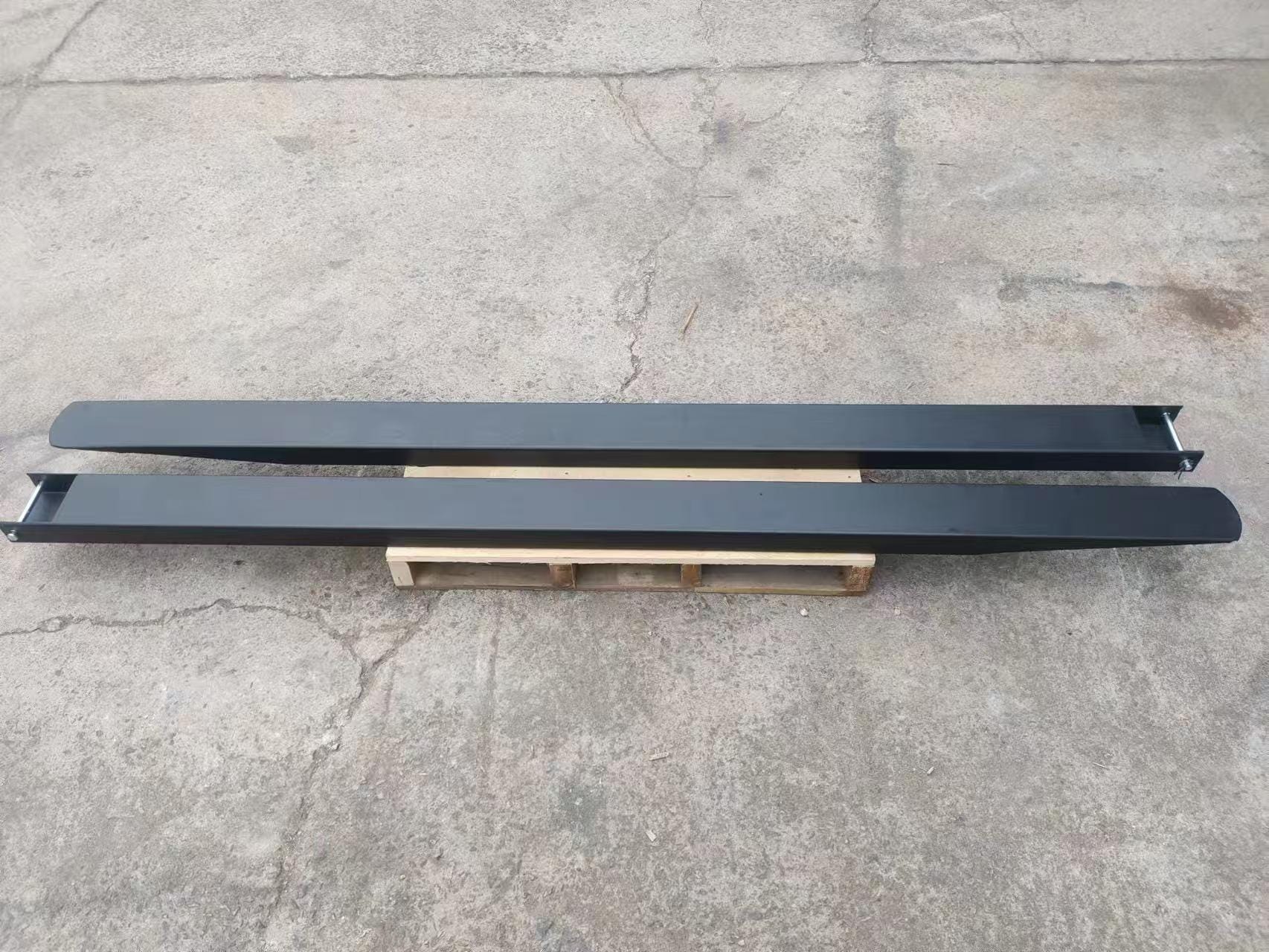
| Extensões forquilha | Manuseio ocasional de cargas aprovadas mais longas | Adiciona comprimento de suporte temporário | Não substitui um garfo resistente corretamente projetado |
| Garfos telescópicos | Alcance controlado em posições profundas de armazenamento ou carregamento | Alcance ajustável | Considerações mais complexas sobre mecanismos e capacidade |
| Posicionador garfo | Carrega com larguras variáveis | Ajuste de espaçamento hidráulico | Não resolve o comprimento ou a seção inadequados do garfo |
| Espalhador contêiner | Cargas projetadas para engajamento superior | Elevação de propósito construído a partir de pontos superiores designados | Não é adequado para carga comum suportada pelo fundo |
| Braçadeira ou berço | Carga que requer suporte lateral ou contato moldado | Melhor controlo das cargas irregulares | Requer pressão e geometria específicas da carga |
| Quadro de levantamento personalizado | Máquinas exclusivas ou carga de projeto | Distribui forças através de pontos de elevação projetados | Procedimento de manuseio mais especializado |
Os garfos de porta são apropriados quando o suporte inferior é o método de elevação correto, mas os garfos padrão não fornecem as dimensões, distribuição de carga ou durabilidade necessárias.
Use a Estrutura de Seleção LOADS
Uma maneira prática de especificar forquilhas de porta é usar a estrutura LOADS original.
L: Definição de carga
Documento:
- Peso máximo
- Dimensões
- Centro de gravidade
- Locais apoio
- Variação de carga
- Embalagem
- Estabilidade
A carga deve ser definida antes que as dimensões do garfo sejam selecionadas.
O: Condições de Operação
Gravar:
- Altura do elevador
- Viagem rota
- Condição do solo
- Exposição
- Frequência de impacto
- Número de ciclos
- Áreas de carga e descarga
- Espaço de manobra disponível
A: Acessório e Encaixe de Transporte
Confirmar:
- Modelo empilhadeira
- Tipo de carro
- Montagem dimensões
- Espaçamento entre garfos
- Sistema bloqueio
- Anexos instalados
- Desobstrução do mastro
- Requisitos de posicionamento de garfos
D: Verificação de projeto
Revisão:
- Comprimento garfo
- Largura
- Espessura
- Perfil de ponta
- Geometria calcanhar
- Material
- Tratamento térmico
- Peso garfo
- Capacidade residual
S: Serviço e Inspeção
Plano:
- Verificações visuais diárias
- Medições programadas
- Limpeza
- Controle de corrosão
- Inspeção montagem
- Verificações de alinhamento de pares
- Relatório de danos
- Critérios de substituição
Todos os cinco elementos devem estar completos antes que os garfos entrem em operação normal.
Conduzir um Ensaio de Manuseio Controlado
Uma revisão técnica deve ser seguida por um ensaio controlado, sempre que possível.
Usar Cargas Representativas
O ensaio deve incluir
- A carga aprovada mais pesada
- A carga mais longa
- O maior centro de carga
- A menor abertura de garfo
- O apoio mais concentrado
- A superfície de operação mais difícil
- Uma carga diária típica
Testar apenas uma carga ideal pode esconder limitações importantes.
Verifique a entrada do garfo
Observe se:
- Ambos os garfos entram uniformemente
- As pontas entram em contato com a estrutura de carga
- As lâminas cabem nos bolsos dos garfos
- O operador pode ver os pontos de entrada
- Os garfos precisam de inclinação excessiva
- Detritos bloqueia a inserção
- A carga se move durante a entrada
Verifique o elevador inicial
Eleve a carga apenas o suficiente para verificar o suporte.
Inspecionar:
- Balanço de carga
- Deflexão garfo
- Carregamento desigual do garfo
- Movimento da embalagem
- Posição do ponto de contato
- Barulho de garfo e carruagem
- Movimento montagem
Verifique a estabilidade da viagem
Viajar a velocidade controlada sobre a rota pretendida.
Observe a carga durante:
- Começando
- Frenagem
- Virando
- Transições superficiais
- Mastro inclinando
- Posicionamento
- Abaixamento
Inspecione após o julgamento
Após o descarregamento, verifique:
- Pontas garfo
- Superfícies lâmina
- Áreas calcanhar
- Ganchos ou pinos
- Fechaduras garfo
- Barras de transporte
- Pontos de suporte de carga
- Embalagem
- Danos na derrapagem ou no quadro
Um ensaio bem-sucedido deve ser repetível e não um único ciclo aceitável.
Inspecione e mantenha bifurcações portuárias
Os garfos pesados requerem inspeção disciplinada porque pequenas alterações podem indicar problemas significativos de carregamento.
Inspeção Visual Diária
Antes de usar, verifique:
- Rachaduras
- Dobrar
- Torção
- Dano na ponta
- Goivas de superfície
- Corrosão
- Marcas de calor
- Montagem solta
- Fechaduras ausentes
- Altura desigual do garfo
- Identificação ilegível
Alinhamento de par de garfos
Os dois garfos devem fornecer uma superfície de suporte nivelada.
Uma diferença na altura da ponta pode indicar
- Um garfo dobrado
- Desgaste desigual do gancho
- Danos no carro
- Montagem incorreta
- Um substituto incomparável
- Torção permanente
Desgaste Lâmina
Meça a espessura da lâmina em locais definidos.
Preste atenção em:
- Desgaste inferior
- Zonas contato
- Áreas afiladas
- Marcas abrasão
- Desbaste localizado
- Goivas
O desgaste deve ser avaliado em relação aos limites aplicáveis e às orientações do fabricante.
Inspeção Calcanhar
Inspecione cuidadosamente o calcanhar para:
- Rachaduras
- Linhas superficiais
- Descoloração térmica
- Moagem
- Soldagem
- Deformação
- Mudanças de ângulo
- Marcas de impacto
O aquecimento ou a soldagem não aprovados podem alterar as propriedades do material.
Inspeção de gancho e pino
Os sistemas do tipo gancho devem ser verificados quanto a desgaste na abertura, assentos deficientes e danos na barra do carro.
Os sistemas de pinos devem ser verificados quanto a:
- Desgaste de pino
- Desgaste ocular
- Condição retentor
- Folga lateral
- Rachaduras ao redor da área de montagem
- Desalinhamento
Controle Corrosão
A corrosão superficial pode ocultar rachaduras ou reduzir a seção ao longo do tempo.
O tratamento de limpeza e proteção deve preservar a inspetibilidade Os revestimentos pesados não devem ocultar danos.
Registros de manutenção
Gravar:
- Identificação garfo
- Data instalação
- Datas de inspeção
- Medições lâmina
- Diferenças na altura da forquilha
- Eventos de impacto
- Reparações
- Condição do transporte
- Carregar alterações
- Decisões de substituição
Os dados de tendências são mais úteis do que notas de inspeção isoladas.
Erros comuns de seleção de garfo de porta
Escolhendo pela capacidade sozinha
Uma declaração de capacidade não confirma comprimento, centro de carga, geometria de suporte, montagem ou compatibilidade.
Duas cargas de peso igual podem criar tensões de garfo muito diferentes.
Selecionando garfos muito longos
O comprimento extra aumenta o peso e pode mover a carga mais para frente.
Use o comprimento mais curto que fornece suporte completo aprovado.
Ignorando o Centro de Carga Real
A classificação original da empilhadeira pode ser baseada em uma carga mais compacta.
Carga industrial longa pode criar um momento de avanço muito maior.
Assumindo que garfos pesados são universais
Os garfos portuários variam em seção, comprimento, montagem, material, ajuste do carro e condições nominais.
A semelhança visual não é prova de intercambialidade.
Ignorando o desgaste do transporte
Um novo garfo instalado em um carro desgastado pode permanecer solto ou carregar de forma desigual.
Inspecione a interface completa.
Usando extensões de garfo como garfos de porta permanentes
As extensões de garfo podem ser úteis para tarefas ocasionais aprovadas, mas não fornecem automaticamente a rigidez, a segurança de montagem ou a distribuição de carga dos garfos de porta projetados especificamente.
Substituindo apenas um garfo
Uma substituição deve ser comparada com o garfo restante para:
- Comprimento
- Seção
- Altura
- Montagem
- Capacidade
- Desgaste
- Perfil de ponta
- Ângulo da haste
Um par significativamente incompatível pode suportar a carga de forma desigual.
Não revisar novas cargas
Um garfo adequado para a carga original pode não permanecer adequado após a mudança das dimensões da carga, dos pontos de suporte ou das alturas de manuseio.
A adequação do garfo deve ser revista sempre que o processo operacional mudar.
Lista de verificação de especificações do garfo da porta
Antes de solicitar uma especificação, prepare os seguintes dados.
Informações sobre empilhadeira
- Fabricante e modelo
- Identificação equipamento
- Capacidade nominal
- Centro de carga avaliado
- Tipo mastro
- Altura máxima do elevador
- Tipo de carro
- Largura do carro
- Montagem dimensões
- Anexos instalados
- Modificações anteriores
Carregar Informações
- Peso máximo
- Largura, profundidade e altura
- Centro de gravidade
- Dimensões do ponto de apoio
- Dimensões do forquilha
- Embalagem
- Variação de carga
- Frequência de manuseio
Informações necessárias sobre garfo
- Comprimento lâmina
- Largura lâmina
- Espessura lâmina
- Perfil de ponta
- Espaçamento entre garfos
- Dimensões da haste
- Dimensões do gancho ou do pino
- Arranjo de travamento
- Requisitos de superfície
- Limitações de peso do garfo
Informações Operacionais
- Superfície de viagem
- Condições de exposição
- Número de ciclos
- Risco de impacto
- Altura do elevador
- Método de armazenamento
- Carregando-plataforma dimensões
- Cronograma de inspeção
Quando a carga ou o arranjo de montagem não for padronizado, a revisão personalizada da especificação do fork da porta deve incluir desenhos técnicos, fotografias de carga, informações sobre o centro de gravidade, medições de carro, altura de elevação e a sequência completa de manuseio.
Conclusão
Os garfos portuários melhoram o manuseio de carga pesada, fornecendo suporte de carga que pode ser combinado com dimensões exigentes, pesos concentrados, centros de carga longos e vagões de empilhadeira especializados.
Seu valor vem da engenharia correta, e não apenas do tamanho.
Um processo de seleção confiável deve:
- Definir a carga completa e o seu centro de gravidade.
- Identifique os pontos exatos de suporte.
- Verificar a capacidade residual da empilhadeira.
- Selecione o comprimento, largura, espessura e conicidade adequados do garfo.
- Combine o sistema de montagem com o carro real.
- Avalie o material, forjamento, tratamento térmico e precisão dimensional.
- Conduzir um teste de manuseio controlado.
- Estabelecer um programa de inspeção e manutenção.
Os melhores garfos de porta não são simplesmente os garfos mais pesados Eles são os garfos que suportam a carga na posição correta, encaixam a máquina com precisão, permanecem dentro da capacidade verificada, toleram o ambiente operacional e podem ser inspecionados durante toda a sua vida útil.
Perguntas frequentes
Para que são utilizados os garfos portuários?
Os garfos portuários são braços de garfo para serviços pesados usados para máquinas industriais, produtos metálicos, grandes patins, carga de projeto, paletes reforçadas e outras cargas unitárias exigentes. Eles são selecionados quando os garfos padrão não fornecem o comprimento, seção, montagem ou suporte de carga necessários.
Os garfos portuários são iguais aos espalhadores de contêineres?
Os garfos de porto do no suportam a carga apropriada de baixo através dos bolsos da forquilha, das derrapagens, dos quadros, ou dos espaços abertos Os espalhadores do recipiente engatam pontos de levantamento designados de cima O sistema correto depende do projeto da carga e de seu método aprovado do levantamento ou do apoio.
Como escolho o comprimento correto do garfo da porta?
Meça a profundidade da carga, os locais do ponto de apoio, a profundidade de inserção necessária, o centro de carga e o espaço de manobra disponível. O garfo deve suportar a carga totalmente sem se projetar desnecessariamente além dele ou mover o centro de gravidade mais para frente do que o necessário.
Os garfos portuários podem caber em alguma empilhadeira pesada?
Os garfos de porta No devem combinar o tipo de carro, as dimensões do gancho ou do pino, o espaçamento do garfo, a folga do mastro, o sistema de travamento e a capacidade residual da empilhadeira Capacidades de elevação semelhantes não garantem que duas empilhadeiras usem arranjos de montagem intercambiáveis.
Com que frequência os garfos portuários devem ser inspecionados?
Conclua uma verificação visual antes da operação e agende inspeções detalhadas de acordo com o ciclo de trabalho, gravidade da carga, exposição ambiental, orientação do fabricante e requisitos aplicáveis. Aplicações de alto ciclo, alto impacto ou corrosivas normalmente requerem monitoramento mais rigoroso.